
Tens of millions of animals are being transported on ships that aren't fit for purpose, report finds
Most of the world's 159 livestock carrier ships were not built for that purpose, and some are as old as 45 years, a new report has found.
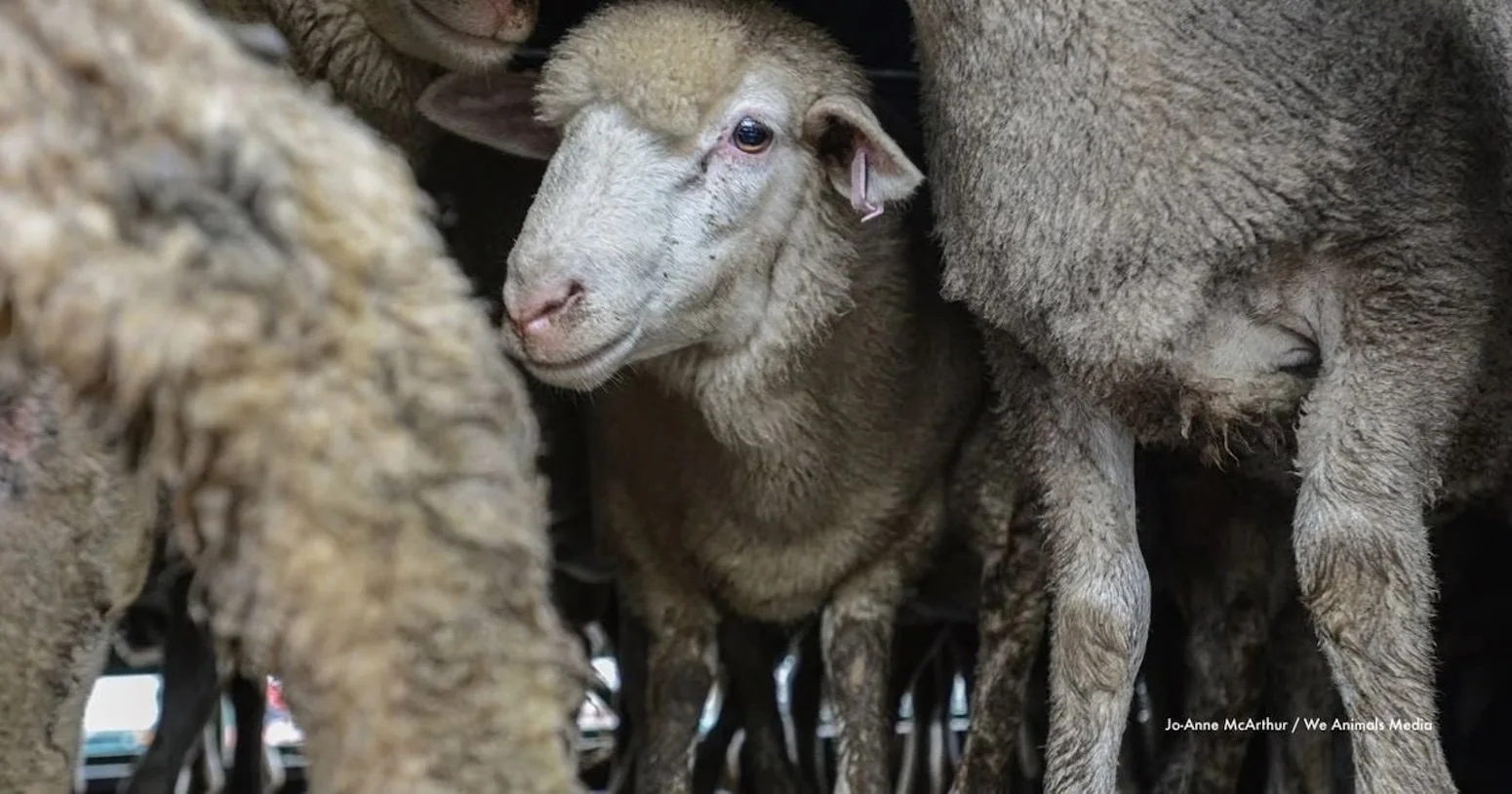
Tens of millions of animals are transported annually on ships that are decades old, poorly equipped, and frequently detained by port authorities, according to a new report by international NGOs Animal Welfare Foundation e.V, Tierschutzbund Zürich, and Robin des Bois.
Of 159 ships registered worldwide to transport animals, 133 were not built for that purpose. Some are as old as 45 years. Despite these risks, the number of ships being converted to carry livestock is increasing: ten vessels were converted in the last two years alone, compared to just three in the previous two years.
In 2024, issues were found at nearly 90 percent of all inspections of livestock-carrying vessels. Around 15 percent of ships were detained - almost four times the average detention rate for all vessel types.
Last year, livestock-carrying vessel Spiridon II, on its way from Uruguay to Türkiye, was blocked at sea due to administrative issues. The ship was carrying nearly 3,000 cows, some of them pregnant. Almost 60 animals died as a result. 140 cows gave birth or miscarried, and the animals were forced to live among decomposing bodies.
“What is happening aboard the Spiridon II is not an accident — it is the result of an intensive animal production system that ignores the basic truth that animals are sentient beings, “ said Ricardo Mora, Campaign Strategist at World Animal Protection. “These cows feel fear, pain, and stress. No animal should spend weeks trapped on a vessel, surrounded by overcrowding, hunger and conditions that deny them even their most fundamental needs.”
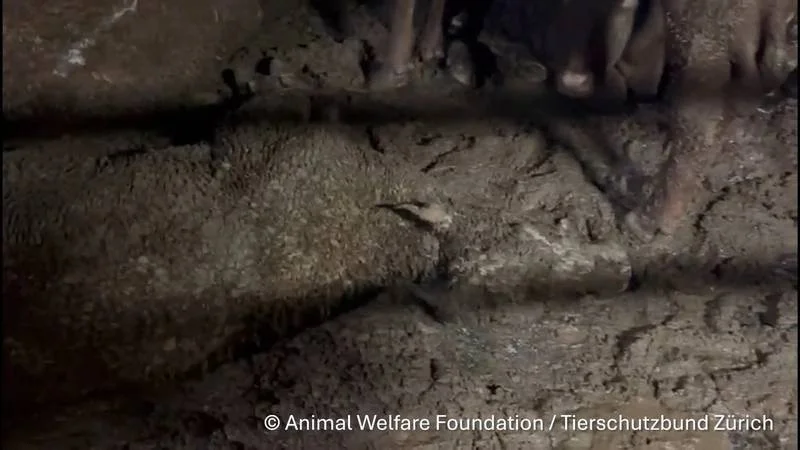
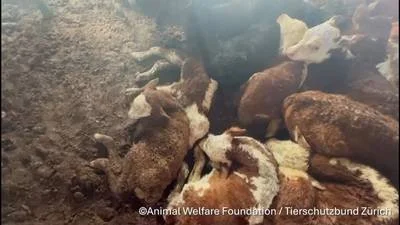
“Spiridon II is not an isolated tragedy but symptomatic of a poorly regulated industry that has relied for years on ageing, substandard vessels while treating sentient animals as nothing more than cargo,” said Maria Boada-Saña, project manager of animal transport by sea at Animal Welfare Foundation e.V.
With old vessels being used as livestock carriers, a fate like that of Spiridon II can await even more animals. A journey aboard a live-transport vessel is often extremely dangerous for the animals - it can cause heatstrokes, exhaustion, dehydration, disease and starvation, sometimes being fatal for many of the animals involved. Far from an anomaly, cases like this are symptomatic of factory farming’s widespread and diverse impact on the billions of animals it uses each year.
“Despite transporting sentient animals, livestock carriers have been the world's most dangerous fleet for six consecutive years. Our report shows that many of these vessels should have been retired long ago,” adds Boada-Saña.
The NGOs are now calling for higher standards for live transport to be implemented urgently, urging the governments of the countries involved to close legal loopholes and ultimately end the live export of animals by ship.
Join Species Unite's 30-Day Plant-Powered Challenge, a free month of recipes and tips to help you reduce demand for factory farmed animals, one meal at a time.
We Have A Favor To Ask…
Species Unite amplifies well-researched solutions to some of the most abusive animal industries operating today.
At this crucial moment, with worldwide momentum for change building, it’s vital we share these animal-free solutions with the world - and we need your help.
We’re a nonprofit, and so to keep sharing these solutions, we’re relying on you - with your support, we can continue our essential work in growing a powerful community of animal advocates this year.

As opposition to octopus farming grows worldwide, Colombia is moving to ban the practice before a single farm is built.