
Polar bears raiding seabird colonies amid melting Arctic sea ice
The climate crisis is forcing bears to turn to seabirds, threatening population numbers.
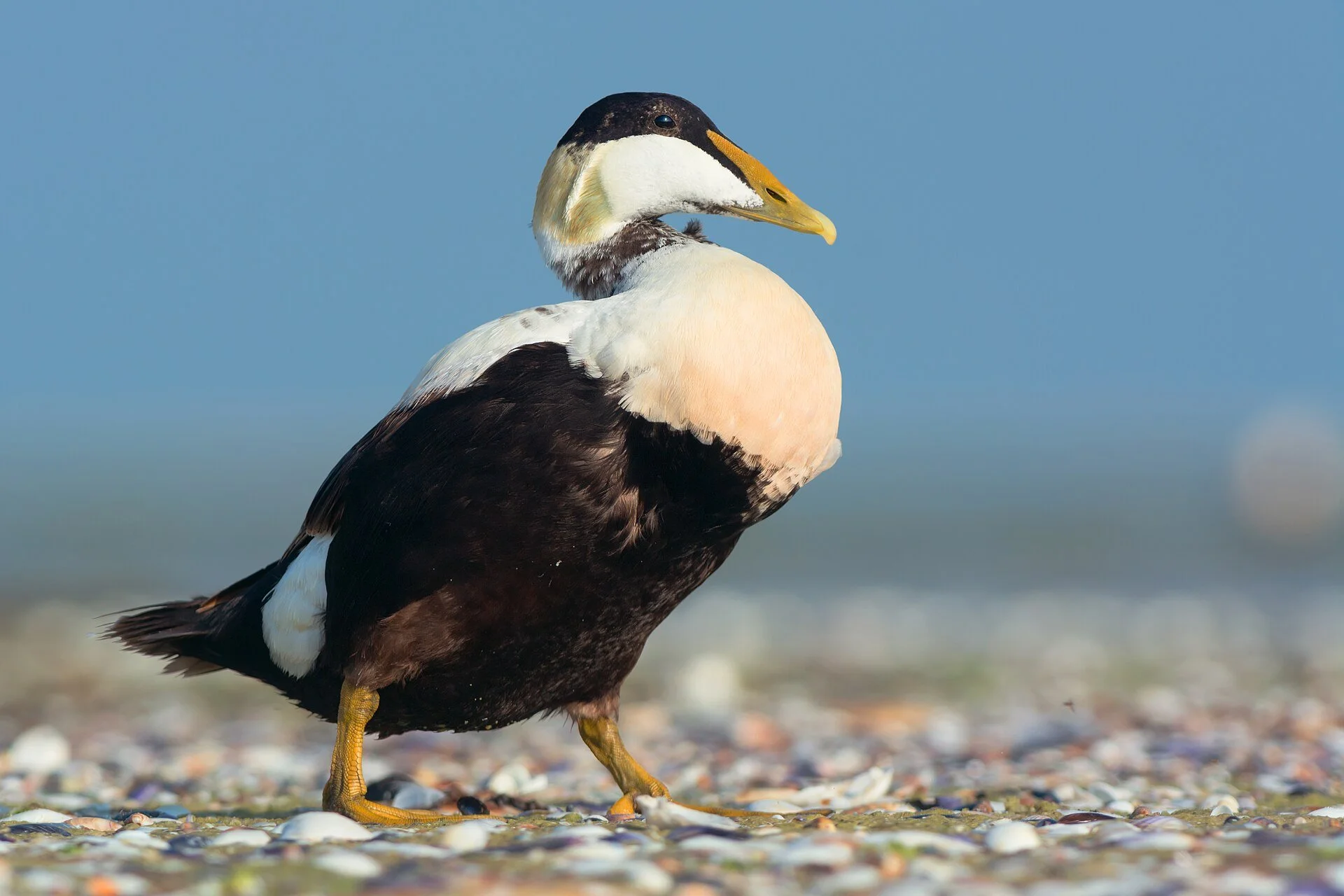
Common eider (Somateria mollissima). Photo: Sergey Ryzhkov/CC BY-SA 4.0
As the Arctic heats up due to the climate crisis, summer sea ice is disappearing, affecting food sources for the area’s wildlife, such as polar bears. As a result, these animals have started turning to seabird colonies.
Normally, polar bears would use sea ice as a platform to hunt seals for food - but the ice is rapidly melting, forcing bears to stay on land, where bird nests can be found and seabird eggs are becoming more likely food sources.
Research by the Wildlife Conservation Society (WCS) and Cooper Island Arctic Research has found large losses of seabird colonies (previously unusual in the area) and connected the bears attacking the colonies directly to the loss of their habitual hunting practices.
In July 2024, a single bear spent almost a full day moving through a common eider colony on Spy Islands in Alaska, devastating nine in ten bird nests. Scientists called this the largest single act of nest destruction by a polar bear ever recorded in the state.
Cooper Island Arctic Research also notes that bear activity in the area has increased significantly after sea ice hit record lows in the early 2002s. The bears have also learned to break through nest protections specifically designed to keep them away.
In the last two years, bear activity has depleted the island’s entire breeding season for black guillemot - a bird species that was already at risk due to climate change prior to the bear attacks. As the ice is melting, their preferred food source, Arctic cod, is harder to come by.
“For decades, these barrier islands served as places where seabirds could nest with relatively little pressure from large land predators,” said Kayla Shively, Conservation Ecologist with WCS’s Arctic Beringia Programme and lead author of the study. “What we’re seeing now is that as polar bears spend more time on shore, those relationships are changing. It’s another reminder that climate change isn’t affecting one species at a time – it is reshaping the connections between species across the Arctic.”
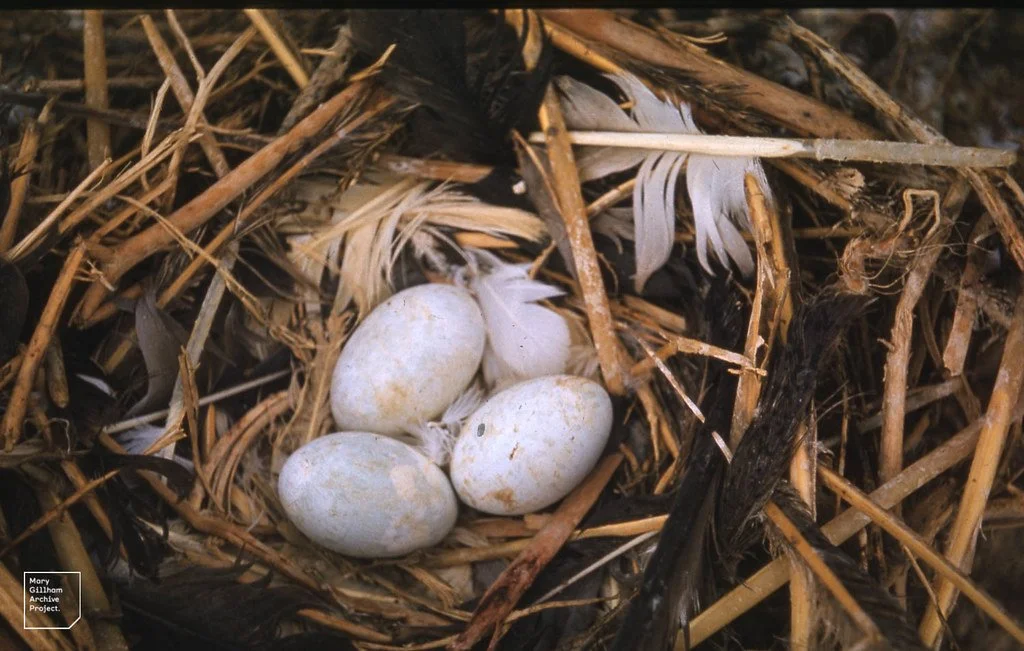
Smaller crowned cormorant eggs. Photo: Dr Mary Gillham Archive Project/CC BY 2.0
Seabird eggs, although an easy and unchallenging food source that can last a long time, are no replacement for seal flesh. The study noticed that when bears consumed large quantities of eggs, digestive problems occurred. This may reduce the bears’ nutritional intake, as well as carry a risk of bird flu viruses.
“When a top predator like the polar bear changes how and where it hunts, it’s telling us something fundamental about the ecosystem,” said Dr. Martin Robards, regional director of WCS’s Arctic Beringia Program and a coauthor of the paper. “These aren’t isolated events. They’re visible signs that one of the world’s most intact ecosystems is being destabilized by the loss of sea ice, with consequences that ripple through wildlife communities in ways we’re only beginning to understand.”
The study argues that Arctic wildlife has a chance to adapt and potentially recover if emissions are cut, habitats are protected, and long-term monitoring is continued.
The animals need a newsroom in their corner
Every week we dig into the animal stories the mainstream news overlooks. Investigations, exposés, legal battles, and victories - none of it happens without your support. A monthly gift of as little as $5 keeps us covering the 98% of animal news the world isn't seeing.

Significant investment and revised regulations across four government agencies are part of an ongoing effort to support innovative scientific research ahead of “outdated” testing on animals.