
The World Bank is investing billions in factory farming, new report finds
New report finds international development banks pouring billions into large-scale industrial animal farming, despite their own commitments to sustainable food systems and climate action.
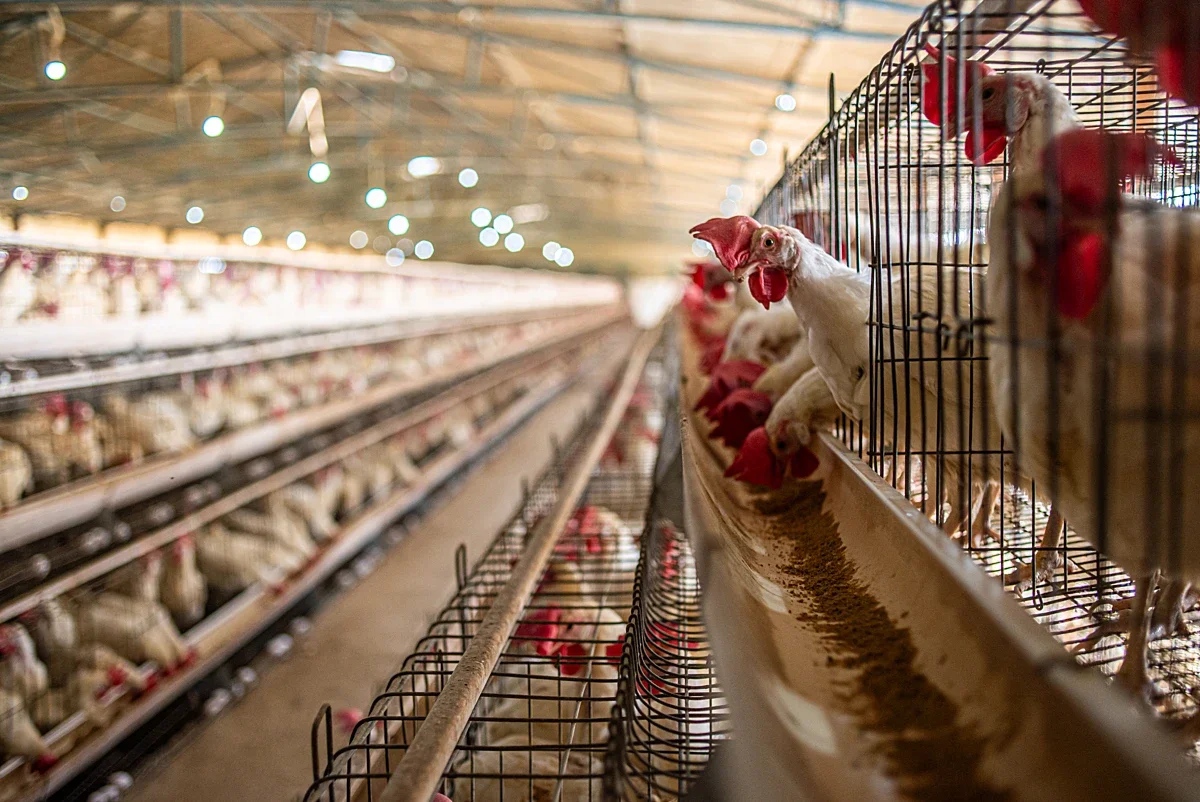
Credit: Shatabdi Chakrabarti / Open Wing Alliance / We Animals
The World Bank and 15 other global development banks have collectively funnelled approximately $13 billion into industrial animal farming between 2020 and 2024, despite their own stated commitments to sustainable food systems and climate action, according to a new policy brief.
In contrast, the same 16 development banks directed approximately $9 billion to smaller, more diversified animal farms over the same period. A further $7 billion directed to animal agriculture was uncategorizable due to limited information.
The report, published by the International Accountability Project and the Critical Research on Industrial Livestock Systems Network, found a "growing preference among major development finance institutions to support large-scale, commercially oriented animal agriculture operations," a direction the authors say is in direct conflict with the banks' own goals on climate, biodiversity, and poverty reduction.
Mehroosh Tak, associate professor of economics at the SOAS university of London and co-author of the report, has said that “we’ve known there’s a trend” towards supporting industrial farming, but the report is the first time that trend has been confirmed.
Based on its findings, Tak says that development banks need to pay attention to the information proving that “intensive and industrial agriculture is bad for our community.”
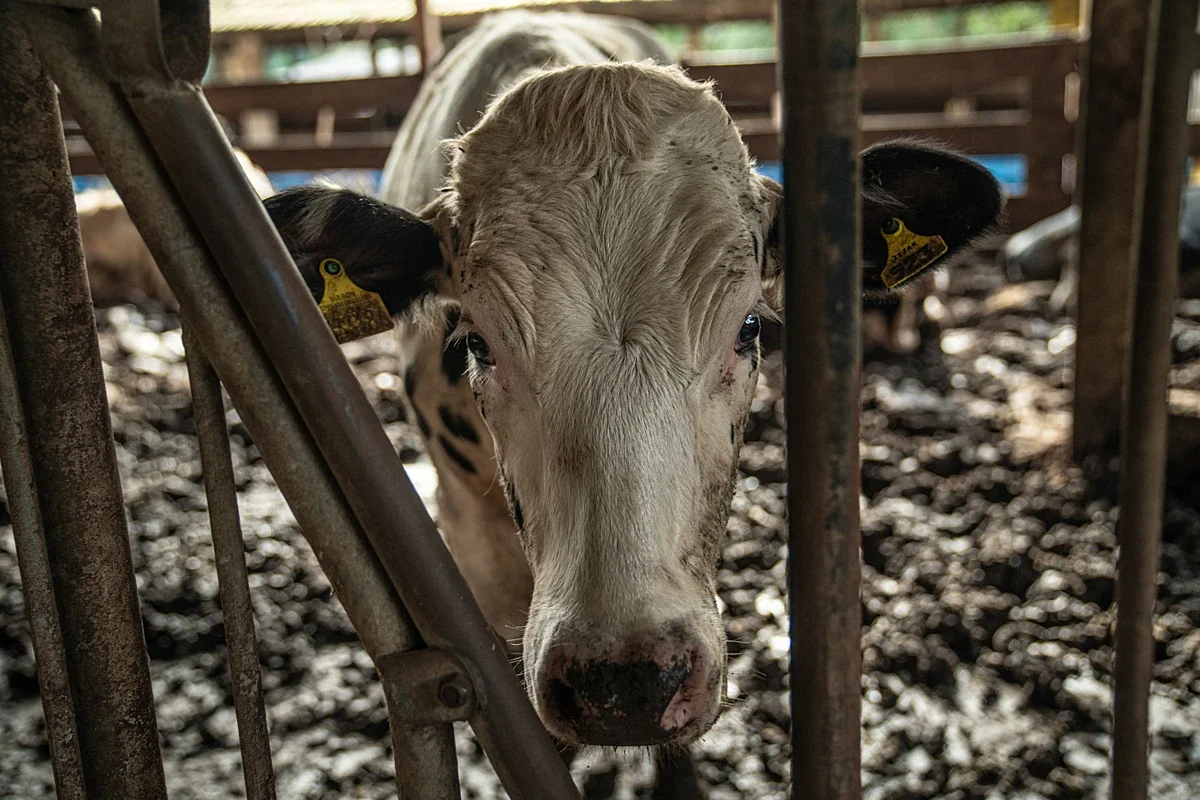
Credit: Vincenzo Ricci / World Animal Protection / We Animals
Industrial animal farming is one of the leading contributors to the climate crisis. The production of meat, eggs, and dairy is responsible for at least 16.5 percent of the world's greenhouse gas emissions, with cattle alone accounting for around 32 percent of global methane emissions, a gas 28 times more potent than carbon dioxide over a 100-year period.
The industry is also a major driver of deforestation, with cattle ranching responsible for 80 percent of Amazon deforestation, and a leading cause of biodiversity loss as vast areas of natural habitat are cleared to expand farming operations.
More than 70 billion land animals are raised and killed for food every year in conditions of extreme confinement, at constant risk of disease, and unable to express natural behaviors. Many are subjected to painful procedures, such as castration, tail docking, branding, and ear notching, most without pain relief.
The industry's heavy reliance on antibiotics is also creating a serious public health threat, driving the rise of antibiotic-resistant bacteria that could render common medications ineffective.
International campaigns have called on the World Bank to stop its funding of factory farms, including protests in dozens of countries. Protestors called for the development bank to end its financing of intensive animal agriculture, align their investments with their own climate goals, and support small-scale agro-ecology projects.
“Factory farming isn’t just a farming issue,” said Claudia Escorza,Latin America Regional Coordinator for the Stop Financing Factory Farming Campaign at Friends of the Earth, an organization that held and participated in the protests. “It’s a climate issue, a public health issue, and a barrier to achieving global development goals.”
Recent analysis has also shown that between 2020 and 2025, the World Bank Group's private sector arm, the International Finance Corporation, approved 38 industrial livestock projects worth around $2 billion.
The animals need a newsroom in their corner
Every week we dig into the animal stories the mainstream news overlooks. Investigations, exposés, legal battles, and victories - none of it happens without your support. A monthly gift of as little as $5 keeps us covering the 98% of animal news the world isn't seeing.
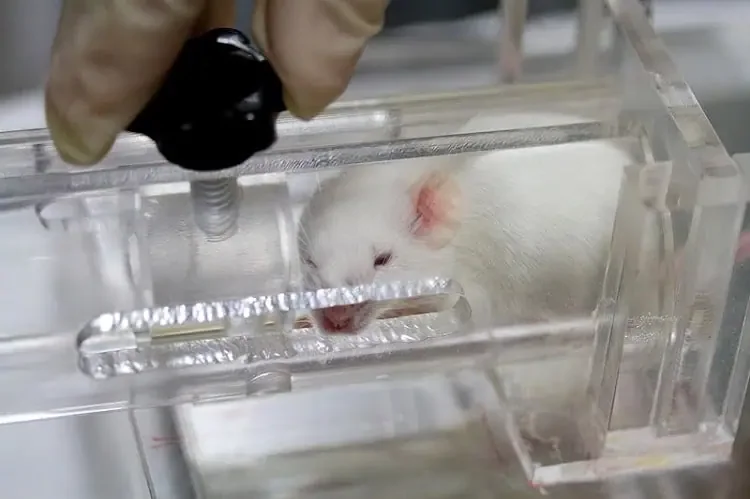

Significant investment and revised regulations across four government agencies are part of an ongoing effort to support innovative scientific research ahead of “outdated” testing on animals.