
Pesticide damage to wildlife on the rise, study finds
Toxicity from farm-related chemicals is increasing around the world with insects suffering the steepest increase in harm.
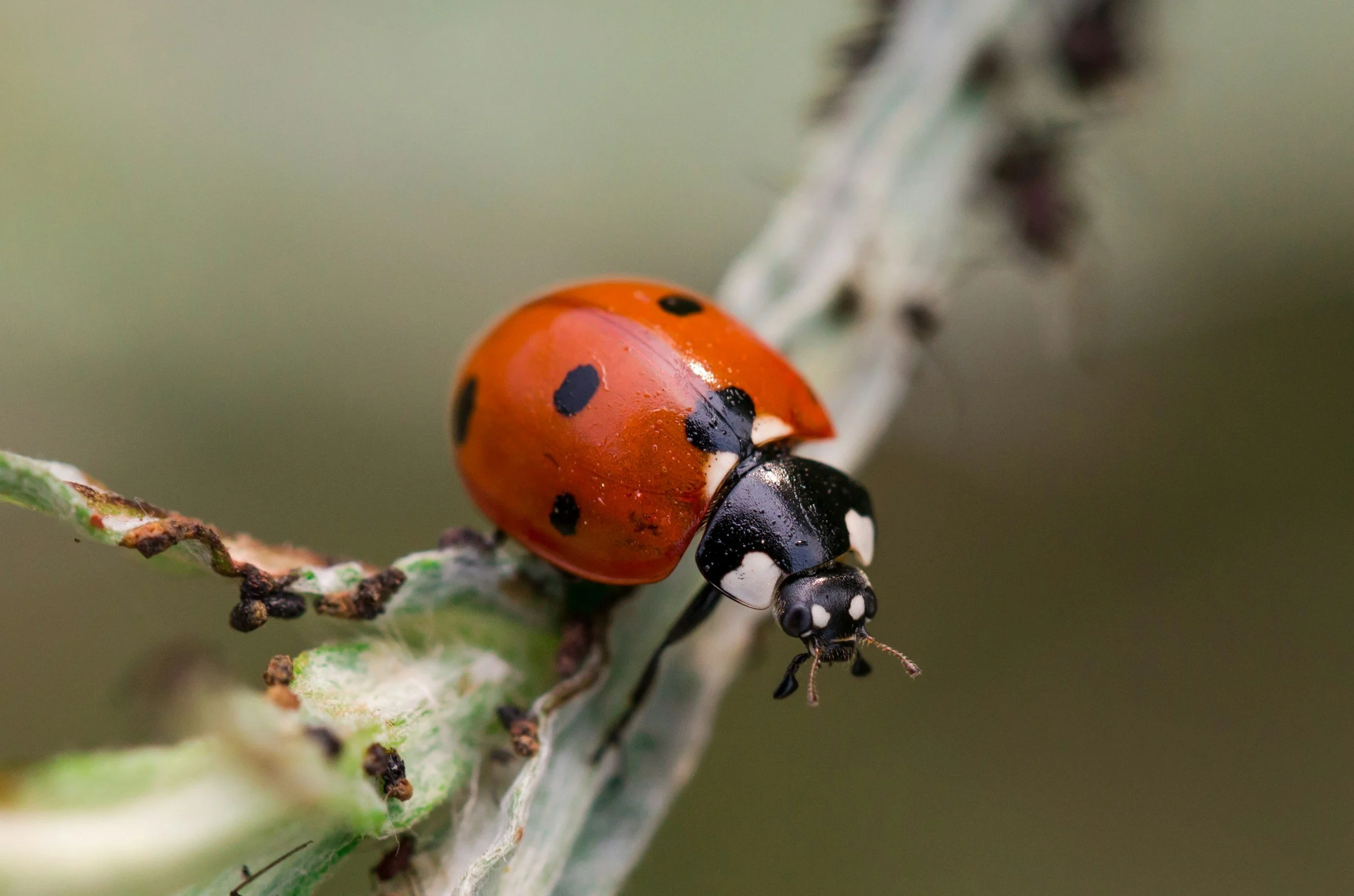
Toxic, environmentally harmful chemicals from pesticides used in farming have had an increased impact on most species between 2013 and 2019, according to a new study.
Insects, fish, pollinators and certain land-based plants are among the species groups that suffer the worst damage from pesticides connected to farming practices. The only groups with a falling damage rate were aquatic plants and land invertebrates.
The study looked into 65 countries which represented nearly 80 percent of land dedicated to farming on Earth. The results showed that total applied toxicity fell in Europe due to a 2013 phase-out of neuro-active insecticides called neonicotinoids. Toxicity also decreased in China thanks to a zero-growth-pesticide policy which came into effect in 2015.
On the flip side, pesticide toxicity increased in the US, Brazil, India, Russia, and large parts of Africa. Chile was found to be the only country on track to meet the UN's targets for halving risks connected to pesticides by 2030.
“It should be a stark warning that applied toxicities are still increasing in many regions, particularly for species groups that serve vital ecological functions,” Jakob Wolfram, ecotoxicologist at RPTU University Kaiserslautern-Landau and lead author of the study, told The Guardian.
Farm-related pesticides do widespread damage to wildlife and ecosystems: aside from direct poisoning, these harsh substances also play a role in degrading natural habitats, hindering wild animals' abilities to reproduce and locate food sources.
Insects, pollinators, birds, frogs, earthworms and other animals are affected by soil structure changes, contamination of food sources, and habitat loss. Herbicides can also have a detrimental effect on plants that provide food sources for wild animals.
Furthermore, different substances used together can provide a toxic “cocktail effect” which layers damage upon damage. This requires further study – but the information currently available indicates worrying results.
Lastly, excessive pesticide use has been linked to cancer, endocrine disruption, neurotoxicity and other diseases in wildlife.
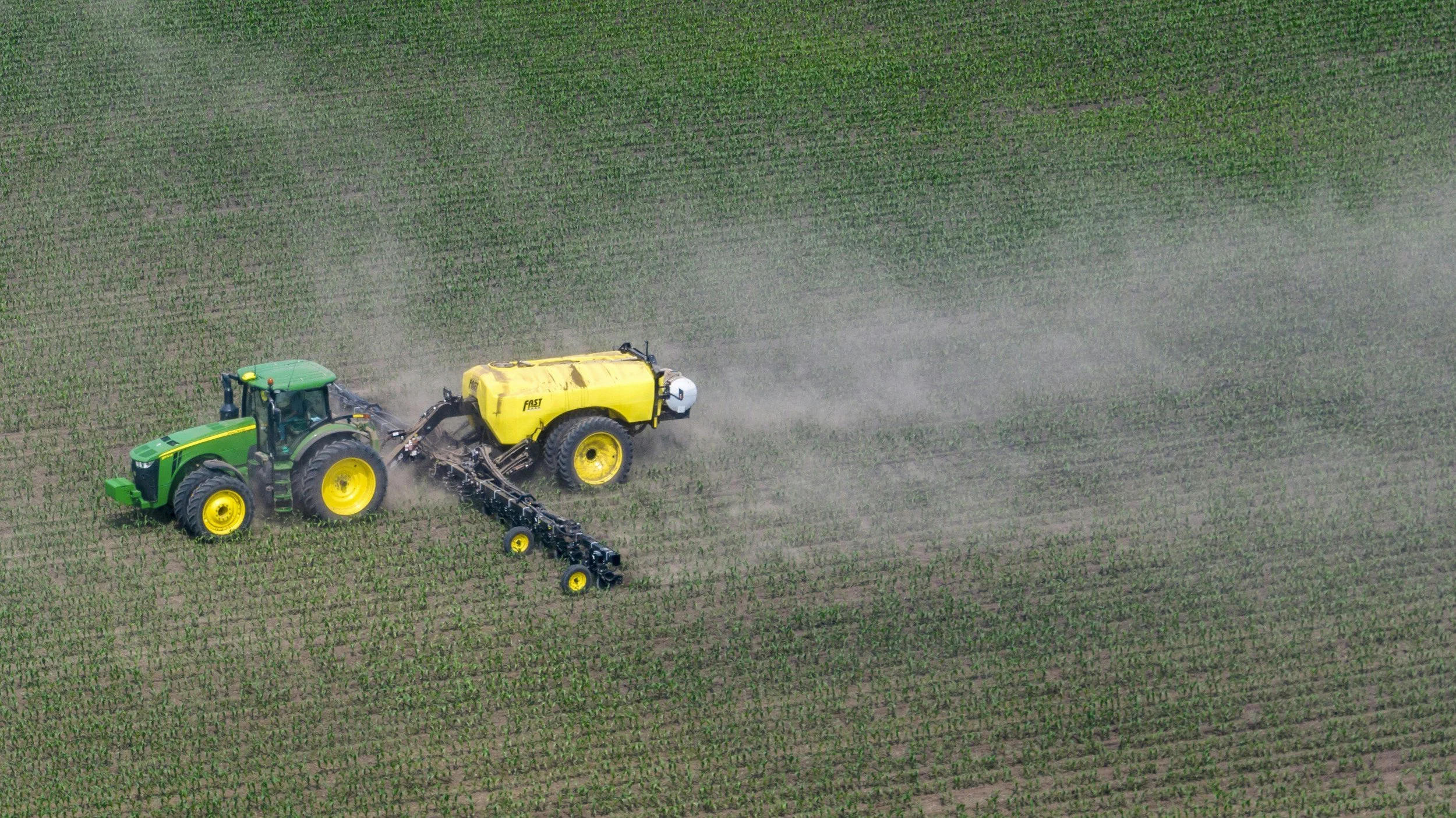
“This is a key study that highlights the urgent need for substantial measures at a global level – such as agricultural diversification, less intensive soil management, greater conversion to organic farming, and the switch to less toxic pesticides – if the United Nations’ goal of safeguarding biodiversity is to be achieved,” says Mónica Martínez Haro, a wildlife toxicologist at Spain’s National Research Council. She did not work on the study, but found it “highly relevant and high-quality”. However, she also added that the results may be partly underestimated due to certain data limits.
Indeed, the years between 2013 and 2019 were chosen due to data availability, but there is reason to believe that since 2019, this damage may have increased. Today, farmers globally use around 4 million tonnes of pesticides per year, which is almost double the amount used 30 years ago.
Alternatives to harmful pesticides include biosolarization (a system that uses solar heating and microbial activity to manipulate soil conditions), crop rotation, the use of organic oils that act as deterrents, and physical barriers such as netting. Biopesticides deriving from plants, minerals and bacteria are another option that helps protect wildlife.
We Have A Favor To Ask…
Species Unite amplifies well-researched solutions to some of the most abusive animal industries operating today.
At this crucial moment, with worldwide momentum for change building, it’s vital we share these animal-free solutions with the world - and we need your help.
We’re a nonprofit, and so to keep sharing these solutions, we’re relying on you - with your support, we can continue our essential work in growing a powerful community of animal advocates this year.
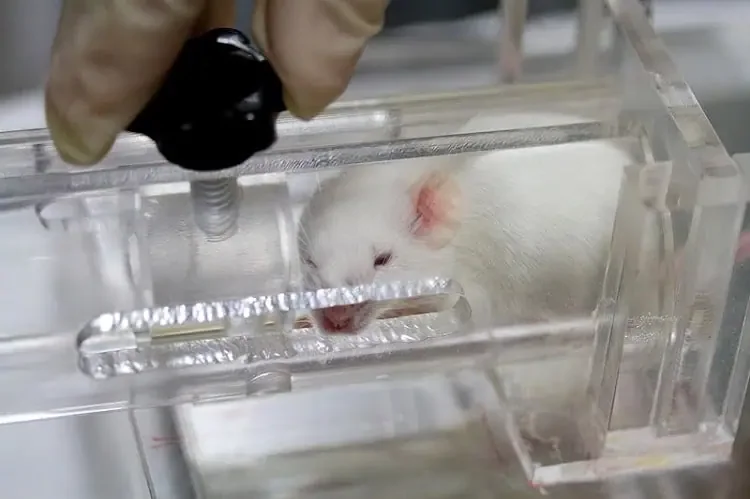

Significant investment and revised regulations across four government agencies are part of an ongoing effort to support innovative scientific research ahead of “outdated” testing on animals.