
The bear bile industry is now banned in South Korea
The landmark legislation ends the country’s controversial bear bile industry, which has seen thousands of bears exploited and slaughtered for their gallbladder bile since 1981.
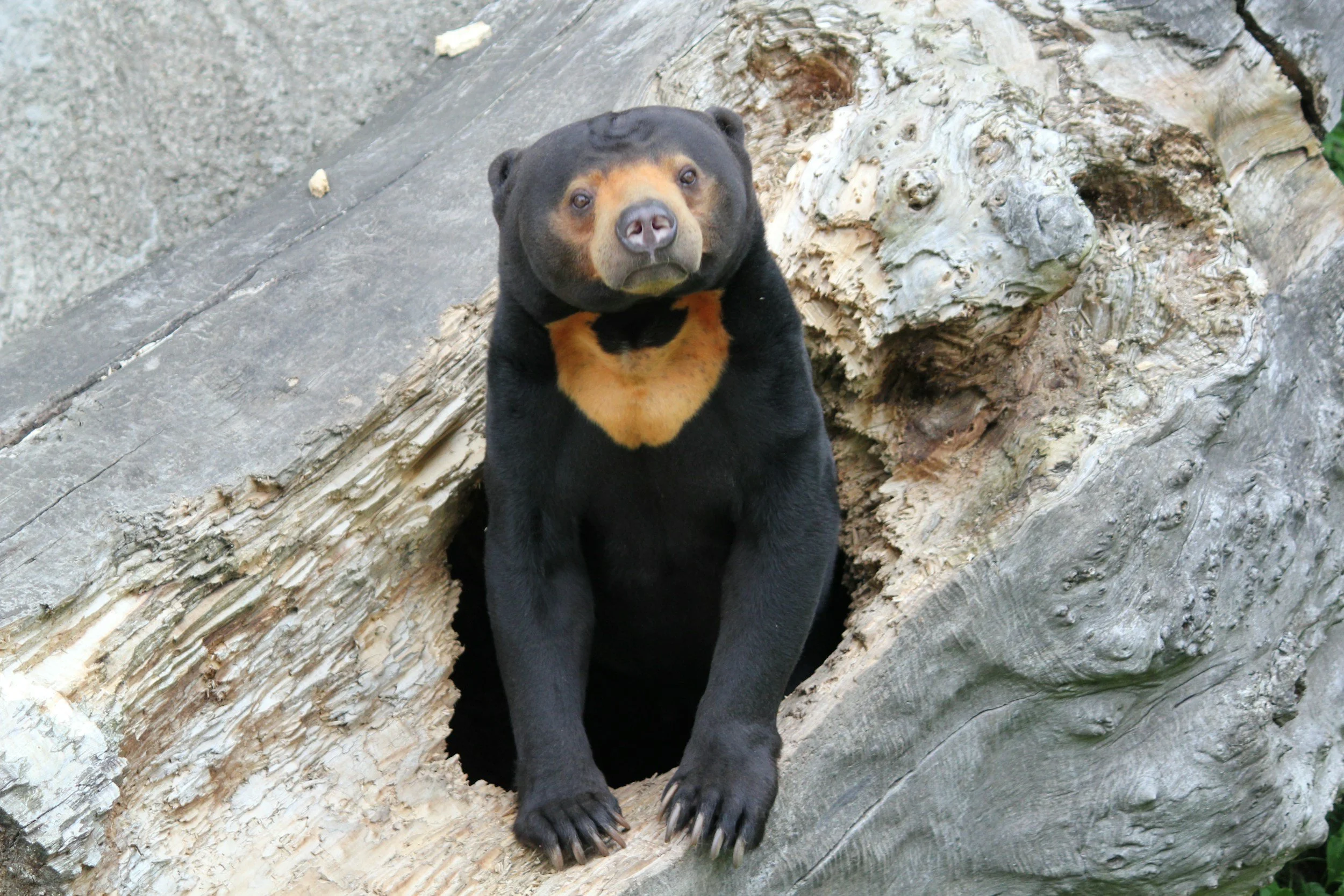
In South Korea, it is now illegal to exploit captive bears for their bile.
The government pledged to end the bear bile industry in 2022, with the legislation effective from the beginning of 2026. Anyone breaking the law can expect a prison sentence of up to five years.
This is a significant milestone, particularly given that South Korea was among the first countries to encourage the importing, breeding, and exporting of bears for their bile, in 1981.
Within the next four years, just under 500 bears were imported. By the mid-2000s, almost 1,400 bears had been bred in captivity in farms across South Korea.
However, the industry has been in steady decline over the past two decades. This is due in large part to an increased public awareness of what campaigners describe as “one of the worst forms of animal abuse in the world today.”
The bears are typically kept in cages so small that they cannot turn around or stand up. The extraction of bile from live bears is painful and invasive, carried out via syringes or catheters inserted into their gallbladder, usually while the animal is either sedated or restrained.
Extracting bile from live bears was illegal in South Korea, but the legal age at which bears could be slaughtered for their bile was reduced from 24 years to 10 years, in 2005.
At one South Korean farm, investigators saw bears being fed a diet of dog food and fried noodles. Some of the bears were missing limbs and ears, while others repeatedly rubbed their heads against the metal bars of their tiny cage, indicating extreme boredom and/or distress.
“In such conditions, it was difficult to imagine how any animal could remain physically or psychologically intact,” said Sangkyung Lee, campaign manager at Humane World for Animals Korea.
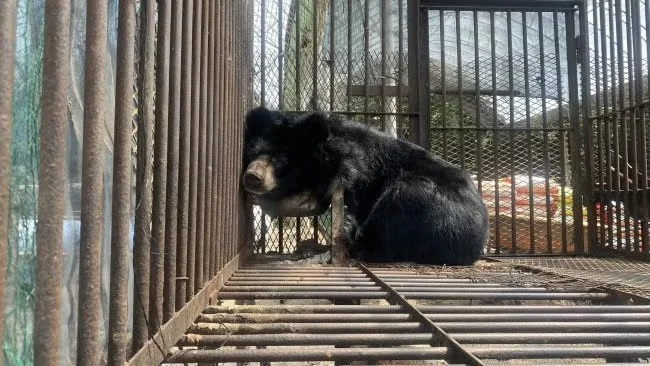
Bears on bile farms suffer tremendously from procedures that remove bile from their gallbladders. Credit: Humane World for Animals
Farmed bears may suffer infections, starvation, dehydration, and disease, and this is another reason why an increasing number of consumers preferred to ingest the bile of wild bears. The proliferation of cheaper and humane alternatives, tested and approved by experts in the traditional medicine sector, has also disrupted the market for bear bile.
Notably, ursodiol – medically proven to treat gallstones and certain liver diseases – is one of the acids found in bear bile that is now produced synthetically by major pharmaceutical companies.
Furthermore, in a report published in 2009, the Korea Association of Herbology strongly recommended choosing alternative medicines to bear bile.
China, Hong Kong, and Japan are among the countries that continue to drive demand for bear bile, and the industry remains legal in China and Myanmar, with around 23,000 bears currently held across Asia.
Just under 200 bears are now held in eleven South Korean facilities. This relatively low number is partly due to the government’s sterilisation programme of almost 1,000 farmed bears, carried out between 2014 and 2016, to ensure that no new bears entered the bile industry.
Last year, twenty-one farmed bears were relocated to a government-run sanctuary in southern Jelloa province, but campaigners fear there are not enough sanctuaries in the country to house the remaining bears.
In 2021, the government approved the budget for the construction of two facilities that would house a combined total of around one hundred bears. The larger facility was to open this April but has been delayed due to flooding, and so will not open until next year.
Activists are now looking into the possibility of sending some of the bears to overseas zoos; while far from ideal, this would be a marked improvement on the animals’ current plight.
We Have A Favor To Ask…
Species Unite amplifies well-researched solutions to some of the most abusive animal industries operating today.
At this crucial moment, with worldwide momentum for change building, it’s vital we share these animal-free solutions with the world - and we need your help.
We’re a nonprofit, and so to keep sharing these solutions, we’re relying on you - with your support, we can continue our essential work in growing a powerful community of animal advocates this year.
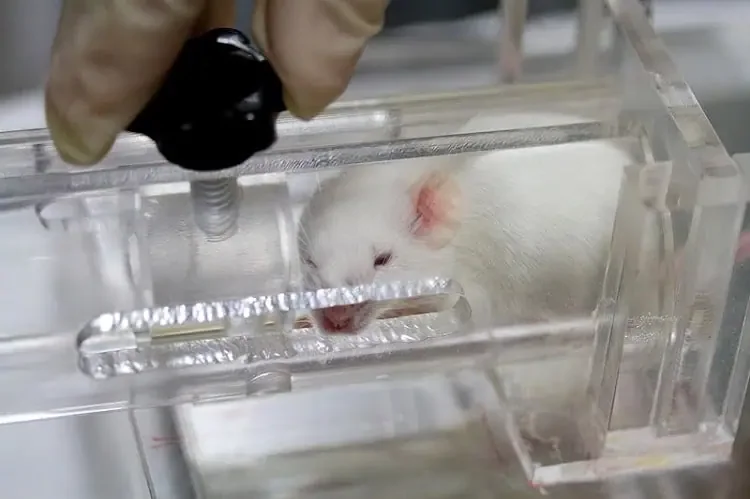
Significant investment and revised regulations across four government agencies are part of an ongoing effort to support innovative scientific research ahead of “outdated” testing on animals.