
Baboons experience jealousy just like humans, study reveals
Scientists found that young baboons become jealous of mother-sibling grooming sessions, with patterns of behavior “strikingly echoing observations on children”.
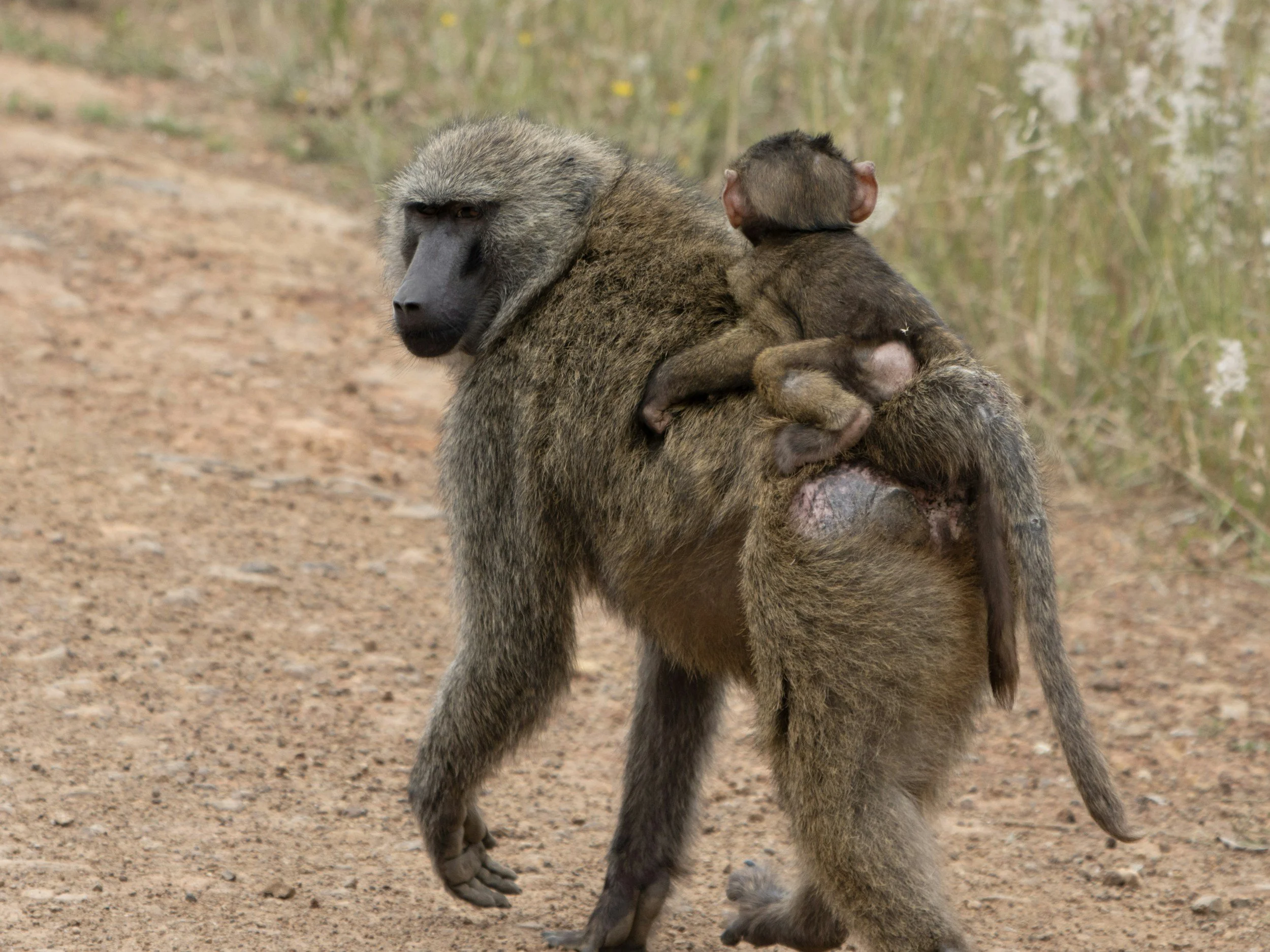
Young baboons experience jealousy, and behave in ways very similar to children, a new study has revealed.
Scientists observed that offspring were more likely to try to get their mother’s attention when she was engaged in a grooming session with a sibling, rather than when she was socially available.
This disruptive behavior ranged from solicitation and close proximity, to biting, slapping, and tantrums.
“Sibling interference in chacma baboons strikingly mirrors patterns of sibling jealousy reported in humans”, according to the paper, published in Proceedings B, the Royal Society’s biological research journal.
Scientists from British, Finnish, French, and Nairobian institutions spent five months tracking two troops of wild chacma baboons at Tsaobis Nature Park, Nairobi. There were sixteen families living in the troops, with a total of 49 young siblings aged 0-9 years.
According to the study, offspring were twice as likely to target younger and same-sex siblings. In addition, offspring were more likely to interfere against siblings who received a disproportionate amount of grooming from the mother. This suggests that they perceive, and respond to, maternal favouritism. Finally, the older the child gets, the less likely they are to disrupt a bonding session.
“While we can’t ask them how they feel, we know that emotions provoke physiological changes, behavioral changes, some cognitive changes – and this you can measure,” said Dr Axelle Delaunay, one of the authors of the study.
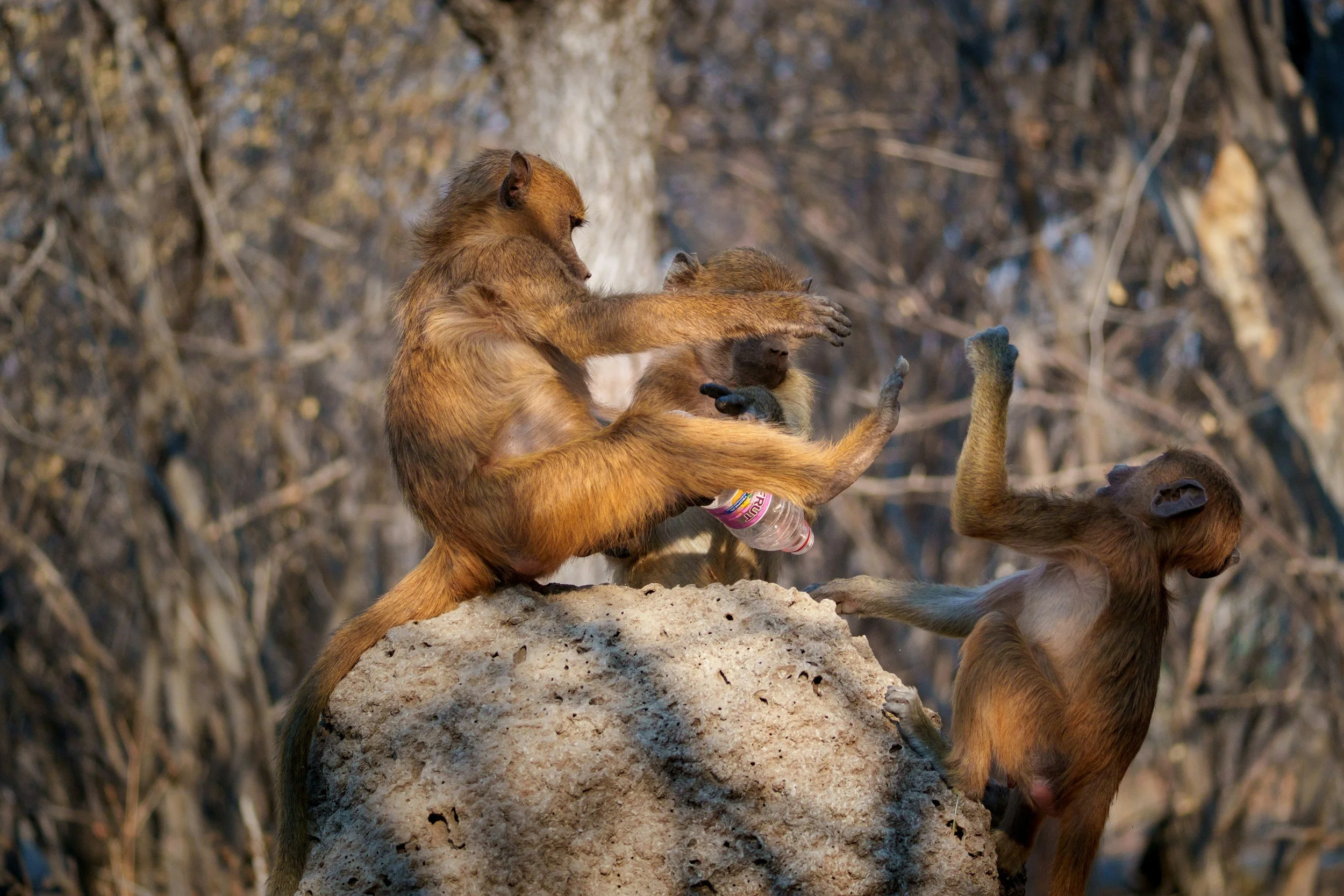
Jealousy seemed the only logical explanation; alternative hypotheses that the disruptive behavior was performed with the intention of receiving ‘care-seeking’ from the mother or ‘sibling-seeking’ were rejected.
“The discovery of demonstrable jealousy among Chacma baboons provides some of the strongest evidence yet that primates can feel complex emotions,” said Annie Roth, a science and wildlife journalist.
Baboons were chosen for the study because, like humans, the offspring have a long developmental period and form strong, long-lasting bonds with their mother.
Furthermore, while males leave after puberty, females stay in the groups for life, giving birth every two years. With so many infants growing up side-by-side, these highly social animals are perfect for monitoring sibling rivalries.
While this is not the first time that scientists have studied jealousy in non-human primates, previous efforts have tended to focus on sexual jealousy, using ‘jealousy-inducing’ scenarios on caged animals.
We Have A Favor To Ask…
Species Unite amplifies well-researched solutions to some of the most abusive animal industries operating today.
At this crucial moment, with worldwide momentum for change building, it’s vital we share these animal-free solutions with the world - and we need your help.
We’re a nonprofit, and so to keep sharing these solutions, we’re relying on you - with your support, we can continue our essential work in growing a powerful community of animal advocates this year.
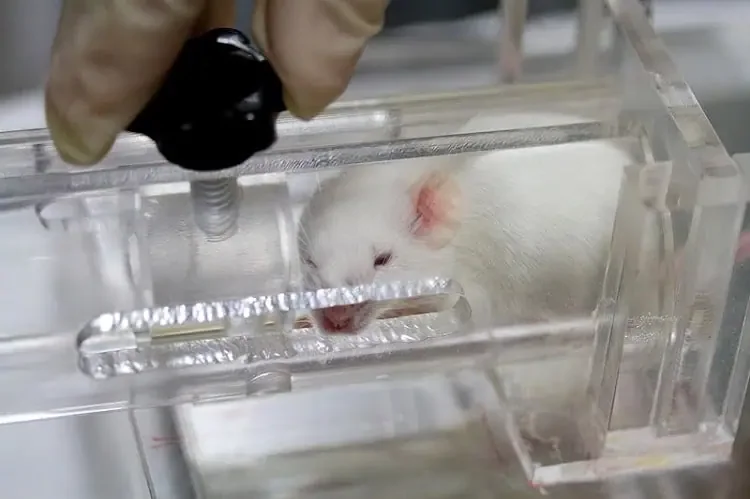
Significant investment and revised regulations across four government agencies are part of an ongoing effort to support innovative scientific research ahead of “outdated” testing on animals.