
New York court clears way for NYC foie gras ban to take effect
Credit: We Animals
An ongoing foie gras feud swung in favor of a ban March 12, when five appeals court judges unanimously ruled that New York City has the authority to keep fatty liver out of its restaurants.
The decision, seven years in the making, clears the way for Local Law 202 to finally take effect, dealing a significant blow to the two upstate producers who have fought the legislation at every turn.
If implemented, nearly 1,000 restaurants would be required to remove foie gras from their menus or face fines of up to $2,000.
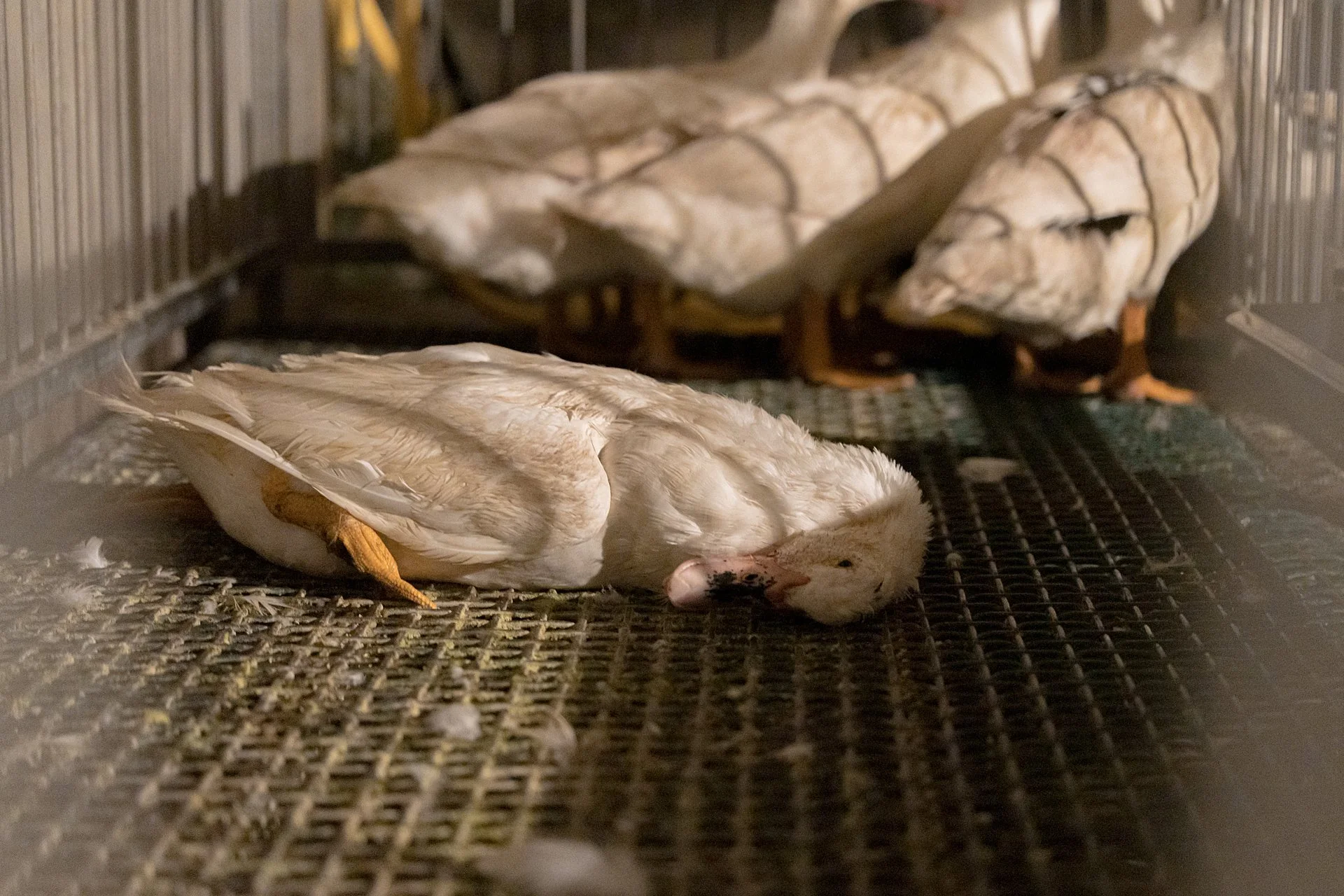
Foie gras is the fatty liver of a duck or goose, produced by force-feeding birds via 10 to 12-inch tubes. Corn and fat is pumped down each bird’s esophagus three times daily for several weeks until the birds’ livers expand up to nearly 10 times normal size. Although geese naturally overeat to prepare for migration, commercial gavage is carried out rapidly by hand on thousands of juvenile birds (a gosling fed every two to three seconds), increasing the chance of injury to bills and esophagi. After two to four weeks, the birds are slaughtered.
Free-range ducks and geese typically recognize and move toward people who feed them. Foie gras birds do the opposite — they remember and actively avoid the person tasked with force-feeding them. Even birds that are gasping and panting attempt to flee.
"I can think of nothing more commonsense than ending the egregious practice of selling a luxury food item made from the gruesome abuse of animals," said Carlina Rivera, former New York City Council member and sponsor of the original 2019 foie gras bill.
Credit: We Animals
Rivera’s bill was backed by a coalition of 50 animal welfare groups and passed New York City Council 42 to 6, becoming Local Law 202. But the foie gras ban was never implemented due to intervening lawsuits by La Belle Farms and North America’s largest foie gras producer, Hudson Valley Farms.
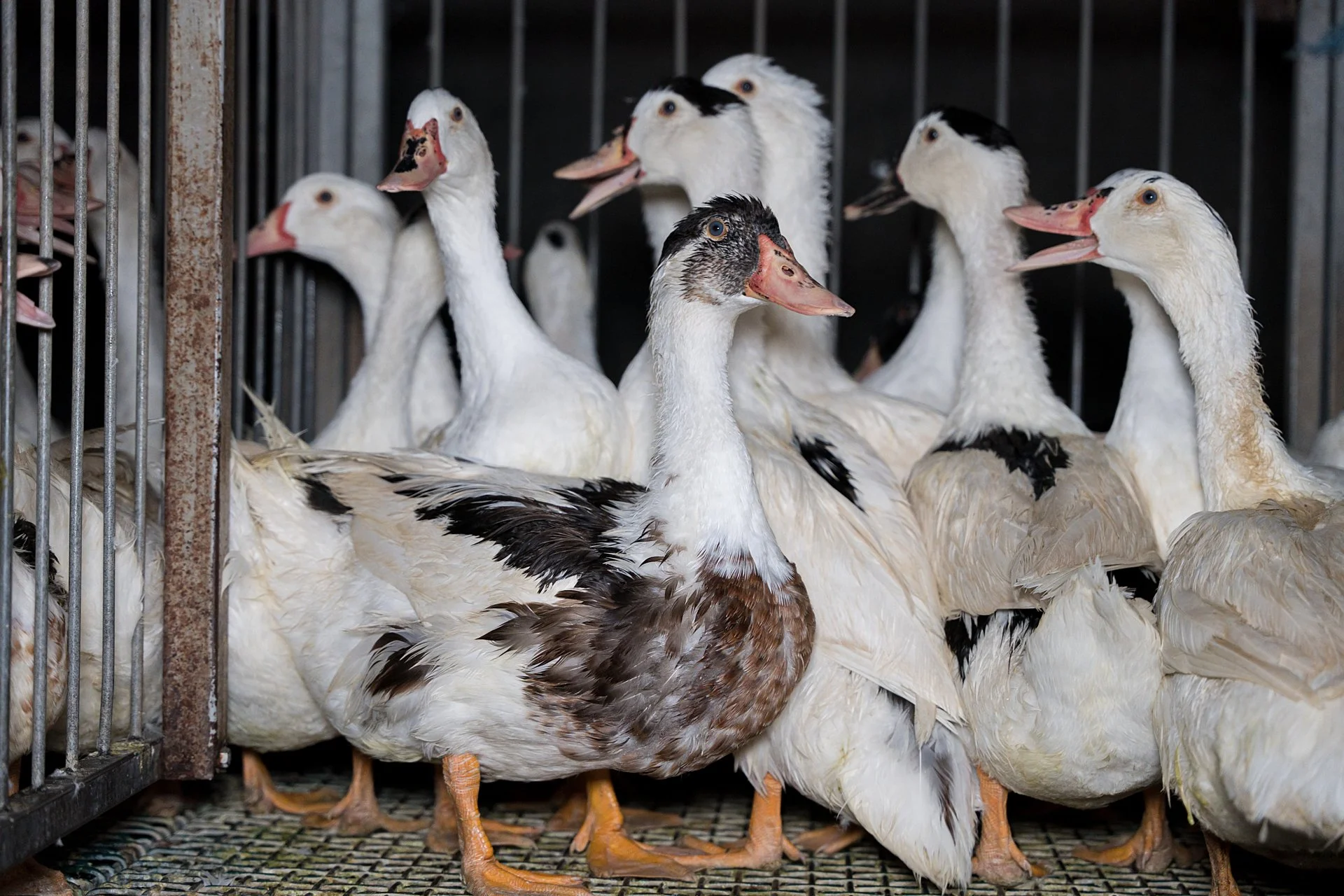
Situated in Ferndale, New York, Hudson Valley Farms owns approximately 200 acres and raises primarily Mulard ducks. Around 15,000 birds die during the weeks of gavage, with another 312,000 slaughtered annually. While the legal battle played out in appeals court, the company expanded its operations, built a 10,000 square foot facility, and hired an additional 100 workers.
Both La Belle Farms and Hudson Valley Farms have vowed to appeal the ruling. Producers claim a city-wide ban would result in a 30% drop in business. Hudson Valley has previous form as a hardened litigator - it sued California through multiple rounds of litigation over its own foie gras ban, including appeals that reached the Supreme Court.
Public opinion, however, appears firmly against them. A January 2026 Colorado University survey of 5,665 Americans across 10 states found that the presence of foie gras on a menu reduced respondents' likelihood of visiting a restaurant by approximately 12%. The same poll found that 81% of Americans had never ordered foie gras at a restaurant, 92% had never purchased it from a store, and 89% support state bans on force-feeding. A 2019 Mason-Dixon poll showed that 81% of New Yorkers favored a ban.
"By banning foie gras, New York City joins sister cities like Pittsburgh, Pennsylvania and Brookline, Massachusetts, the state of California, and countries including Germany, Italy, Norway, Poland, Turkey, Israel, and India," said Allie Taylor of Voters For Animal Rights.
Attorney Bryan Pease and New York activists remain hopeful the ban will prevail in a third and final round of litigation. The ruling also has implications beyond New York. Advocates in Denver and progressive politicians in Portland are pursuing their own bans, and a New York victory could strengthen their hand considerably.
Choosing a plant-based lifestyle is one of the most impactful choices you can make for animals, the environment, and your own well-being. Take Species Unite’s 30-Day Plant-Powered Challenge and become part of a movement that's changing the world for the better.
We Have A Favor To Ask…
Species Unite amplifies well-researched solutions to some of the most abusive animal industries operating today.
At this crucial moment, with worldwide momentum for change building, it’s vital we share these animal-free solutions with the world - and we need your help.
We’re a nonprofit, and so to keep sharing these solutions, we’re relying on you - with your support, we can continue our essential work in growing a powerful community of animal advocates this year.
As opposition to octopus farming grows worldwide, Colombia is moving to ban the practice before a single farm is built.