
Another US state bans cultivated meat - while the UK prepares to welcome it on store shelves
South Dakota becomes the eighth state to introduce a ban - but lab-grown meat could be on sale in the UK in 2027.
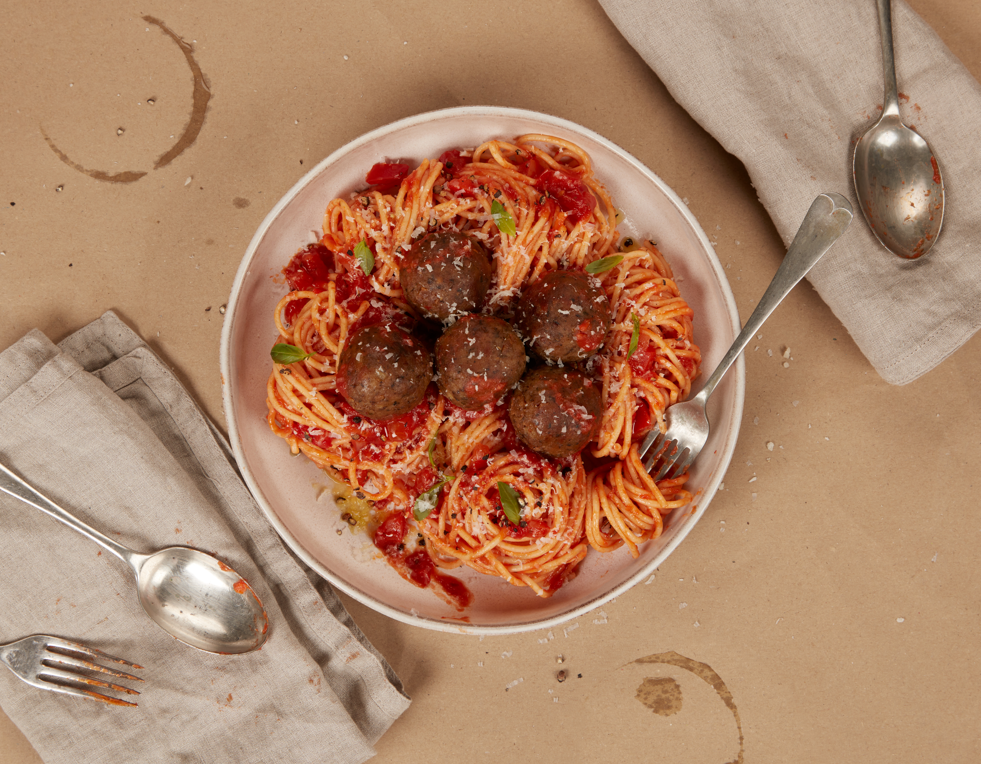
Credit: Ivy Farm Technologies
South Dakota has added its name to the list of US states that have banned cultivated meat.
Governor Larry Rhoden has signed a bill that puts a five-year moratorium on the sale, manufacture, and distribution of these products. Coming into effect on 1st July this year, the moratorium will last until 31 July 2031.
The decision comes a month after Rhoden vetoed a proposal from the House of Representatives that would have imposed a permanent ban on cultured meat products.
Temporary and permanent bans on cultivated meat products are now in place in Republican-led states such as Texas, Indiana, Florida, Mississippi, Montana, Montana, and Nebraska.
Outside the US, Italy has also introduced a national ban on cell-cultivated meat to protect traditional farming. It is the only country to have nationwide legislation outlawing the sale of cultured proteins.
Meanwhile, the United Kingdom could see the launch of cell-cultured meat in supermarkets as soon as 2027. The Food Standards Agency is preparing to approve two cultured products that could reach the public by early next year.
Proteins from Ivy Farm Technologies, Aleph Farms, Gourmey, and Vital Meat are currently under review for approval. The products would follow Meatly's cultivated dog food, which is already available in the UK.
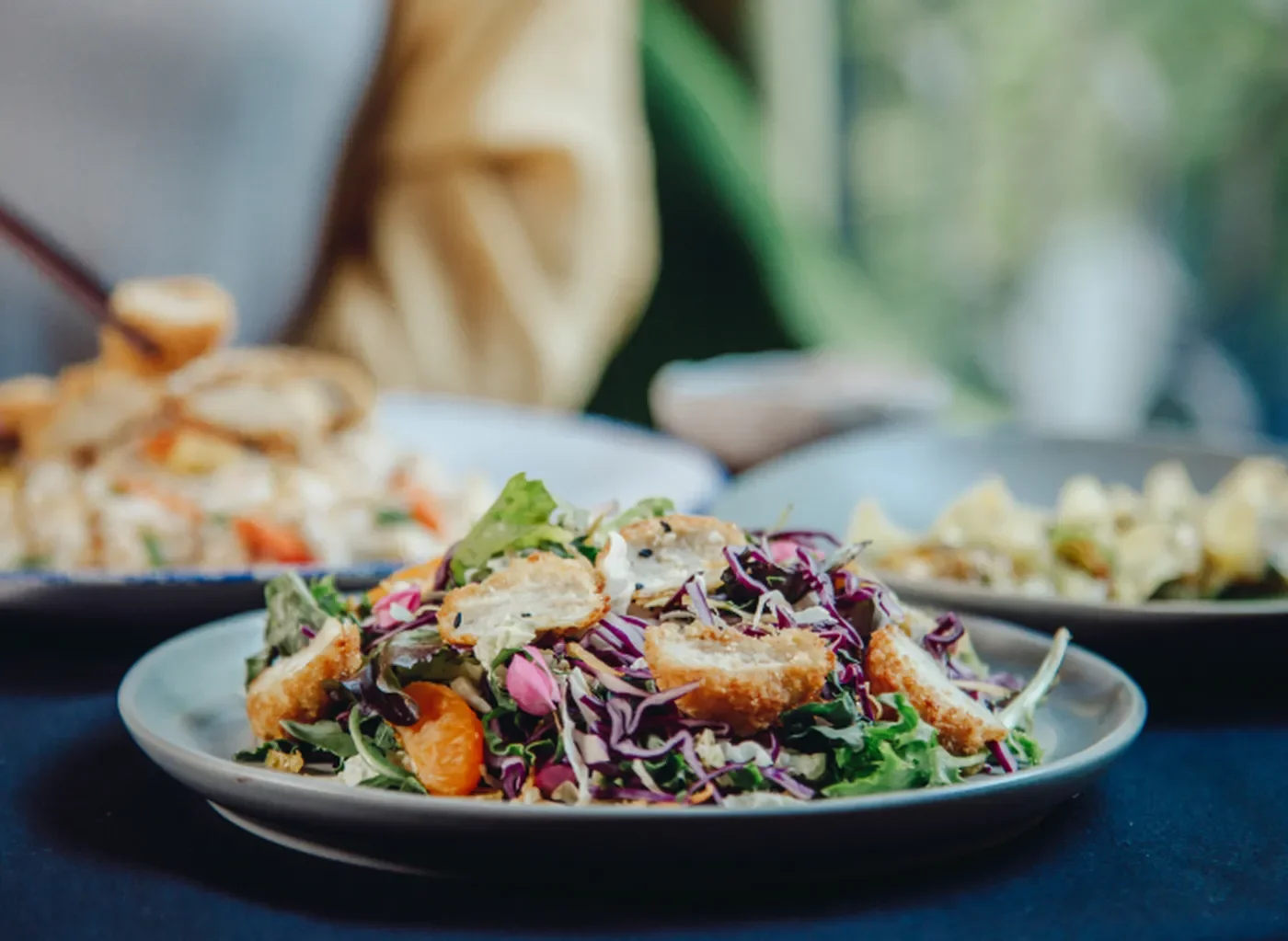
Credit: Good Meat
A recent thematic report on food innovation in the UK, published by the FSA alongside Food Standards Scotland, found that the climate crisis, alongside price fluctuations and import decisions, would impact the country's acceptance of these new products as they could be made in controlled, climate-safe environments.
“The food system is always evolving, and as a regulator, we need to keep pace with that and keep pace with the industry so that we can help ensure that new products are safe,” said Thomas Vincent, deputy director of innovation at the FSA.
The production of cell-cultured meat involves growing animal cells in a controlled environment such as a bioreactor. Cells are taken from an animal using a biopsy and placed into a vessel alongside a substance called a growth medium, which contains nutrients that allow the cells to grow. The resulting product comes with the flavour of traditional meat - without factory farming, the environmental impact of animal agriculture, or the disease risks involved in conventional meat production. The cramped confinement of factory farms and hygienic conditions of slaughterhouses raise concerns that can be solved by cultured meat.
“You have a live animal slaughtered on the floor. If you look at the Salmonella, E. coli, faecal contamination that’s part of animal agriculture, it looks much better from a cultivated meat perspective than it does from a conventional meat perspective,” says Josh Tetrick, CEO of lab-grown meat company GOOD Meat.
Nutrition-wise, cultivated meat products could come with the benefits of animal meat - but their nutritional value could also be enhanced and personalized for an improved profile that carries even more nutrients.
While it’s not for retail sale just yet, cultivated chicken for humans has been showcased in the US at tasting events (see what Species Unite founder Elizabeth Novogratz thought here).
We Have A Favor To Ask…
Species Unite amplifies well-researched solutions to some of the most abusive animal industries operating today.
At this crucial moment, with worldwide momentum for change building, it’s vital we share these animal-free solutions with the world - and we need your help.
We’re a nonprofit, and so to keep sharing these solutions, we’re relying on you - with your support, we can continue our essential work in growing a powerful community of animal advocates this year.



The designer says there is “no wool on the runway this season,” as her Paris Fashion Week collection takes on industrial fishing and the oceans.