
New investigation into Florida elephant park raises doubts about animal welfare
Weeping Elephant Project has investigated concerns brought forward by employees at Busch Gardens Tampa Bay park.
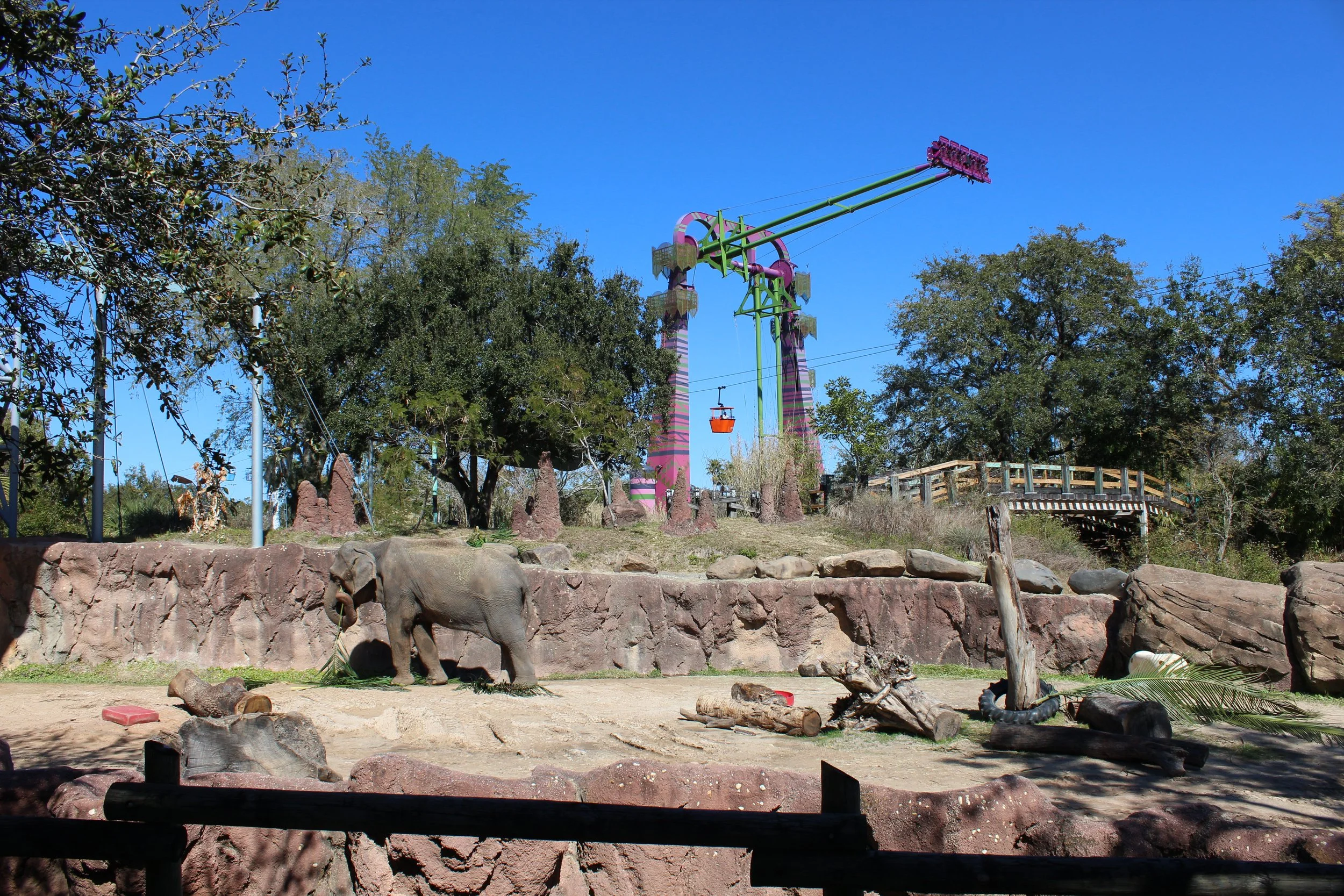
Credit: Weeping Elephant Project
A new investigation by Weeping Elephant Project reports that former employees at Busch Gardens Tampa Bay park in Tampa, Florida, have raised concerns about the welfare of elephants and other animals at the park.
This month, 54-year-old Asian elephant Carina was euthanized after what the park described as a sudden decline in health. One of the anonymous sources who spoke to WEP alleged that Carina had already experienced several elephant-down emergencies. The source questioned the response to these emergencies and whether adequate action had been taken following previous incidents with elephants at the park.
According to WEP’s open letter to the park that can be signed by members of the public, Busch Gardens attributes Carina’s 54 years of life to good health and, by extension, good living conditions. However elephants in the wild can live well into their late seventies, with lifespans sometimes cut short by captivity.
“In the wild, Asian elephants can live well into their seventies, and former keepers tie deaths like hers to an elephant program stretched too thin, understaffed, and, by their account, no longer meeting the AZA's own standards of experience level,” states the open letter. “Whether the park's conditions played a part is exactly what an independent review would determine.”
WEP also notes that employees cite the death of Rosie, another 54-year-old elephant, as a reason to investigate the animals’ living conditions.
The open letter states that elephants in the park are held in enclosures surrounded by rollercoasters and fireworks, which creates a stressful atmosphere. This isn’t limited to elephants: WEP also states that employees have noted some of the other animal species present at the park exhibiting stress responses during firework shows.
According to WEP’s investigation, employees also claim that Busch Gardens has a culture of resistance to accountability. A former employee, who worked at the facility for seven years, describes an environment of secrecy, where employees became discouraged from sharing information about animal deaths, speaking with veterinarians, or contacting former staff.
The employee stated that one former member of the elephant team was asked to stop logging behavioral changes seen during firework shows in the park’s system, according to the investigation, and that necropsy reports were concealed from the staff.
According to WEP, the employees first brought these concerns to the park’s management, but failing an adequate response, they approached the USDA and AZA (the Association of Zoos and Aquariums, which accredits facilities for standards including animal welfare).
According to WEP, no investigative action has been taken during the past two years and despite the complaints, the park remains accredited by the AZA. Some former staff members have called for greater transparency on the evaluation process of complaints against accredited facilities.
WEP are calling on members of the public to sign their open letter, A Theme Park Is No Place for Elephants: Busch Gardens Tampa Bay.
Editor's note: This story reports on an investigation conducted by the Weeping Elephant Project. WEP provided Species Unite with supporting materials, including accounts from former Busch Gardens Tampa Bay employees and anonymous sources. Species Unite has attributed factual assertions and allegations to their original sources throughout. Busch Gardens Tampa Bay did not independently provide information supporting or refuting these allegations.
We Have A Favor To Ask…
Species Unite amplifies well-researched solutions to some of the most abusive animal industries operating today.
At this crucial moment, with worldwide momentum for change building, it’s vital we share these animal-free solutions with the world - and we need your help.
We’re a nonprofit, and so to keep sharing these solutions, we’re relying on you - with your support, we can continue our essential work in growing a powerful community of animal advocates this year.
Some developers suggest that adopting cultivated meat could also improve animal welfare by significantly reducing the number of farmed animals slaughtered.