
Habitat protection stripped from Endangered Species Act, opening wildlife homes to drilling and mining
Conservation groups filed legal challenges within hours after the Trump administration finalized a sweeping change to the Endangered Species Act.

The Trump administration has finalized a new rule that strips habitat protection from the Endangered Species Act (ESA), opening up the homes of America's most vulnerable species to drilling, mining, farming, and real estate development.
The Fish & Wildlife Service (FWS) and National Marine Fisheries Service (NMFS) have enacted a rule redefining "harm" to say it would be illegal only to deliberately kill, harass, wound or capture a bird, mammal, fish or plant listed as endangered or threatened — but not to disturb the environments they need to survive. The administration proposed the rule a year ago, despite a long-standing interpretation of the law saying that "harm" includes interfering with the environments where the species live.
Wildlife advocates responded the same day, filing legal challenges in federal court within hours of the rule's publication in the Federal Register on July 14.
“For the first time ever, a presidential administration now claims that species protected by the Endangered Species Act shouldn’t be safe from habitat modification that destroys where they live, raise their young, or search for food,” Earthjustice attorney Kristen Boyles said in a statement.
The proposal by FWS and NMFS elicited about 358,000 public comments, many in opposition. The services declined requests to extend the 30-day public comment period or conduct a public hearing, saying they weren't required by law.
In 1995 the US Supreme Court upheld the definition of "harm" to include habitat interference, but it did so under the Chevron doctrine, a legal principle that said courts cannot substitute their judgment for that of an agency regarding interpretations of ambiguous statutes. But the administration noted that Chevron deference was overturned two years ago in the Loper case, a Supreme Court ruling that said courts may now use the "single best reading" of a statute rather than deferring to agency interpretation.
The Loper decision did not overturn previous decisions, however. But the administration determined that while the previous definition of “harm” was a possible interpretation, it didn't reflect the single best meaning, since destroying habitat isn't specifically mentioned in the statute.
“Habitat loss is the primary cause of higher extinction rates,” according to the United States Geological Survey, which is housed in the same Department of the Interior as FWS.
Environmental groups wasted no time challenging the decision in federal court, filing suits the day after the July 14 Federal Register notice of the change. Nine national and local conservation organizations, including the Center for Biological Diversity (CBD) and Earthjustice, sued in Seattle. That court serves the area where dwell salmon, under threat because dams block their passages; and the marbled murrelet, a forest bird endangered because its trees get logged.
Plaintiffs allege the government “fail(ed) to engage in consultation (with their own experts) regarding the impacts of the Rescission on imperiled species and their critical habitat—an essential step that the ESA mandates to ensure that federal agencies avoid actions that are likely to jeopardize listed species or impair the habitat they need for survival and recovery.”
The Western Environmental Law Center also immediately sued in San Francisco on behalf of four local environmental groups and a fishing guide who stated “without good habitat, we won’t have salmon, and I won’t have customers.”
The Southern Environmental Law Center also announced an intention to sue. Defenders of Wildlife did too but first asked the federal agencies to reconsider. It noted, for instance that “the Vermont Fish & Wildlife Department explained in its comment on the proposed rule (that) ESA-listed bat species rely on caves for survival during winter months, and these caves could be destroyed during the part of the year when bats are not using them.”
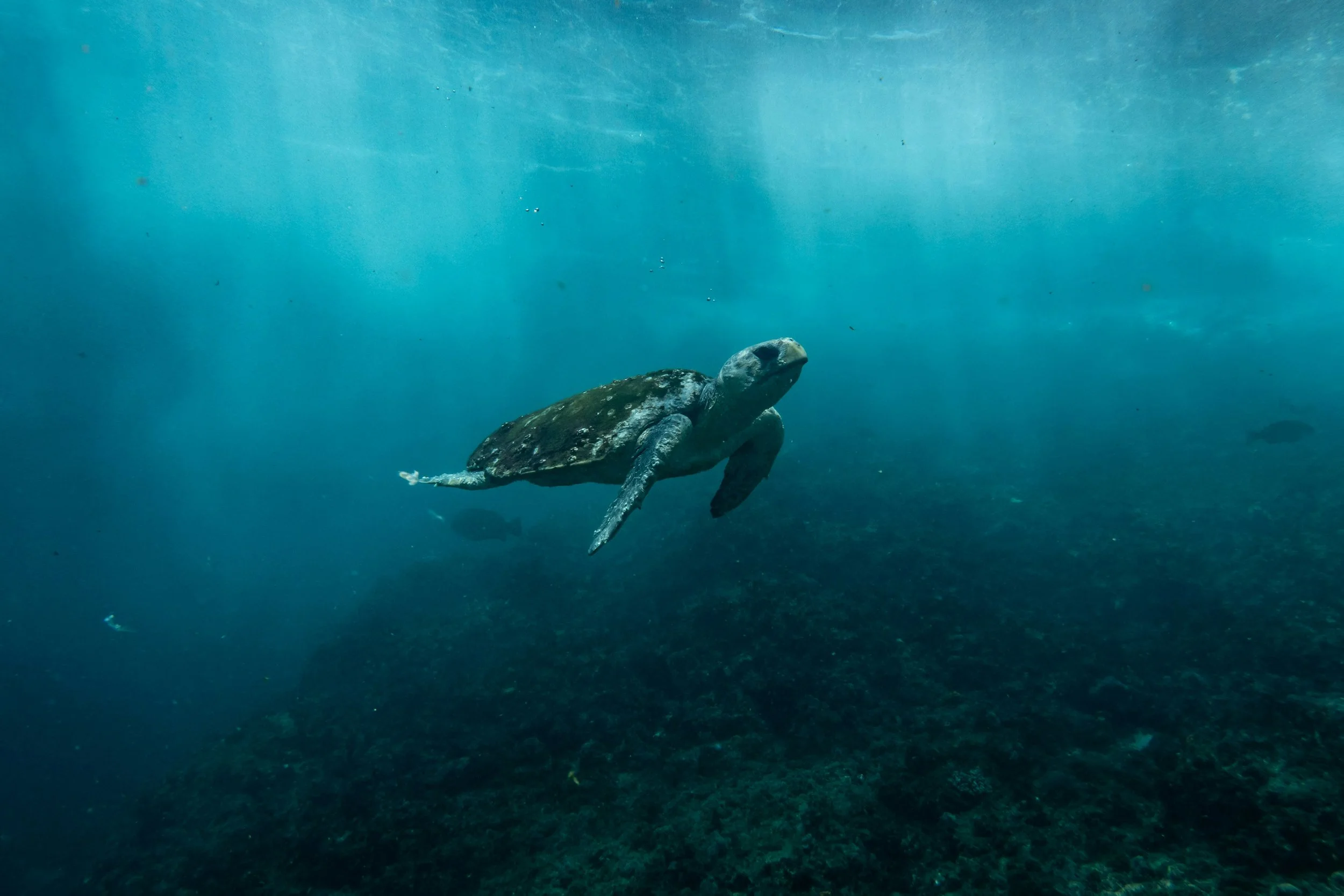
The new rule is slated to take effect September 14, but turtle nesting areas are unlikely to be bulldozed or manatee feeding zones dredged immediately.
“I am fairly certain a federal court will overturn it fairly quickly,” CBD Senior Campaigner Tara Zuardo said. She also questioned whether companies will quickly bulldoze a lot of critical habitat right away because other environmental review laws remain and the change is under court review. Businesses “are not going to want to do something that will be declared illegal the next day,” she said.
The services promised they “will continue to work with States to support species recovery and habitat protection through section 6 cooperative agreements, section 7 consultations, and other collaborative mechanisms.”
Congress could theoretically block the rule or part of it in several ways. Democrats, in the minority in both houses, can't set agenda. But they are exploring options for legislative action. Possibilities include a bill overturning the rule, a rider attached to an appropriations bill or a congressional resolution of disapproval, though President Donald Trump may veto legislation. Rep. Jared Huffman (D-Calif) ranking member of the House Natural Resources Committee, issued a statement calling the change “corrupt, illegal, and completely untethered from scientific reality.”
Yet when they hear enough outrage, some Republican representatives defend ESA. In April, Republicans on the House Committee on Natural Resources presented legislation that would have made it harder to designate critical habitat, turn some authority for protection to states (which may not be interested), limit judicial review, etc. Yet House leadership pulled the bill from the floor because it lacked votes – enough constituents persuaded Republican representatives that they feared for wildlife in their districts.
“One of the most important things people can do is call their representatives – not just sign a petition or send an email – and tell them to support ESA,” Defenders lawyer Jane Davenport suggested. “This administration wants to talk about how we are unleashing American industry, but this policy will harm tourism, hunting, fishing, wildlife watching, bird watching.”
Boyles urges the public to watch for possible habitat destruction in their own communities. "Pay attention to the projects in your communities and in your states," she said. "Citizen monitoring is going to be one of the few ways we can know what is going on."
Species Unite News is a weekly round-up of the most important animal stories happening around the world. Join over 200,000 others who start their week with the latest animal stories delivered straight to their inbox.
We Have A Favor To Ask…
Species Unite amplifies well-researched solutions to some of the most abusive animal industries operating today.
At this crucial moment, with worldwide momentum for change building, it’s vital we share these animal-free solutions with the world - and we need your help.
We’re a nonprofit, and so to keep sharing these solutions, we’re relying on you - with your support, we can continue our essential work in growing a powerful community of animal advocates this year.
More stories:
Some developers suggest that adopting cultivated meat could also improve animal welfare by significantly reducing the number of farmed animals slaughtered.