Medical committee files legal petition to call on USDA to require cancer warnings on meat
Processed red meat, a proven carcinogen, may receive a colorectal cancer warning.
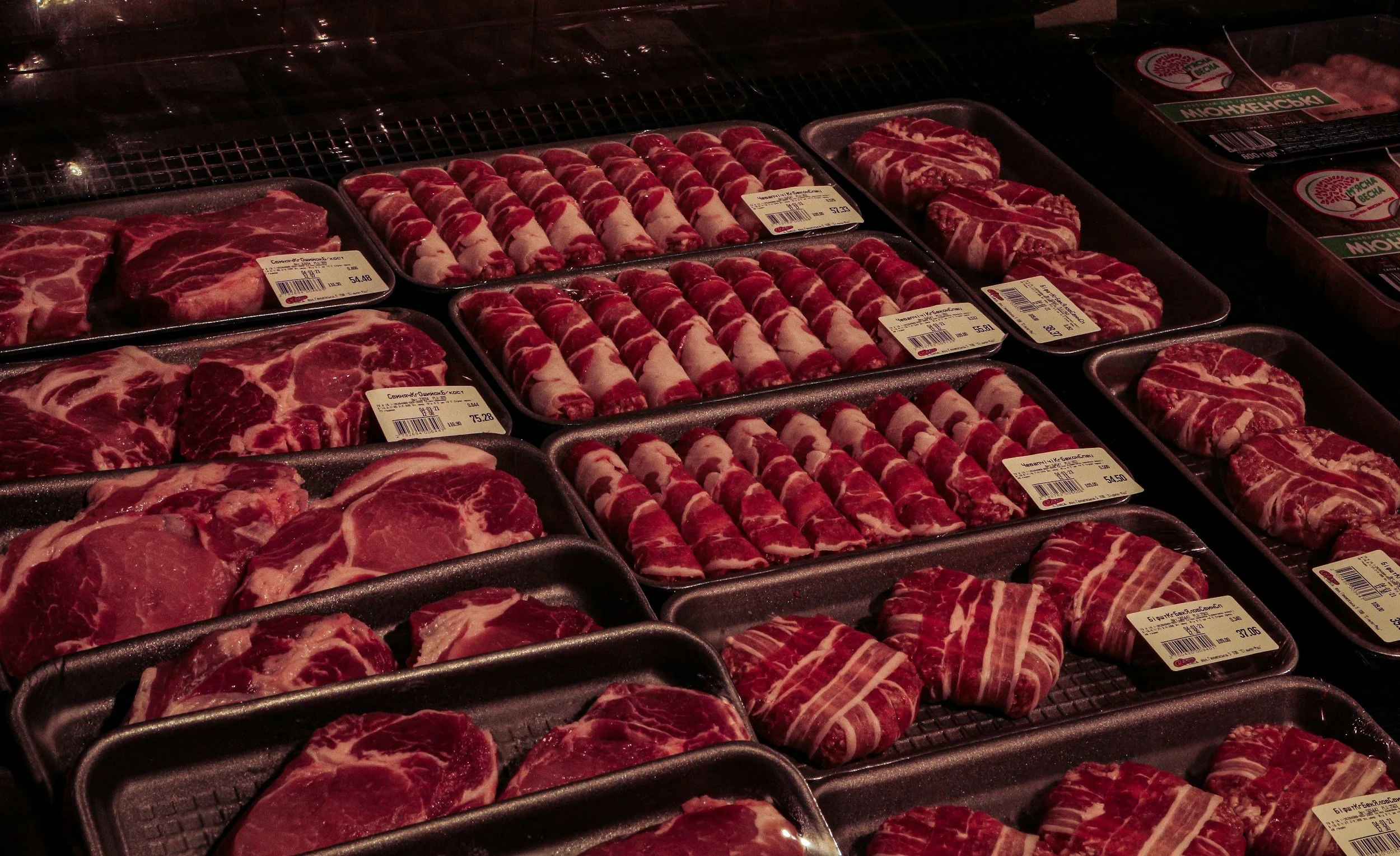
As colorectal cancer numbers soar – it is now the leading cause of death for Americans under 50 – Physicians Committee for Responsible has filed a legal petition calling on the US Department of Agriculture to require warnings on processed meat foods considered carcinogens, such as bacon, ham, hot dogs and deli meats.
In 2015, the International Agency for Research on Cancer, which is part of the World Health Organization, classified these types of processed meats as 'carcinogenic to humans'. These foods were placed under Group 1, which puts them in the same category as tobacco and asbestos, on the basis of sufficient evidence related to colorectal cancer.
In order to arrive at this conclusion, 22 experts from 10 countries assessed more than 800 epidemiological studies.
A meta-analysis concluded that each 50-gram portion of processed meat (the equivalent of approximately one hot dog) eaten daily increases the relative risk of colorectal cancer by 18%.
The American Cancer Society estimates that this year alone, the US will see more than 150,000 new cases of colorectal cancer and 55,230 deaths from the illness.
“As colorectal cancer rates continue to surge in younger people, the USDA must warn consumers that the bacon, deli meat, hot dogs, and other processed meats they are putting on their plates are putting them at risk for cancer,” says Anna Herby, DHSc, RD, CDCES, nutrition education specialist for the Physicians Committee for Responsible Medicine.
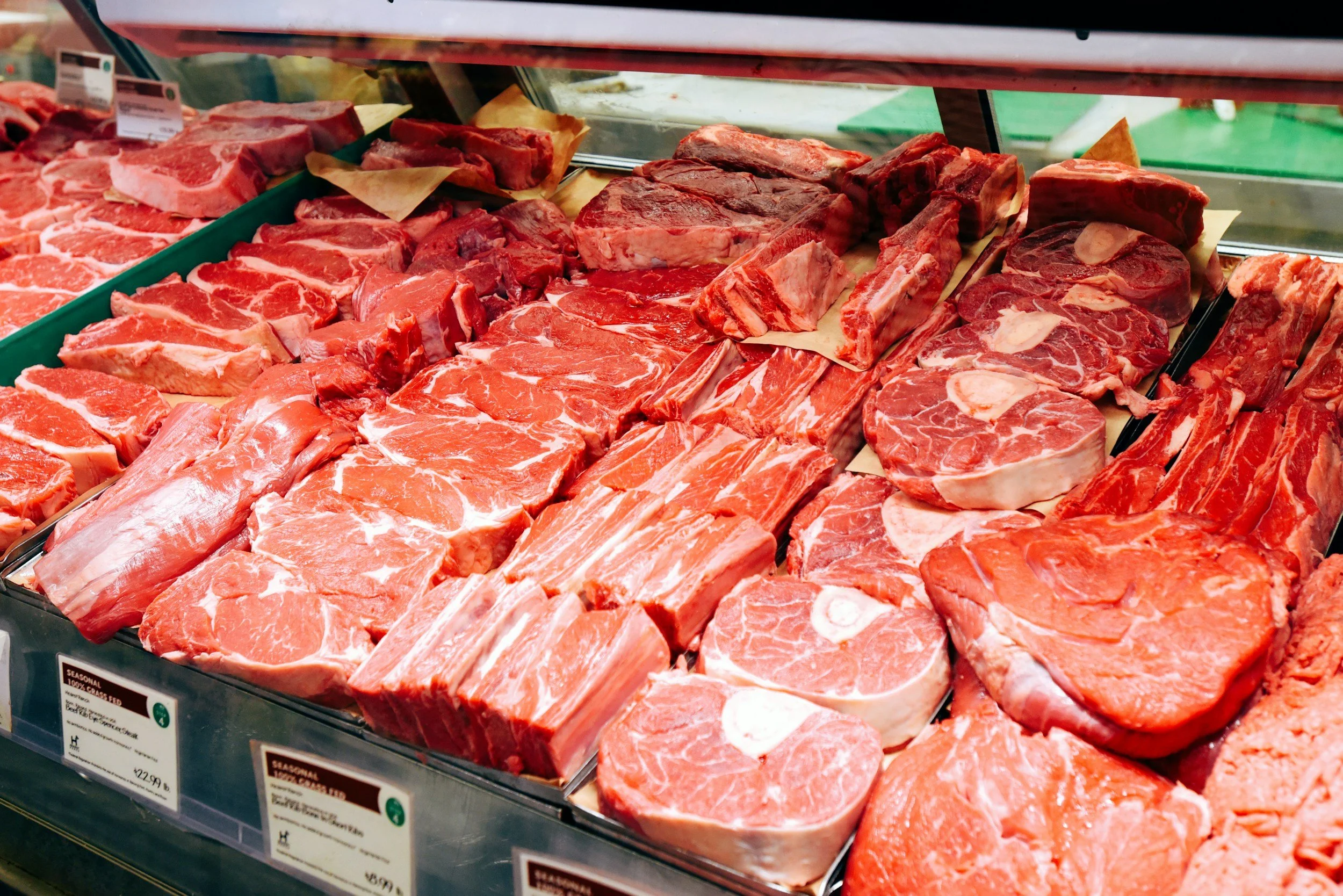
The doctors' group suggests mandatory warning labels on processed meat and poultry products to include the language “this product might increase the risk of colorectal cancer” to offer transparency and clear information to consumers.
Despite ample evidence linking processed red meats to colorectal cancer risk, a recent survey by Physicians Committee and Morning Consult found that nearly half of Americans are not aware that consuming these foods may increase the risk of developing the illness.
However, the research also found that after being informed of the connection, 64% of respondents support a cancer risk warning label on processed meat and poultry products.
Research has shown that individuals following a plant-based diet have a 22% lower risk for all types of colorectal cancers compared with those who consumed an omnivorous diet. This is believed to be due to the high content of cancer-fighting phytochemicals in foods such as legumes, grains, fruit and vegetables.
Fiber, present in plant-based foods, is another factor helping to minimise colorectal cancer risk by promoting gut health.
Maintaining a healthy weight, minimising alcohol consumption, and regular exercise were other factors that could potentially lower the risk.
This is one of the reasons why the Physicians Committee for Responsible Medicine advocates for a shift towards these products. “Instead of processed meats, Americans should be filling their plates with more fiber-rich fruits, vegetables, grains, and beans, which have been shown to help reduce the risk of colorectal cancer,” says Dr. Herby.
If you’re inspired to take a stand for farmed animals, join Species Unite’s 30-Day Plant-Powered Challenge. It’s a month of free recipes, tips, and daily emails that help you explore delicious plant-based meals and reduce demand for farmed animals. Sign up here to make a compassionate change, one meal at a time.
We Have A Favor To Ask…
Species Unite amplifies well-researched solutions to some of the most abusive animal industries operating today.
At this crucial moment, with worldwide momentum for change building, it’s vital we share these animal-free solutions with the world - and we need your help.
We’re a nonprofit, and so to keep sharing these solutions, we’re relying on you - with your support, we can continue our essential work in growing a powerful community of animal advocates this year.