
Living near factory farms increases cancer risk, warns study
Research from Yale reveals that factory farms are a risk to human health in yet another way.
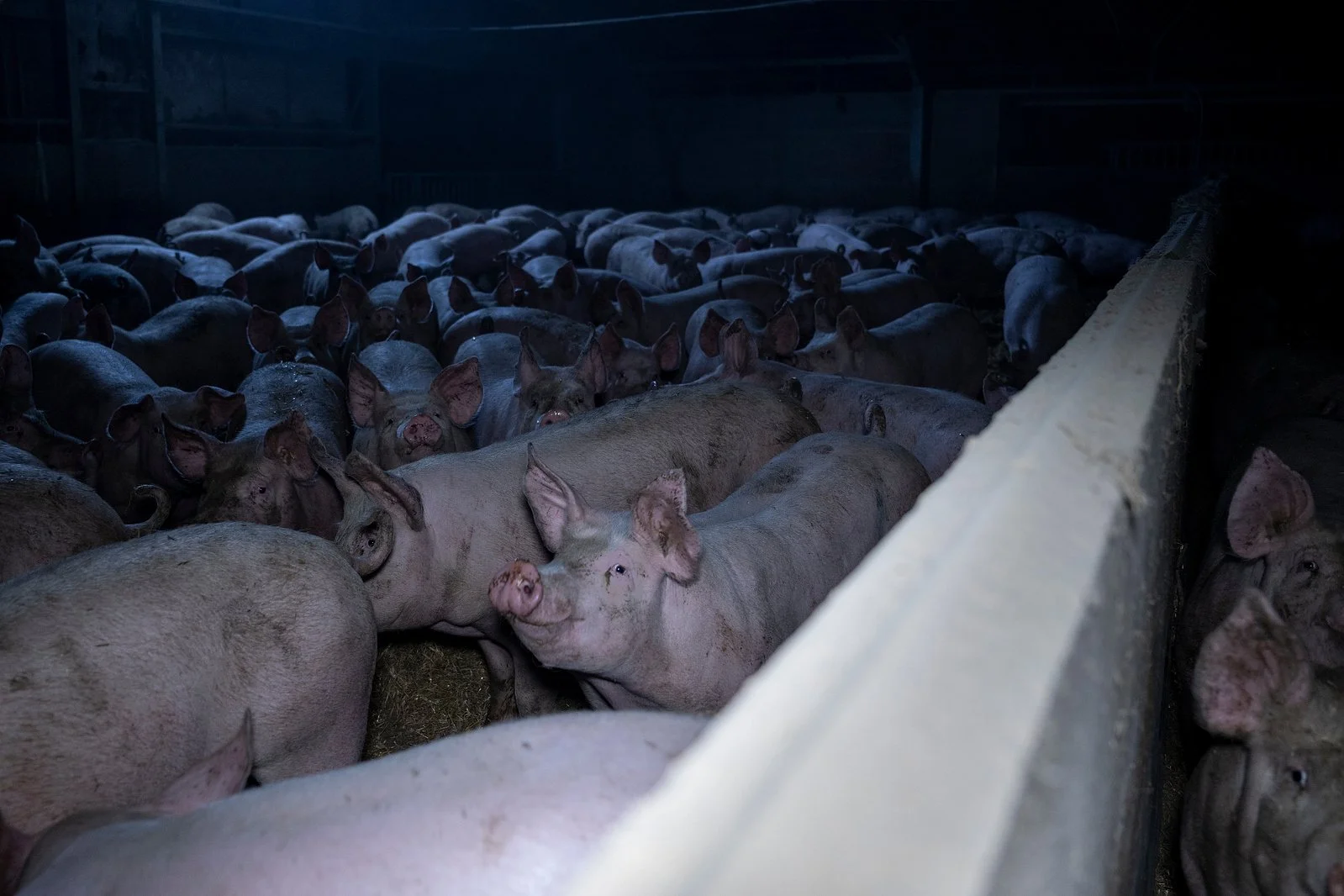
Living near a factory farm can “significantly” increase the risk of developing cancer, according to a new study from Yale University.
Analyzing disease numbers in Iowa, California, and Texas from 2000 to 2021, the study compared areas with the highest concentration of factory farms to other areas with fewer such facilities.
The findings reported that elevated incidence rates of overall cancer were found in the states with areas with a high concentration of factory farms - overall, cancer rates were four to eight percent higher in areas with more industrial animal farming.
The strongest link in California was to bladder cancer; in Texas it was lung and bronchus cancer; and colorectal cancer was the most common in Iowa, the US’ biggest pork-producing state.
“These facilities are known sources of environmental pollution, including air pollutants (e.g., ammonia, particulate matter, hydrogen sulfide) and water contaminants such as nitrates, which may have implications for human health,” said Jiyoung Son, researcher at the Yale School of Environment and first author of the study.
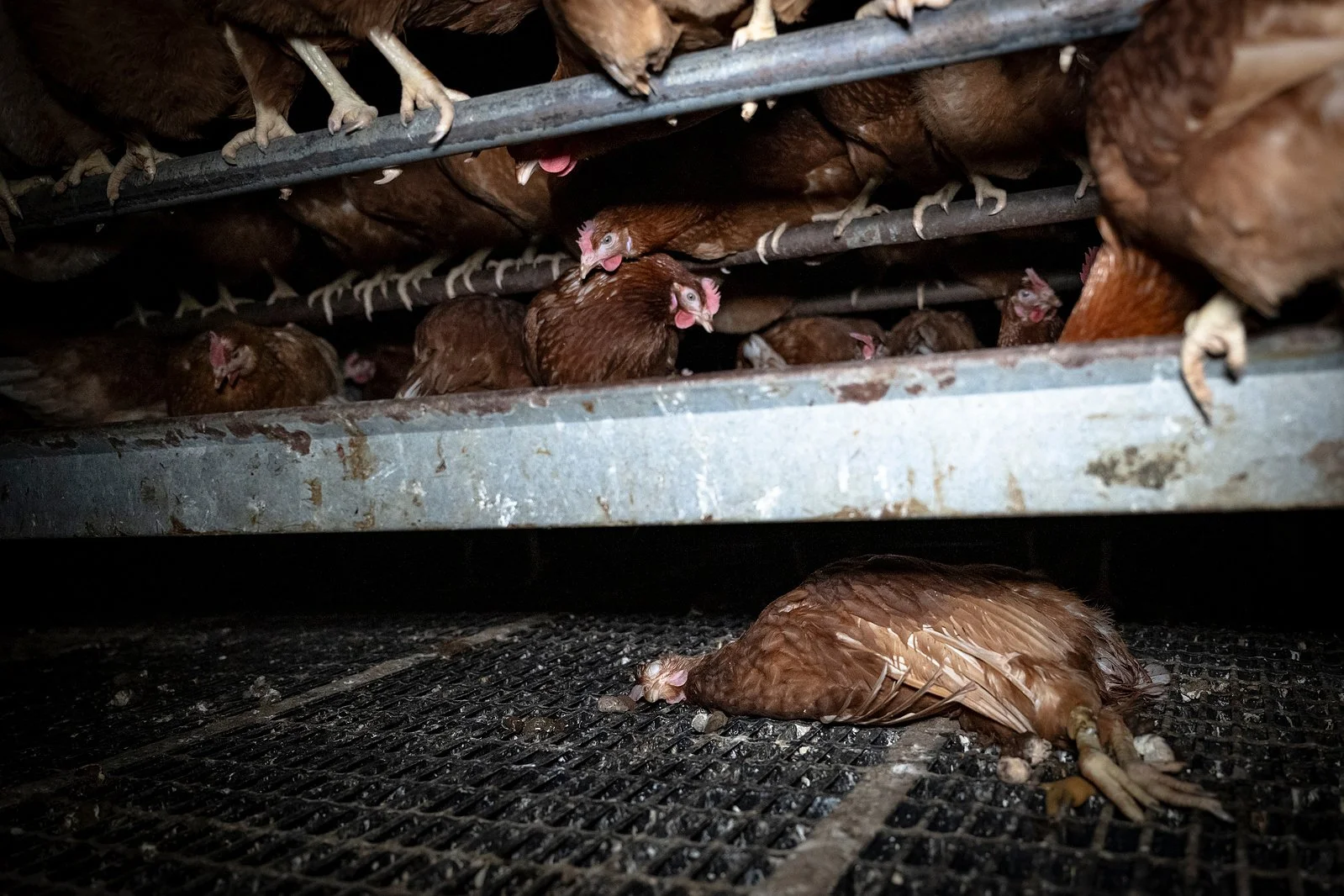
Factory farms are establishments where large numbers of animals are held for the purpose of human consumption - in the US, that can mean thousands of cows or hundreds of thousands of birds.
Nearly all animals eaten in the US come from such farms. They spend their lives in extremely crowded conditions, facing disease risk and often being subjected to mutilations such as castration, branding, and tail docking - all done without pain relief. They often face a gruelling trip to the abattoir where they are killed at a fraction of their natural lifespans.
Factory farming already comes with serious concerns when it comes to its impact on human health - keeping large numbers of animals in such close proximity to each other has numerous impacts.
From antibiotic resistance to the risk of zoonotic diseases, the way we currently produce food poses many risks to our own well-being. Red meat consumption has also been linked to higher rates of colorectal cancer.
But living near such a facility means increased exposure to pollution and toxicity - for example, nitrate and nitrite pollution increases in areas near pig farms due to overapplication and runoff of manure.
Iowa has over 5,400 pig farms, producing 100 billion pounds of manure. The cancer rates in the state are the second-highest in the country.
US megafarms produce 940 billion pounds of manure, leading to water pollution, with a national study finding that nitrite pollution could be responsible for up to 12,000 cancer cases annually - alongside $1.5bn in healthcare costs.
Water pollution also comes with regulating issues: the US Environmental Protection Agency requires large animal operations to hold a permit to regulate their impact on water pollution.
However, in 2024, fewer than one third of the country’s factory farms held such a permit. All other facilities which don’t require it may or may not be regulated at the state level.
Factory-farm pollution also disproportionately affects people in low-income communities and people of color, many of whom already have difficulties in accessing nutritious food and adequate healthcare.
Join Species Unite's 30-Day Plant-Powered Challenge, a free month of recipes and tips to help you reduce demand for factory farmed animals, one meal at a time.
We Have A Favor To Ask…
Species Unite amplifies well-researched solutions to some of the most abusive animal industries operating today.
At this crucial moment, with worldwide momentum for change building, it’s vital we share these animal-free solutions with the world - and we need your help.
We’re a nonprofit, and so to keep sharing these solutions, we’re relying on you - with your support, we can continue our essential work in growing a powerful community of animal advocates this year.

Some developers suggest that adopting cultivated meat could also improve animal welfare by significantly reducing the number of farmed animals slaughtered.