
Food and fossil fuel production causes $5bn in environmental damage every hour, report finds
A new UN report uncovers a staggering truth: the two unsustainably managed industries are causing costly harm to the planet.
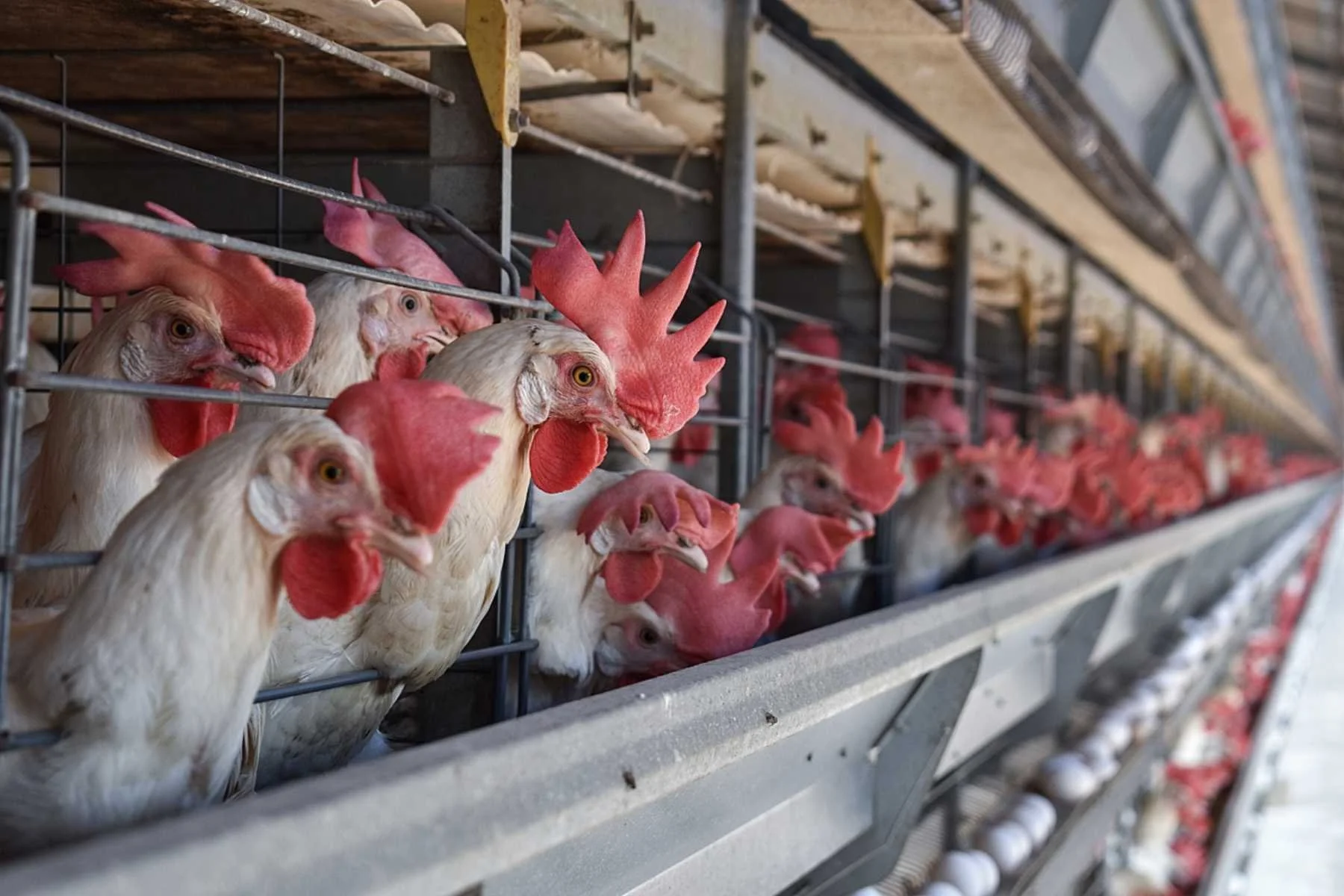
Photo: Amy Jones/Moving Animals
A recent report from UN Global Environmental Outlook (GEO), produced by over 200 UN environmental researchers, has revealed that the production of food and fossil fuels causes a $5bn worth of harm to the environment every hour through greenhouse-gas emissions, pollution of air and water, soil degradation, and loss of biodiversity.
The message of the report is that drastic change is needed to avoid collapse becoming inevitable.
Food systems are to blame for the majority of these costs, totalling an estimated $3bn, while fossil fuels represent the remainder.
The report warned that the climate crisis can no longer be viewed solely as an environmental issue. Experts said rising global temperatures are expected to worsen food insecurity, which, combined with rapid population growth, could trigger conflict around the world. As a result, the report argued, environmental pressures increasingly pose risks to national and global security.
“They are all undermining our economy, food security, water security, human health and they are also [national] security issues, leading to conflict in many parts of the world,” says Prof Robert Watson, the co-chair of the assessment.
The UN also notes that addressing these problems will be less costly than ignoring them. The report estimated that the benefits from taking action on climate issues would be worth $20tn a year by 2070 and $100tn by 2100.
“We need visionary countries and private sector [companies] to recognise they will make more profit by addressing these issues rather than ignoring them,” says Watson.
The report said these costs should be factored into the prices of basic-need goods such as food and electricity, but to avoid low-income population bearing the brunt, a universal basic income is among the solutions proposed by the report, alongside taxes on meat and subsidies to support plant-based food systems. Removing and repurposing subsidies for fossil fuels and mining was another proposed solution.
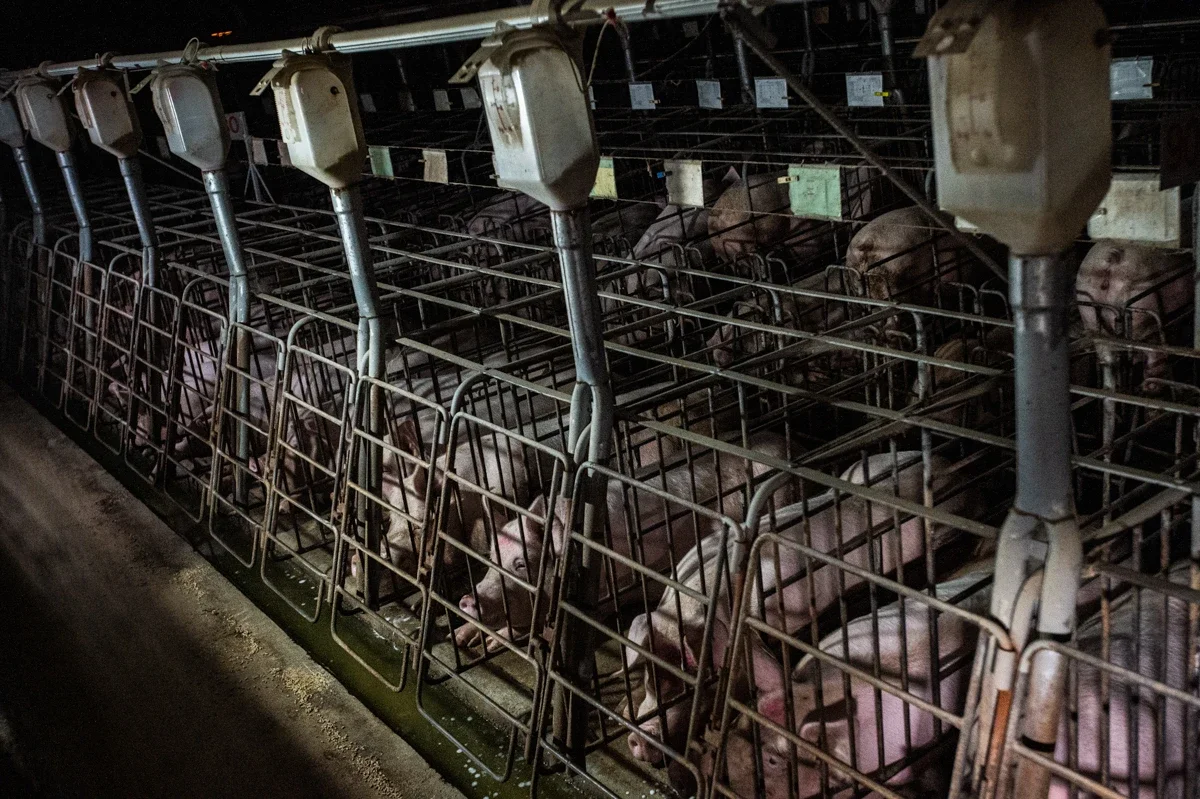
Photo: Jo-Anne McArthur / We Animals Media
Animal agriculture is one of the leading causes of the climate crisis, with animal farming being responsible for 60% of agriculture-related emissions of greenhouse gases such as methane and nitrous oxide.
Deforestation and the resulting loss of biodiversity is another major environmental problem connected to meat production, where huge swaths of areas rich in biodiversity, such as the Amazon rainforest, are being cleared to grow feed for farmed animals. In the process, trees that sequester carbon dioxide are cut down, leaving the environment even more at risk.
Wild animal species and populations are disappearing to make room for humans' growing appetites: farmed poultry make up 70% of all birds in the world.
A plant-based food system would drastically cut emissions, curb water use, and help halt deforestation. Soil could also be healthier with organic plant farming, which would also allow for more efficient energy use.
Billions of land animals and trillions of sea animals would be spared a horrifying existence and an even worse death. And it is, at least partly, in our hands. Watson says, “the public have got to demand that they want a sustainable future for their children and their grandchildren. Most governments do try and respond.”
What can you do?
Species Unite’s 30-day challenge sees people swap the animal products in favor of plant-based foods for an entire month. Take the challenge here to receive recipes, support, and advice straight to your inbox.
We Have A Favor To Ask…
Species Unite amplifies well-researched solutions to some of the most abusive animal industries operating today.
At this crucial moment, with worldwide momentum for change building, it’s vital we share these animal-free solutions with the world - and we need your help.
We’re a nonprofit, and so to keep sharing these solutions, we’re relying on you - with your support, we can continue our essential work in growing a powerful community of animal advocates this year.


A cleaner New York Harbor has drawn hundreds of humpback whales back to its waters for the first time in generations, but the same busy port that welcomes them is also killing them.