
Emmy Awards go fur-free as Television Academy bans animal pelts
The decision makes the Emmys one of the first major awards ceremonies to formally prohibit animal fur at official events.

The Television Academy has announced a ban on fur across all its live events, including the Creative Arts Emmy Awards and the Primetime Emmy Awards.
Starting with this year's edition, invitations will inform guests of the new policy – with those violating it risking being removed from the event without being able to access the ceremony or the red carpet.
The development follows dialogue with the Coalition to Abolish the Fur Trade (CAFT), who hopes this policy will be more widely adopted.
“We applaud the Television Academy for taking this progressive and compassionate step,” says CAFT Executive Director Suzie Stork. “As the first major award show to adopt a fur-free red carpet policy, the Emmys are helping shape a more ethical future for fashion and entertainment. It's an inspiring decision and a real win for wildlife.”
Fur has been declining in the last decade, with the Fashion Weeks of New York and London recently announcing fur bans across their runways. Last year, Condè Nast, the publisher of VOGUE, introduced a no-fur policy.
Brands like Gucci, Chanel, Prada, Versace, Burberry, Balenciaga and many more have similar policies banning fur. Department stores such as Saks Fifth Avenue, Nordstrom, Macy's, and Neiman Marcus also have bans on selling fur – as does the state of California, the first US state to ban fur sales.
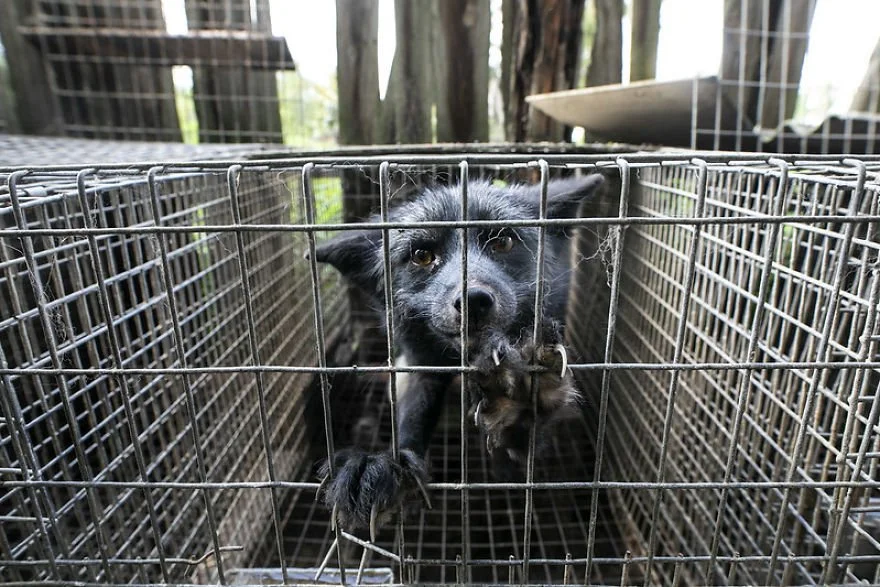
In the last decade, the number of animals killed for fur has dropped by 85% (a number that doesn't include all animals, but is however representative of progress), meaning that millions fewer animals will be bred into an industry where they will have to endure extreme confinement in wire cages, neglect and risk of diseases.
Credit: Andrew Skowron
Commonly, animals on fur farms are denied adequate food, water and veterinary care, and are sometimes forced to live next to the rotting corpses of their cagemates.
Sometimes the animals live in cages to small that they can barely turn around – and they never get to leave their cages until it's time for their short lives to come to an end. To kill the animals, farmers use the cheapest tools at their disposal, including poisoning, gassing, electrocution or suffocation.
Animals caught in the wild for their fur suffer in steel-jaw traps for hours, sometimes days, at risk of blood loss, shock, dehydration, gangrene, attack from predators and frostbite. Mother animals have been known to try to chew their own limbs off to escape the traps and return to their babies. When the trapper arrives, the animals will be typically be strangled, shot, or beaten to death.
Plant-based material innovation means consumers no longer have to choose between animal fur and petroleum-derived synthetics: French faux fur manufacturer ECOPEL's KOBA material, partially made from corn, represents a 63% reduction in greenhouse gas emissions and a 37% reduction in energy use.
Following the launch of KOBA, ECOPEL also released Flur, a fully plant-based, plastic-free vegan fur. ECOPEL is not alone: BioFluff's Savian material is a faux fur made from hemp, linen and nettles, entirely free from both plastic and animal products.
Species Unite is calling on online marketplace Etsy to join the growing movement of major fashion houses across the globe that have banned fur, and remove fur products from its platform for good. Sign the petition here.
We Have A Favor To Ask…
Species Unite amplifies well-researched solutions to some of the most abusive animal industries operating today.
At this crucial moment, with worldwide momentum for change building, it’s vital we share these animal-free solutions with the world - and we need your help.
We’re a nonprofit, and so to keep sharing these solutions, we’re relying on you - with your support, we can continue our essential work in growing a powerful community of animal advocates this year.
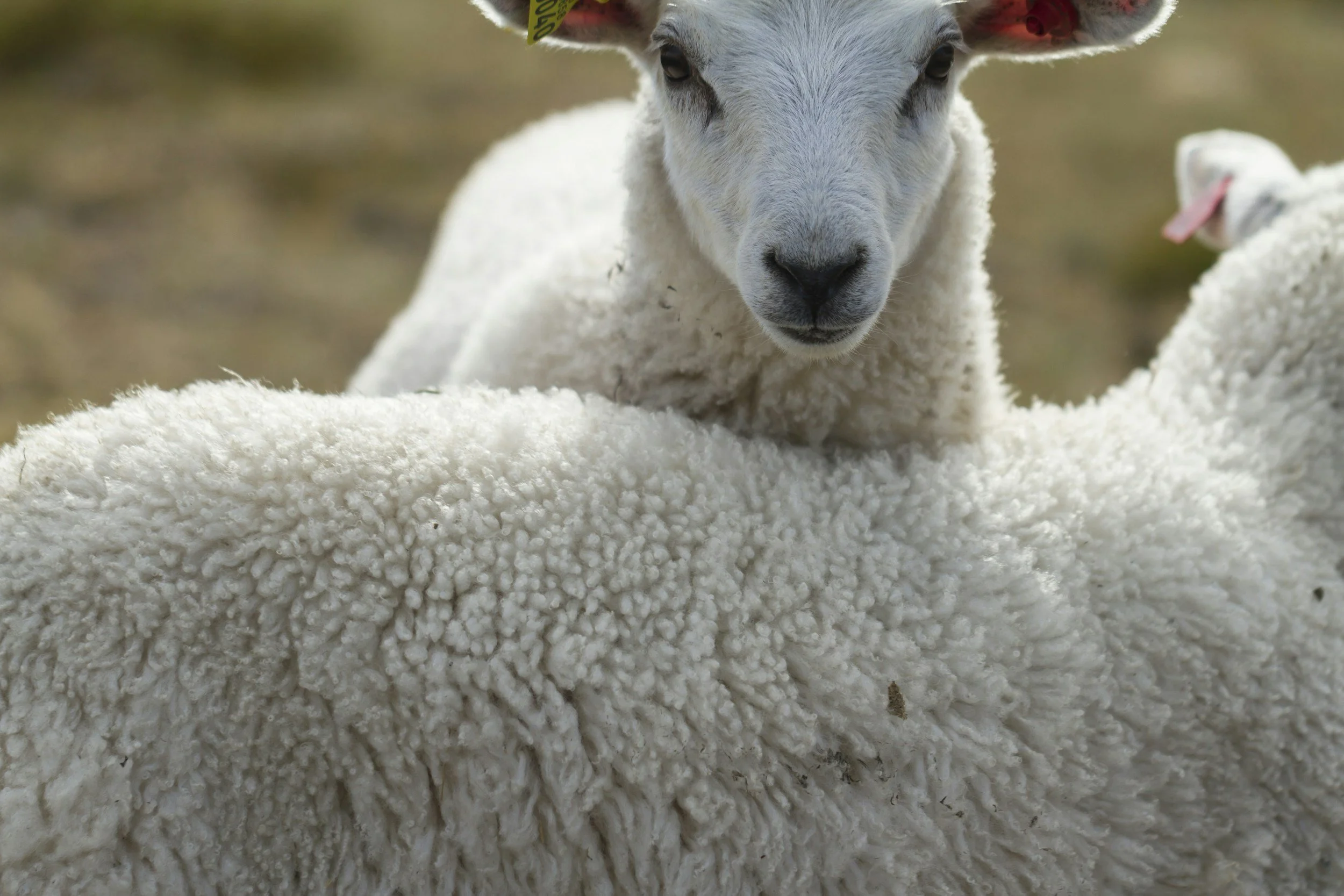


From the Amazon to Australia to Indonesia, the fashion industry's appetite for animal materials is leaving a trail of destruction that no certification scheme has yet managed to stop.