
Drug-resistant salmonella strains are rising in the US poultry industry
A new report finds that while overall salmonella rates are falling, the most severe, drug-resistant strains are rising across the US poultry industry, with the largest producers showing the highest rates.
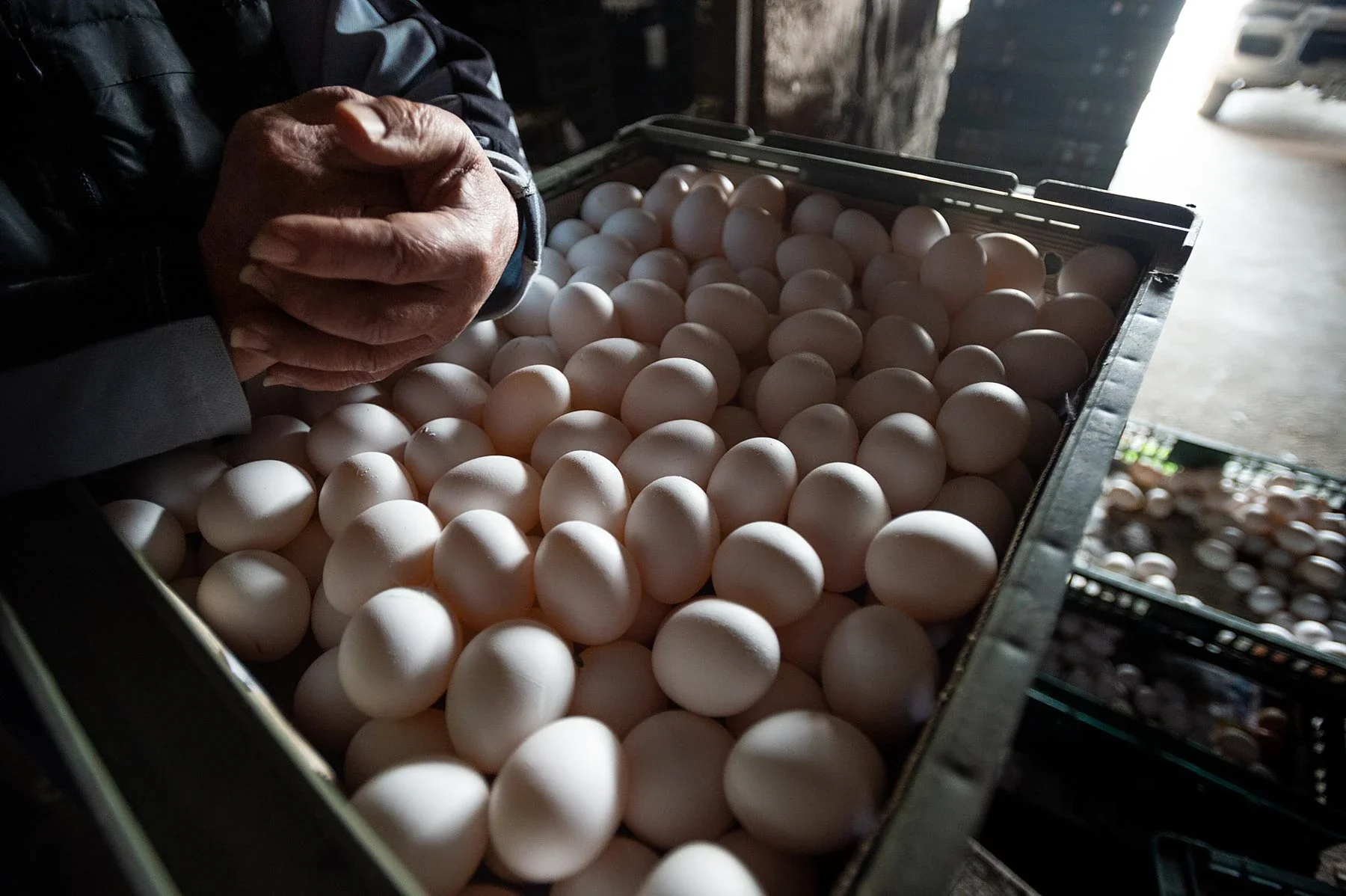
In 2025, consumption of eggs in the United States was estimated at 259.2 per person. This figure was projected to reach 273.7 eggs per capita by 2026. Credit: Jo-Anne McArthur/We Animals
Drug-resistant salmonella strains, the kind most likely to cause hospitalization or death, are on the rise in the US poultry industry, even as the industry points to falling overall infection rates as a sign of progress.
The United States Department of Agriculture (USDA) reports that overall salmonella rates in tested poultry are decreasing. But after a season of illness cases and product recalls (specifically eggs), advocates are warning that the poultry trade is fueling an increase in strains that are more likely to lead to hospitalization and death. These strains are also more difficult to treat as they are more resistant to antibiotics.
Campaign group Farm Forward has produced a new report focusing on the variations in salmonella strains in the US between 2014 and 2025, and the dangers these new strains can potentially pose.
The findings are worrying for public health: while the percentage of salmonella cases is lower overall, contamination with more severe, multidrug-resistant strains is rising without any indication to be slowing. These strains are increasingly connected to invasive infection, hospitalization, and possible fatality.
Farm Forward points to intensive animal farming as a possible culprit. Features of modern bird farming - such as cramped living conditions, high-speed processing, and genetic modification that weakens the animals’ immune system - are all factors that can lead to the proliferation of these more dangerous strains.
According to Farm Forward, these particular varieties of salmonella don't often make the birds themselves sick, so they are often the ones that tend to become prominent over time.
“We have a poultry industry in America that has become dominated by a single production system of giant animal factories, cramming thousands of birds together in filthy conditions that make foodborne illnesses like salmonella extremely likely,” said Andrew deCoriolis, executive director of Farm Forward. “And we’re doing nothing on the regulatory side to protect consumers when the inevitable contamination happens.”
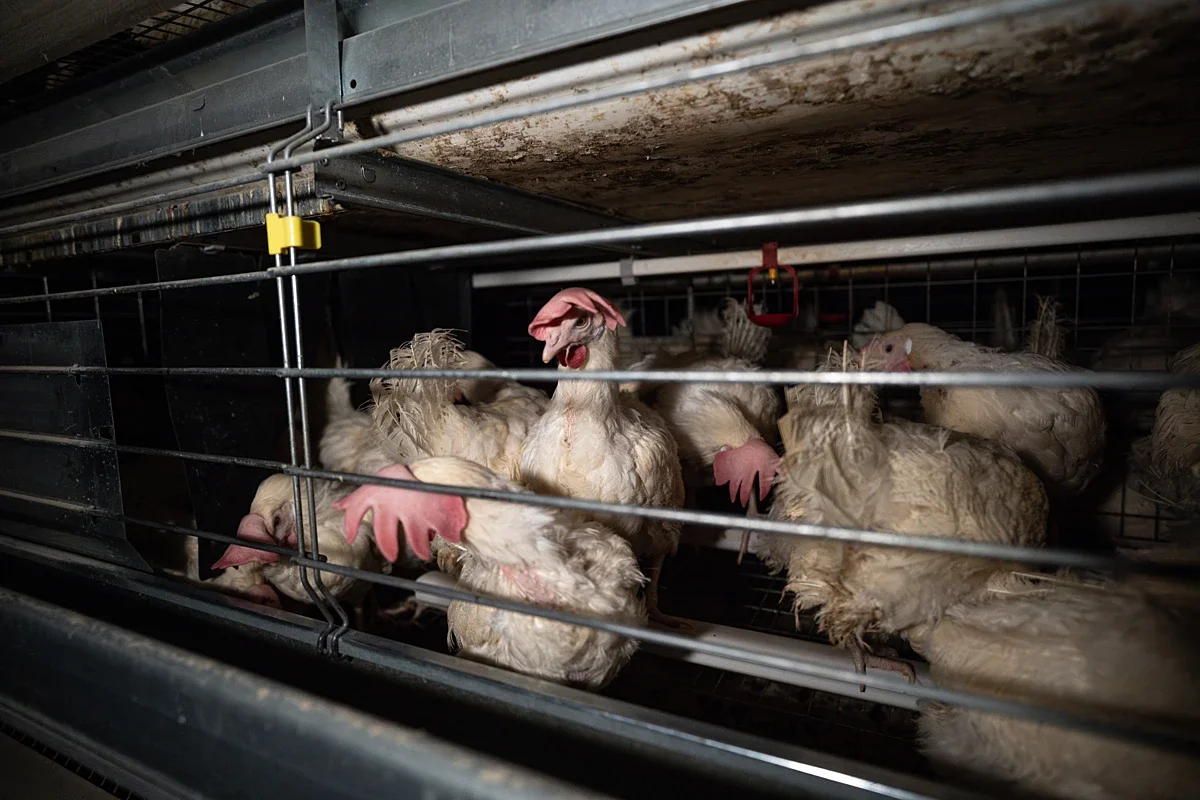
A typical battery cage farm, where hens are confined to cramped, overcrowded enclosures. Credit: Abigail Messier / Open Wing Alliance / We Animals
Some of the report’s key findings include a 43.6 percent rise in the strains most likely to cause humans to get ill. Antibiotic resistance and multi-drug resistance is now present in 73.3 percent of poultry samples that test positive. And the strains most closely associated with risks to human health now come with a high level of resistance to one or more antibiotic drugs.
The largest poultry-producing companies were also those with the highest rates of high-virulent and multidrug-resistant salmonella strains. Multidrug resistance was shown in more than a quarter of samples at Pitman’s plant, almost one-fifth of positive tests at one of Butterball’s facilities, and more than one-third of tests at two of the plants owned by Perdue.
The campaign organization also noted that some companies kept facilities open despite cases of salmonella returning year after year. Regulation also hasn’t addressed the outbreaks and risks sufficiently, according to Farm Forward.
“If you have an egg product or a pet food product that is regulated by the FDA and is found to be contaminated with salmonella, the FDA can recall them, can stop the sale, and can issue fines against companies who have contaminated products,” deCoriolis said. “But that’s not true for chicken meat.”
Chicken and turkey farming account for a quarter of all cases of salmonella contamination in the U.S. In 2024, the Biden administration put forward a new proposal that would require the poultry industry to commit to keeping contamination levels under certain thresholds and test for the strains more likely to cause illness - if any samples came back positive, the product would be withdrawn from sale. However, this proposed framework was withdrawn by the USDA in April this year.
Join Species Unite's 30-Day Plant-Powered Challenge, a free month of recipes and tips to help you eat in a way that's better for your health, better for the planet, and better for the animals.
With animal stories making up less than 2% of the news cycle, we're here to fill that gap. Sign up for Species Unite’s weekly news digest.
The animals need a newsroom in their corner
Every week we dig into the animal stories the mainstream news overlooks. Investigations, exposés, legal battles, and victories - none of it happens without your support. A monthly gift of as little as $5 keeps us covering the 98% of animal news the world isn't seeing.
More stories:

A cattle truck crash in Kansas City, Missouri, is one of several recent ones, as Mercy for Animals urges the US Department of Agriculture to update its rules on animal transport.