
Cuban financial crisis leaves zoo animals starving
As economic crisis deepens across parts of the world, disturbing footage and eyewitness accounts have emerged of lions and other big cats left visibly emaciated at underfunded zoos.
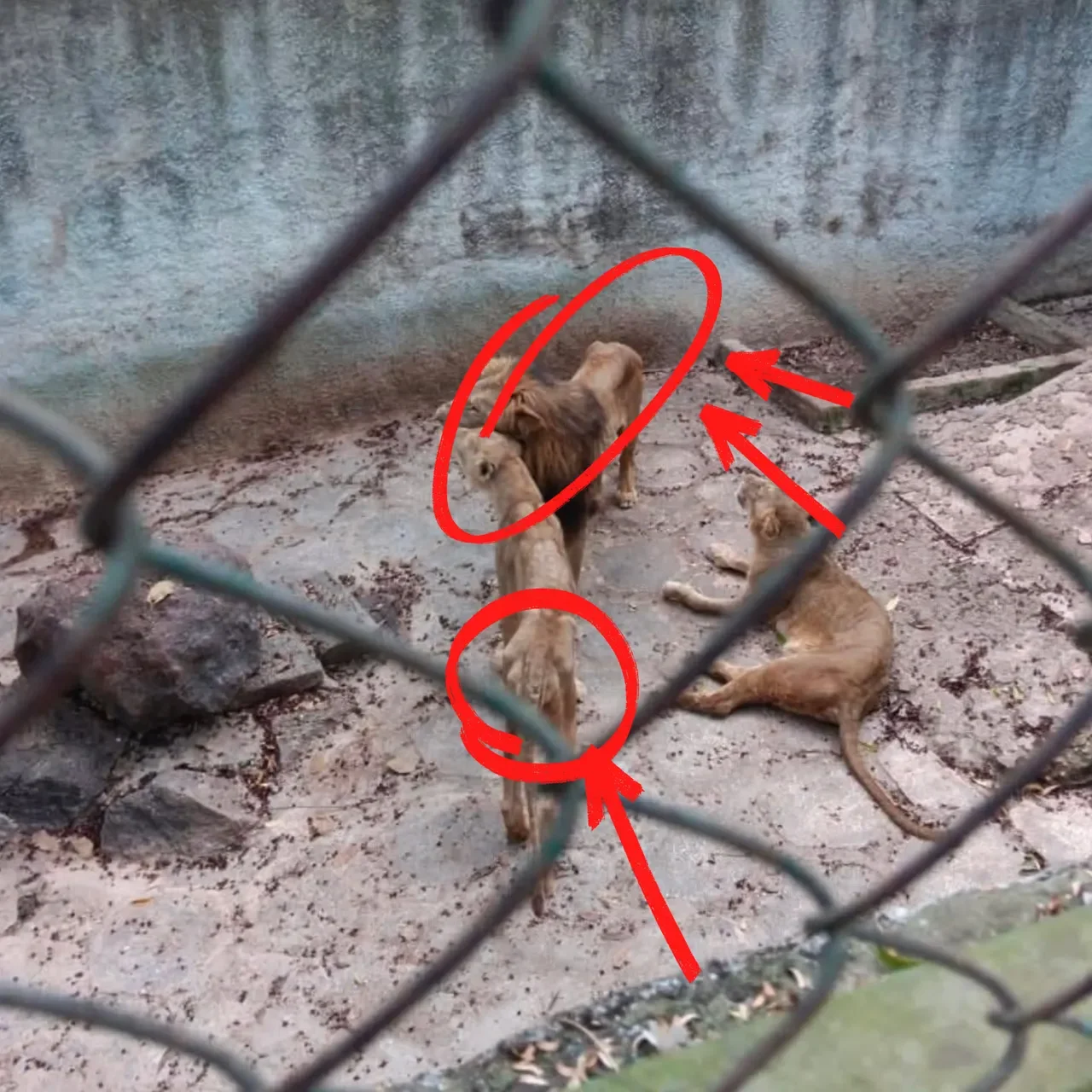
Credit: Sources/X. Edited by Sociedad Media
Due to fuel and energy crises, decreases in oil imports, and US sanctions, Cuba is facing severe economic upheaval, with basic resources lacking around the country. One of the impacts of the unrest is an animal welfare emergency, including those affecting zoo animals.
Alarming conditions at facilities like the Casino Campestre Zoo in Camagüey have been revealed by eyewitness testimonials: lions are appearing emaciated, looking weak and malnourished.
The Casino Campestre is Cuba's largest zoo, part of the National Company of Zoos and Aquariums of Cuba. Despite reassurances from the zoo that animals aren't hungry, visitors' concerns are growing.
Photos have surfaced on social media showing lions with visible hip bones and ribs, living on bare concrete floors without any vegetation or anything else that resembles their natural habitats.
It's not the first time zoos in the province of Camagüey have come under fire for animal mistreatment: in late 2025, journalist José Luis Tan Estrada shared a video of a lion in a cage in the Florida province. The animal had allegedly not eaten for eight days.
One of the comments on the post read, “The poor no longer have the strength to roar; it’s been days and days without food. The condition of that zoo is criminal, and all that remains is the memory of it while watching those little animals suffer day after day. When I was a child, I saw what it used to be, and seeing what it has become is painful because nowadays, nothing is the same; everything is getting worse."
Other zoos around the country are also showing similar problems. At a zoo in Manzanillo, a lion brought in from Kenya and his heir are both suffering from extreme malnourishment.
According to experts, lions need to eat approximately 10 kilograms of meat, fish and meat-related products per day.
A worker has said, “We can only give them two meals a day, and sometimes there is only enough for one.” Witnesses have documented animals eating vegetables, which aren't normally part of their diet, due to malnutrition.
Another long-time worker at the Manzanillo zoo has said: “There is not enough money here to buy food for all the animals. The meat company cannot provide enough meat for the lions, that’s why they are so skinny.”
Animal advocates are urging visitors to stay away from Cuban zoos to avoid contributing to cruelty, and petitions are calling on authorities to urgently investigate conditions.
But the issue extends far beyond zoos and beyond animals: food shortages around Cuba have led citizens to extreme behaviours such as poaching birds, using toxic substances to fish in rivers, and even consuming iguanas. If the financial situation stays the same, a recovery for zoo animals is unlikely – another reminder of how human activity affects the wildlife we choose to exploit.
If you’re inspired to take a stand for farmed animals, join Species Unite’s 30-Day Plant-Powered Challenge. It’s a month of free recipes, tips, and daily emails that help you explore delicious plant-based meals and reduce demand for farmed animals. Sign up here to make a compassionate change, one meal at a time.
We Have A Favor To Ask…
Species Unite amplifies well-researched solutions to some of the most abusive animal industries operating today.
At this crucial moment, with worldwide momentum for change building, it’s vital we share these animal-free solutions with the world - and we need your help.
We’re a nonprofit, and so to keep sharing these solutions, we’re relying on you - with your support, we can continue our essential work in growing a powerful community of animal advocates this year.

Plant-leather boots, cruelty-free bags, and animal-free versions of your favorite brands - see our full guide to the best cruelty-free alternatives to iconic fashion staples.