
Amsterdam becomes the first capital city to ban meat advertising in public spaces
The ban – which also applies to fossil fuel products – reflects a nationwide shift in the Netherlands towards a greener, plant-based future.
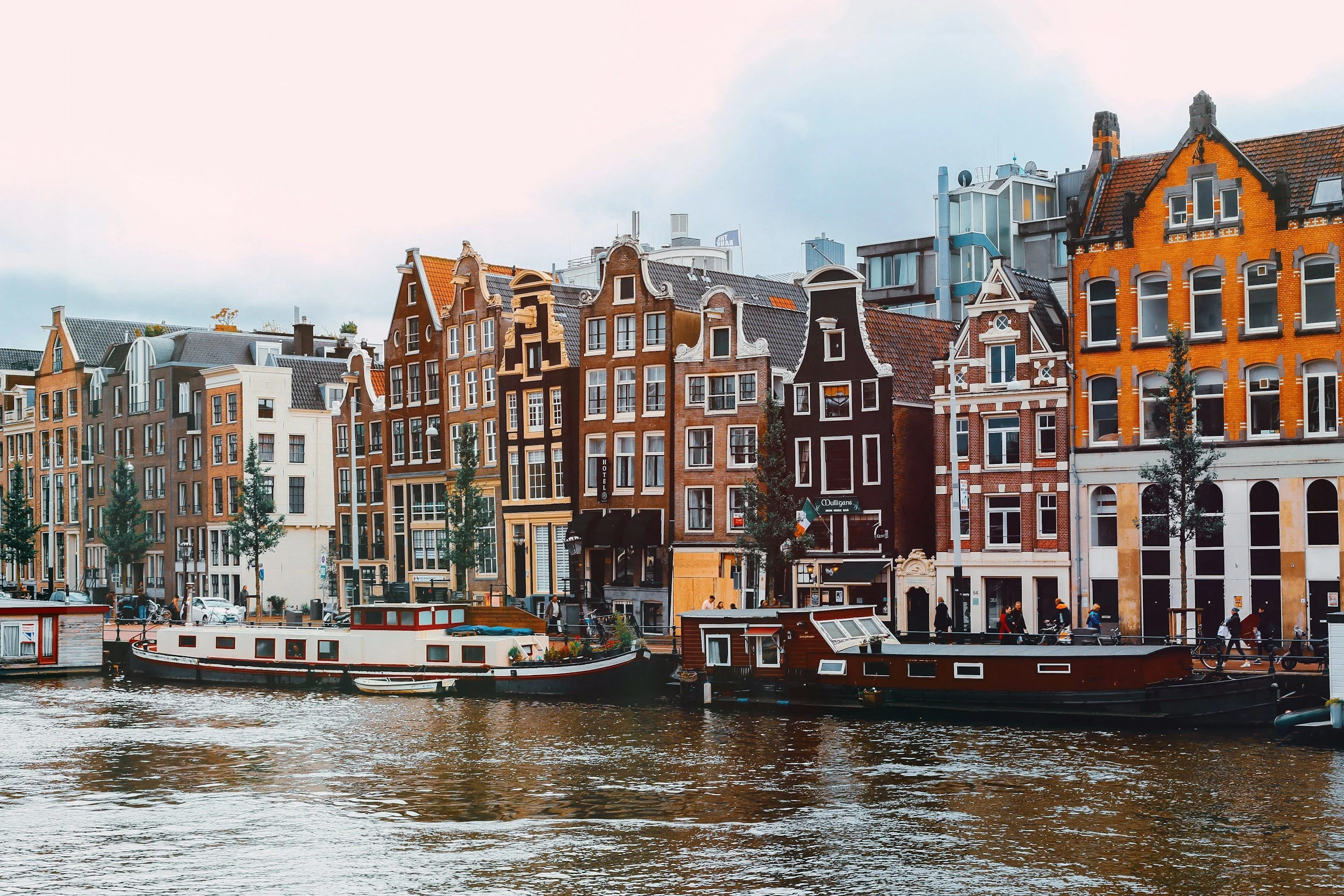
In Amsterdam, meat products will no longer appear on public advertising, such as billboards and bus shelters.
The historic legislation, which comes into effect from May 1, means that Amsterdam is the first capital city in the world to enforce such a ban.
Introduced jointly by the GreenLeft and the Party for the Animals, the bill was recently passed by 27 of the 45 seats in Amsterdam’s municipal council.
Fossil fuel products – including air travel, cruises, and petrol-powered cars – are also banned from public advertising.
“You can’t say you’re taking climate policy seriously and continue to allow these advertisements,” said Jenneke van Pijpen, the GreenLeft councillor who co-sponsored the bill.
The GreenLeft has been working on this legislation for many years. In 2020, a motion by the party to ban public advertising of cheap air travel and gasoline brands won a council majority.
"It's appalling that while forests around the world are burning and the poles are melting, Shell is allowed to continue advertising on our billboards, and that air vacations are being offered at rock-bottom prices in bus shelters," said the GreenLeft counillor, Jasper Groen, at the time.
Groen wanted to amend the city’s contract with JCDecaux, which leases space for outdoor advertising in over 2,000 locations throughout Amsterdam. The contract was worth around €10 million a year to Amsterdam.
An informal agreement with operators was put in place but, according to the GreenLeft, this did not result in any meaningful change. A clear, enforceable law was needed.
The ban on meat products is especially timely, since Amsterdam is aiming for its citizens to be eating a 50 percent plant-based diet by 2050.
Indeed, this follows a nationwide trend in promoting a greener, meat-free future; in 2022, Haarlem became the first city to outlaw public advertising of meat, while the Hague has introduced a ban on fossil fuel adverts.
Travel companies appealed against the latter, but a judge rejected their arguments. While recognising the ban would have only a “minor” impact on a national and global level, the judge ruled that "The municipality rightly pointed out that every little bit helps and that the municipality wants to do its part."
By banning adverts on meat as well fossil fuels, Amsterdam is recognizing the damaging relationship between the meat industry and climate change.
“We know that most of the carbon emissions in the food system comes from meat production, so it makes sense for Amsterdam to restrict the advertising of meat as part of its strategy to promote food system change,” said Joey Cramer, of ProVeg Netherlands. “This shift is not only good for the climate, it’s good for people’s health and, of course, for animals,” Cramer added.
We Have A Favor To Ask…
Species Unite amplifies well-researched solutions to some of the most abusive animal industries operating today.
At this crucial moment, with worldwide momentum for change building, it’s vital we share these animal-free solutions with the world - and we need your help.
We’re a nonprofit, and so to keep sharing these solutions, we’re relying on you - with your support, we can continue our essential work in growing a powerful community of animal advocates this year.


Plant-leather boots, cruelty-free bags, and animal-free versions of your favorite brands - see our full guide to the best cruelty-free alternatives to iconic fashion staples.