
Zambia seizes half a ton of ivory in cross-border smuggling bust
Wildlife authorities in Zambia have arrested ten people and seized approximately 550kg of ivory tusks, in an operation that exposes the organised criminal networks driving the illegal elephant trade across southern Africa.
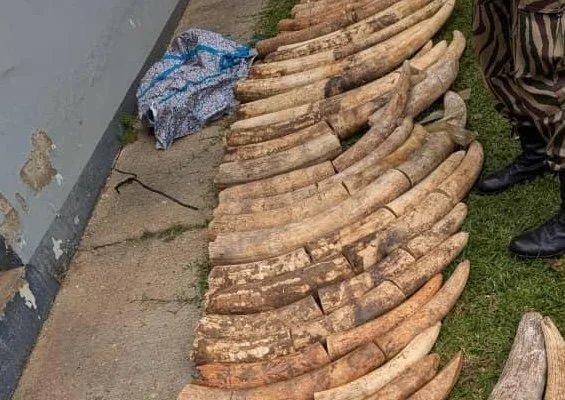
Some of the seized ivory tusks in Lusaka. Credit: EIA
Wildlife authorities in Zambia have arrested ten people who possessed approximately 550kg (1,212 pounds) of ivory tusks.
The arrest, carried out by the Department of National Parks and Wildlife (DNPW), took place in March in a home in the country’s capital of Lusaka.
The Environmental Investigation Agency (EIA), based in the UK, provided information that led to the arrest. Additional ivory was later discovered in a following operation. Nine Zambians were arrested alongside a foreign citizen who is believed to be the buyer of the ivory.
“This operation is one small part of a broader initiative to address alleged organised criminal networks operating in the Southern African region, spanning many countries and involving many nationalities,” said EIA Executive Director Mary Rice. “But it demonstrates what can be achieved when intelligence-led investigations and information are applied in a targeted and strategic manner and we congratulate the DNPW for providing an excellent example of a strong enforcement response.”
For over four decades, EIA has investigated, documented, and exposed illegal wildlife trafficking networks operating throughout Africa. When possible, the agency provides information to authorities to help uncover and halt criminal networks.
The trading of elephant tusks is strictly illegal under Zambia’s Wildlife Act of 2015, prohibiting the trading of elephant body parts and “prescribed trophies” such as tusks.
Rice noted that recent research from CITES’ Monitoring the Illegal Killing of Elephants (MIKE) project shows that elephant poaching in Southern Africa has declined in recent years.
However, seizures still regularly occur, showing that criminal trafficking of ivory is still ongoing in the area. Impunity and insufficient enforcement of existing regulations make it possible for the illegal trade to continue. Corruption and political interference have also allowed convictions to go unenforced or be diminished.
"Zambia has a long history of being exploited by criminal networks who have often operated with impunity, implicating the country in large ivory seizures as far back as 2002," said Rice. "This decisive, well-executed operation is particularly welcome."
Rice added that the networks behind the trade rely on systemic failures to survive. "They exploit any lack of political will and weak enforcement. They are facilitated by corrupt officials and marginalised communities who are criminalised to supply their trade." She added that the syndicates have allegedly been orchestrating poaching expeditions into Botswana, trafficking ivory out through neighboring countries including Namibia and Angola.
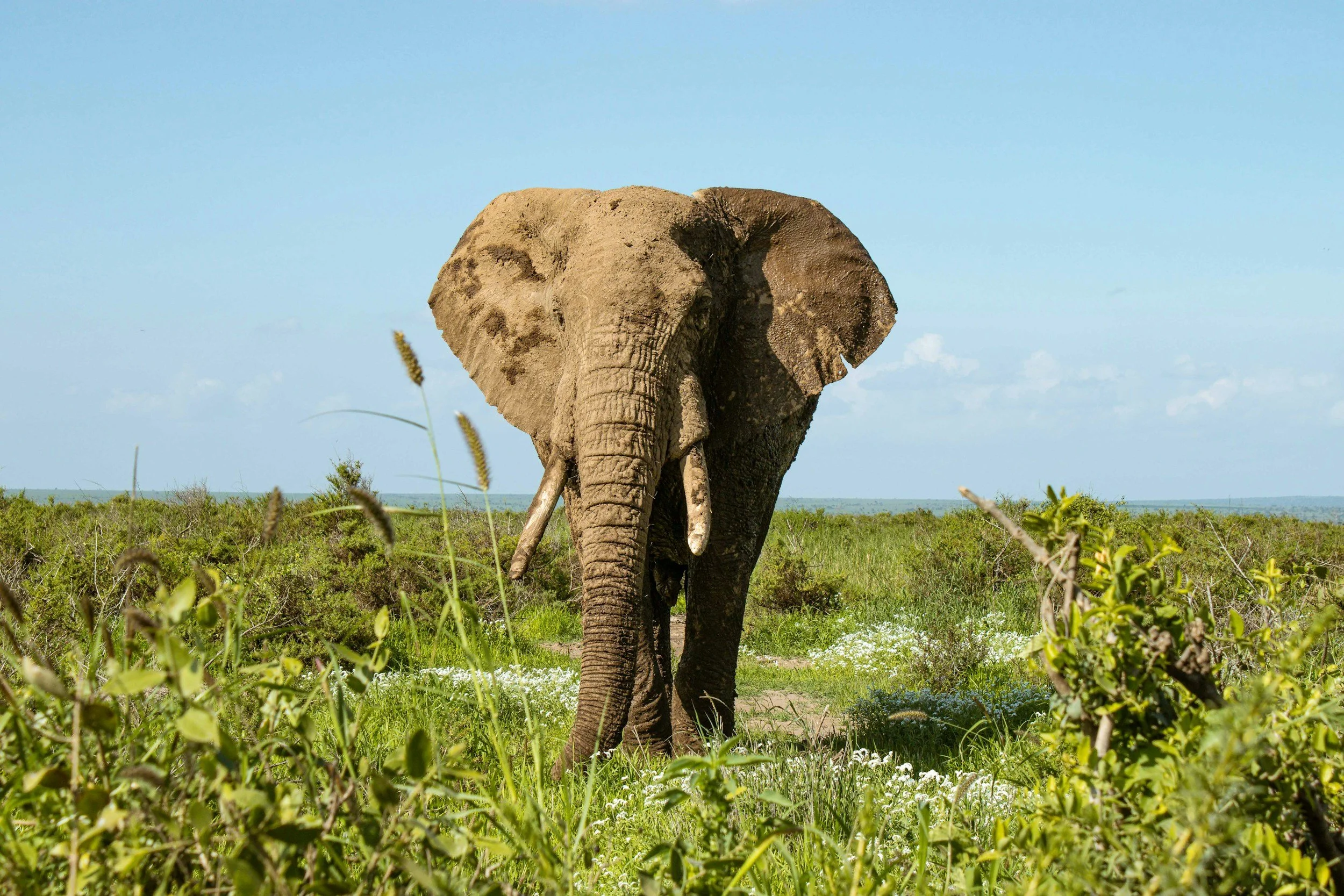
Used to make traditional medicine, jewellery, luxury objects and decorative items, ivory is part of the reason why the African savanna elephant is endangered. 90 percent of Africa’s elephants have been killed by poachers in the last century.
The suspects, believed to be involved in a cross-border trafficking syndicate across the Southern African region, are facing charges of unlawful possession of a prescribed trophy. A court hearing is yet to take place.
We Have A Favor To Ask…
Species Unite amplifies well-researched solutions to some of the most abusive animal industries operating today.
At this crucial moment, with worldwide momentum for change building, it’s vital we share these animal-free solutions with the world - and we need your help.
We’re a nonprofit, and so to keep sharing these solutions, we’re relying on you - with your support, we can continue our essential work in growing a powerful community of animal advocates this year.

Some developers suggest that adopting cultivated meat could also improve animal welfare by significantly reducing the number of farmed animals slaughtered.