
Reformation faces shareholder pressure over wool and leather as animal rights group buys stake
An undercover investigation has found workers kicking, stomping, and dragging sheep by their legs at farms certified under the wool standard behind Reformation's "happy sheep" marketing.
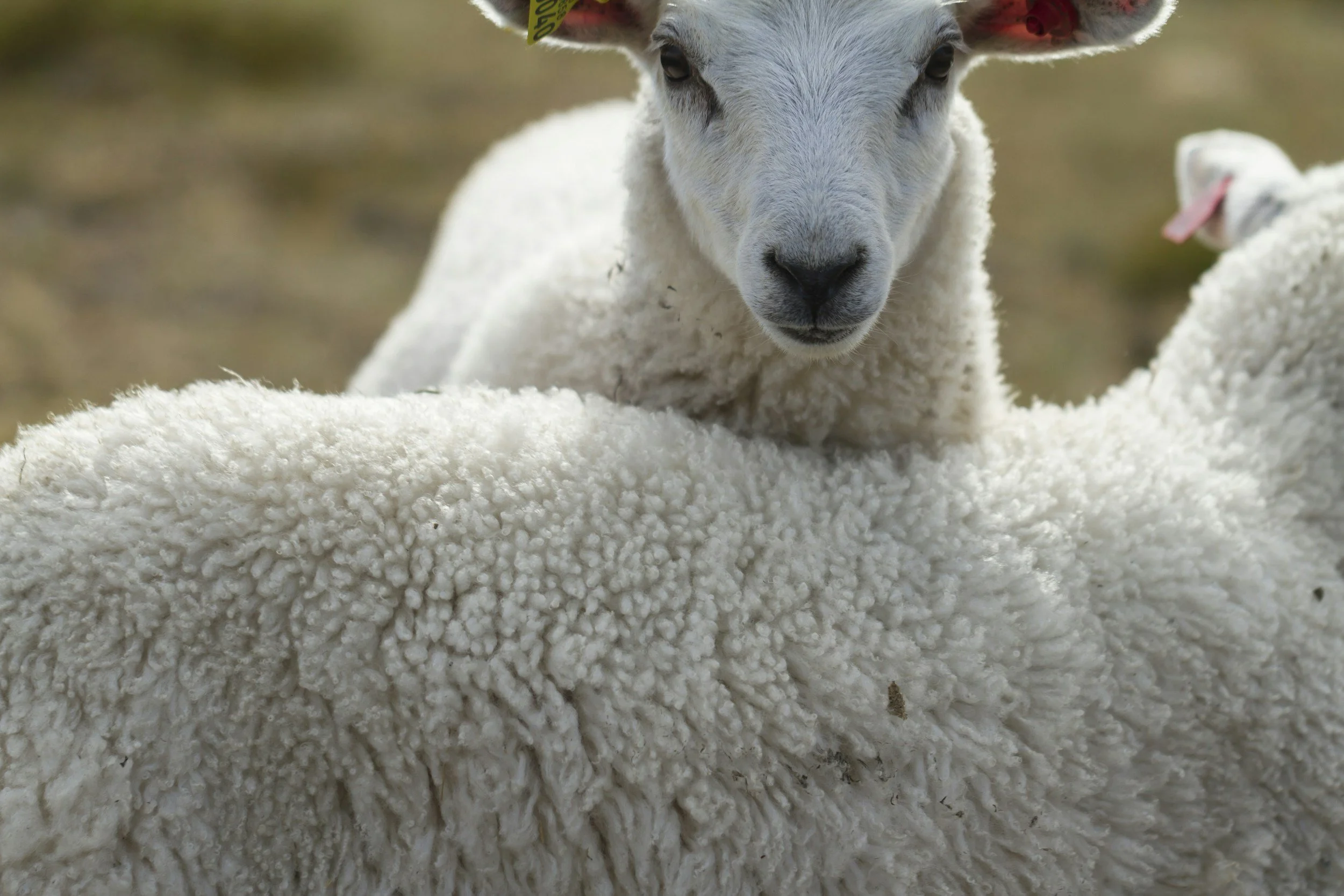
Fashion brand Reformation, which markets its wool as "regeneratively grown" and promises to "keep the sheep happy," debuted on the New York Stock Exchange this month and almost immediately found itself under renewed scrutiny over those claims.
An undercover investigation by PETA Asia into farms certified by the NATIVA standard (the certification behind Reformation's "100% traceable" wool sweaters) documented workers kicking and stomping on sheep and dragging them by their legs. Fast and reckless shearing, done quickly to obtain large quantities of wool, often leaves the animals with bloody wounds, which was also seen in the footage.
The findings prompted animal rights organization PETA to purchase shares in Reformation on its stock market debut. Shareholder activism is part of PETA's tactics - buying stock in a company gives the organization the right to attend shareholder meetings and call for change. PETA has also acquired stock in the likes of Capri Holdings, Tapestry, LVMH, Kering, Target, and Under Armour as part of the same strategy.
PETA confirmed the stake was sufficient to secure attendance at annual shareholder meetings, where the nonprofit intends to pressure executives to stop selling products made from animals’ skins, hair, and wool
PETA previously named Reformation Greenwasher of the Year as part of its Fashion Awards, with the motivation: "Reformation markets itself as a sustainable company that obtains wool from 'happy' sheep, but no amount of fluff can hide that the wool industry is cruel and bloody. Producing animal-derived materials is environmentally destructive and unsustainable."
Reformation has previously rejected PETA's accusations, calling them a "completely false characterisation" and pointing to what it describes as "transparent" disclosures in its published sustainability metrics.
A total of 17 undercover investigations into more than 150 wool-producing facilities on four continents have been conducted by PETA entities. In the videos, workers are seen hitting, kicking, beating, and stomping on the sheep, plus hitting them with metal tools. Several of the investigations were conducted on farms that are certified as “humane” or market themselves as “ethical” and “responsible”. After sheep’s wool production declines, the animals are sent to the slaughterhouse.
"If Reformation wants to live up to its purported values, it'll stop hiding behind greenwashed marketing schemes and rid its shelves of the skin, hair, and wool of abused animals," said PETA President Tracy Reiman. "With this stock purchase, PETA will push Reformation to do right by animals, the planet, and consumers by switching exclusively to luxurious and sustainable vegan materials."
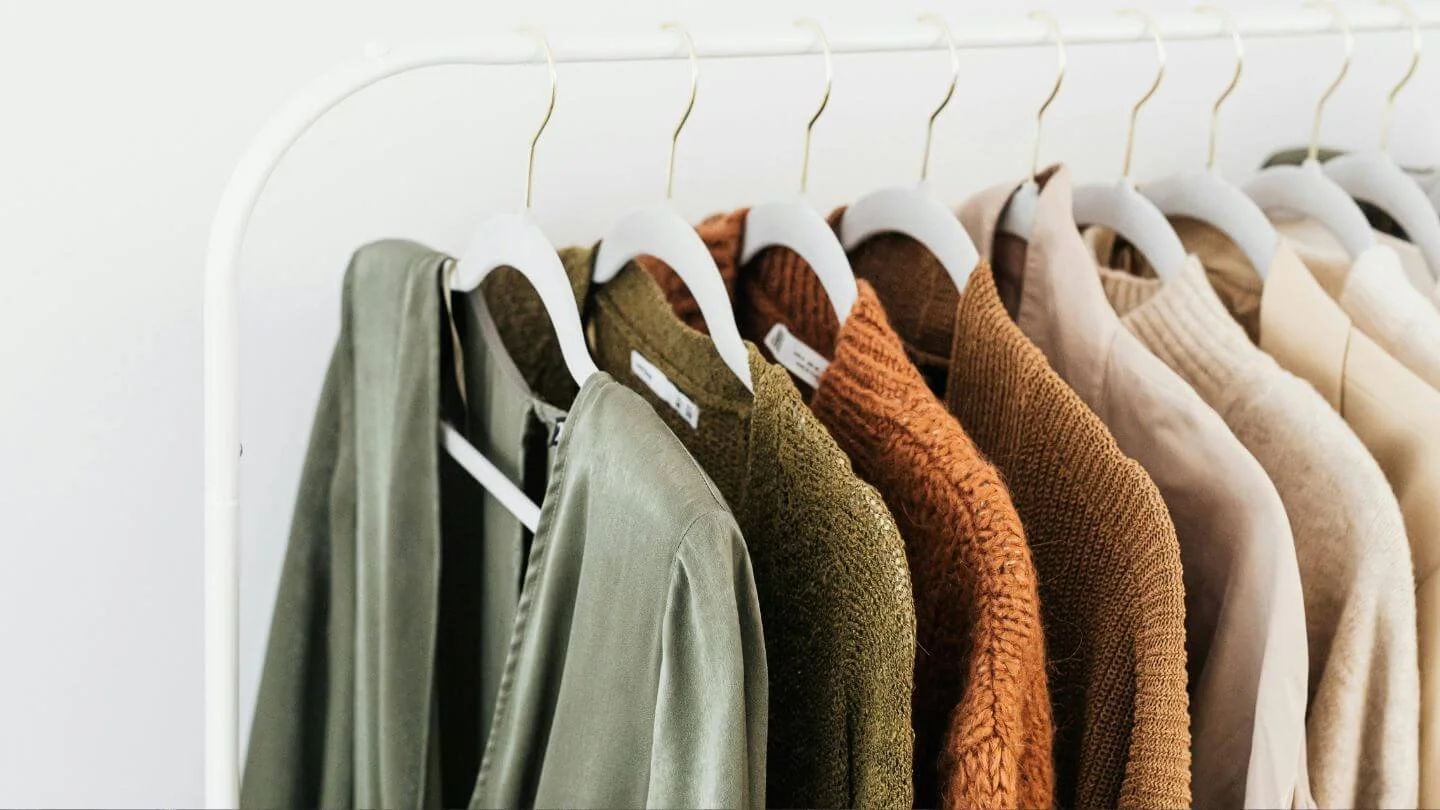
Promoting wool as an environmentally responsible material also overlooks the impact of raising animals for human consumption, climate experts warn. Farmed animals including sheep are major contributors to methane emissions. Urine and feces from farms pollute surrounding soil and waterways, jeopardizing nearby communities. Wool can also drive deforestation: raising large numbers of sheep requires removing natural forests, harming ecosystems and threatening biodiversity.
Plant-based alternatives to wool and other animal-derived knits include organic cotton, sustainably made bamboo, hemp, nettles, soybean, and seaweed.
Last year, PETA launched its first-ever Plant Wool Month, celebrated each November, to promote knitwear made from plants rather than animals or synthetics. Fashion brands that have worked with plant wool include Maison Martin Margiela's hemp range and VIN + OMI's nettle designs.
We Have A Favor To Ask…
Species Unite amplifies well-researched solutions to some of the most abusive animal industries operating today.
At this crucial moment, with worldwide momentum for change building, it’s vital we share these animal-free solutions with the world - and we need your help.
We’re a nonprofit, and so to keep sharing these solutions, we’re relying on you - with your support, we can continue our essential work in growing a powerful community of animal advocates this year.

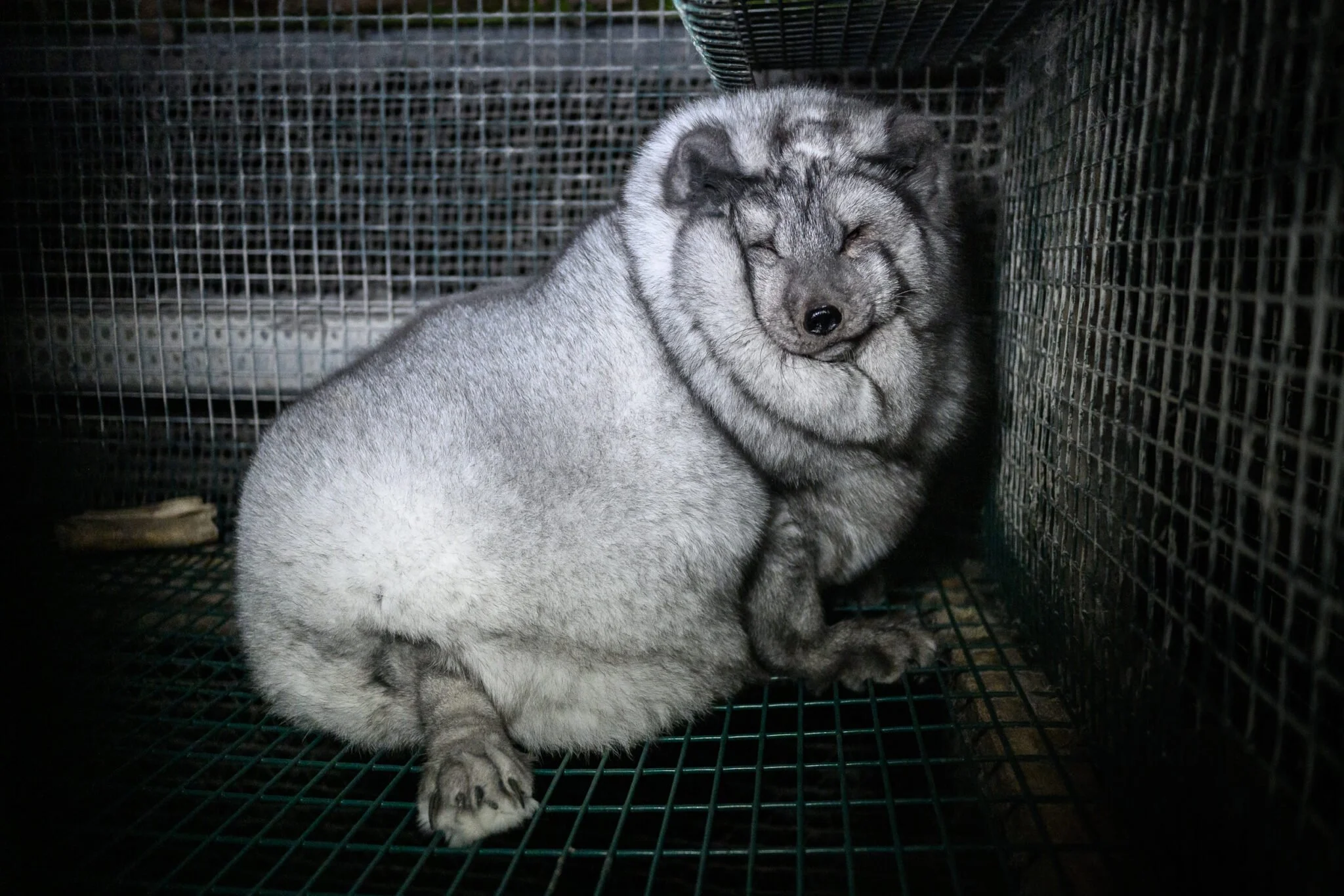

A group of British lawmakers is calling on the Ministry of Defence to end the use of real bearskin caps, as new data shows orders for real bear pelts have surged.