
Environmental impact of animal leather 70% higher than previously believed
New research shows that animal leather’s impact is many times higher than that of vegan alternatives.

Animal leather has a carbon footprint more than 12 times higher than vegan alternatives, and 70 percent higher than previously estimated, according to new research from Cornell University and New York University.
The study, published in ACS Sustainable Chemistry & Engineering, found that the true carbon footprint of cow skin is 187 kilograms of CO2e (carbon dioxide equivalent) per kilogram of finished material. Even the vegan leather with the highest emissions had a carbon footprint 54 percent lower than the average for the tanning phase of animal leather production alone.
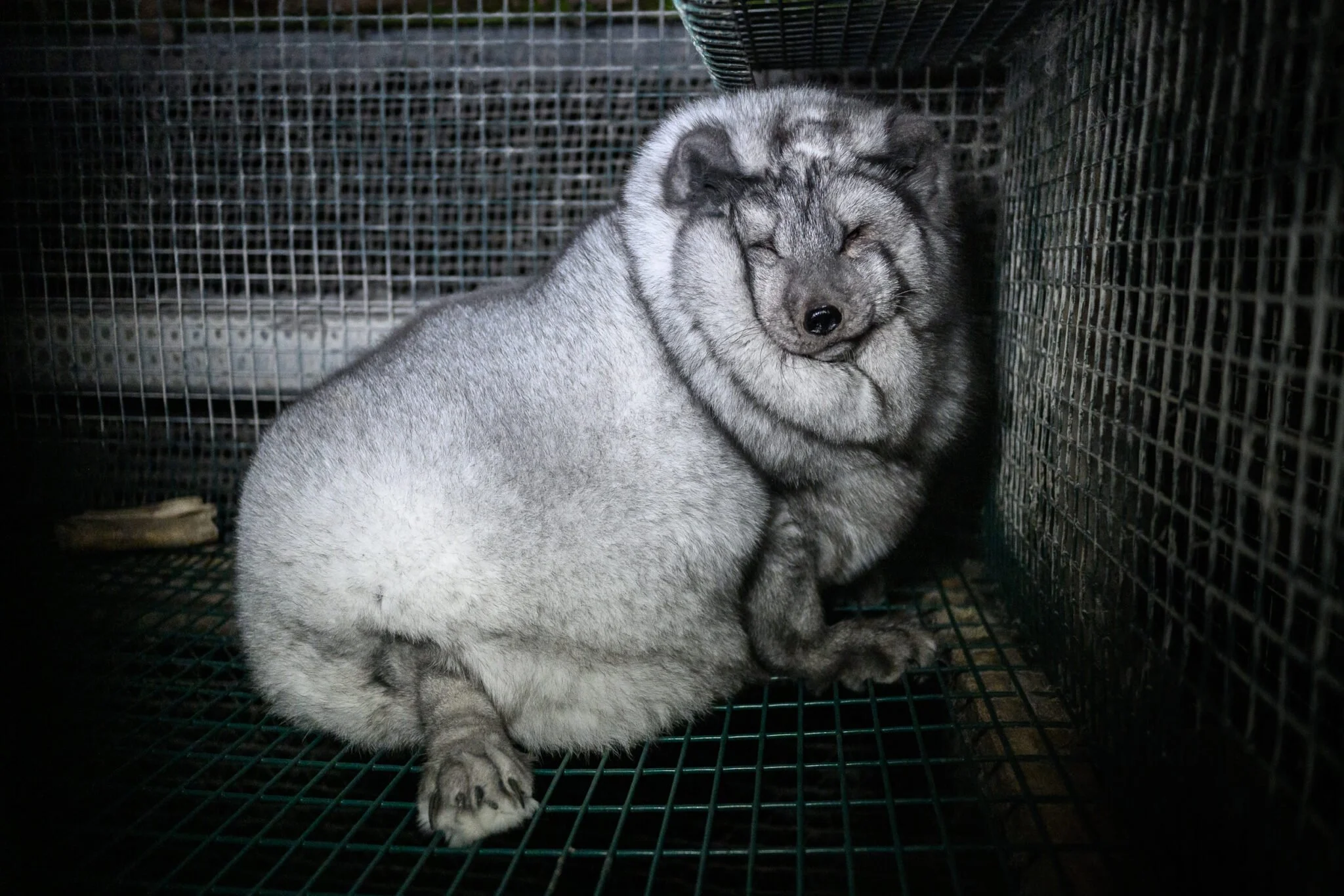
The animal farming phase is the single largest contributor to leather's climate emissions, accounting for 56 percent of its total carbon footprint.
The impact varies based on geographical location: in Europe, on-farm leather emissions arrive at 10kg of CO2e; in Canada, this number is 75kg and in New Zealand, it is 27.4kg.
“Because bio-based leather alternatives have comparatively low emissions, this draws into question animal leather’s reputation as a ‘natural’ alternative to fossil-based textiles,” said Matthew Hayek, a co-author of the study.
The tanning phase alone generates approximately 200 kilograms of non-biodegradable solid waste per 100 square meters of leather produced.

Photo: Amy Jones/Moving Animals
Tanning also severely harms the workers involved. It is estimated that 90 percent of leather tannery workers in Bangladesh will die before age 50 due to exposure to toxic chemicals such as formaldehyde, arsenic, and chromium.
Cancer rates soar in leather-tanning communities, and people of colour are disproportionately affected as they make up the majority of leather tannery workers.
Furthermore, the idea that the largest part of impacts are allocated to dairy products is misleading, as the majority of leather is made from cattle that produce nearly no milk for the dairy industry.
Vegetable tanning, a process that involves fewer toxic chemicals, presents its own challenges. “Vegetable tanning requires months of processing while chrome tanning can be completed in minutes, which makes vegetable tanning less efficient with respect to energy use, potentially increasing GHG emissions in certain cases, while chrome tanning can be more time- and cost-effective in manufacturing on a large scale,” the study read.
Plant-derived leather alternatives, such as those made from mushrooms, corn, apples, and cactus still come with petroleum-derived components, but those are also commonly used in animal leather production.
Synthetic tannins and plastic coating are often used in the making of animal skins.
Vegan leathers can be moved away from synthetics. Plastic-free vegan leather options include Natural Fiber Welding’s MIRUM, Biophilica’s Treekind and Uncaged Innovation’s ELEVATE. The latter has a 97 persent lower greenhouse gas footprint than traditionally made vegan leather, and MycoWorks’ mushroom-derived leather has a 98 percent lower footprint.
“Vegan leather emits much less still than the farming stage of animal production for leather, even when empirically accounting for the fact that meat and dairy products represent most of the commercial value (and economically allocated emissions) of cattle production, while the hides represent a smaller but still meaningful proportion,” the study concluded.
We Have A Favor To Ask…
Species Unite amplifies well-researched solutions to some of the most abusive animal industries operating today.
At this crucial moment, with worldwide momentum for change building, it’s vital we share these animal-free solutions with the world - and we need your help.
We’re a nonprofit, and so to keep sharing these solutions, we’re relying on you - with your support, we can continue our essential work in growing a powerful community of animal advocates this year.

Plant-leather boots, cruelty-free bags, and animal-free versions of your favorite brands - see our full guide to the best cruelty-free alternatives to iconic fashion staples.