
More than 2,200 dangerous wild animals are being kept legally in British homes, new report finds
Dangerous wild animals including snakes, crocodilians, and wild cats being kept privately under licences issued by local authorities, with Born Free criticizing the Dangerous Wild Animals Act 1976 as outdated and ineffective.
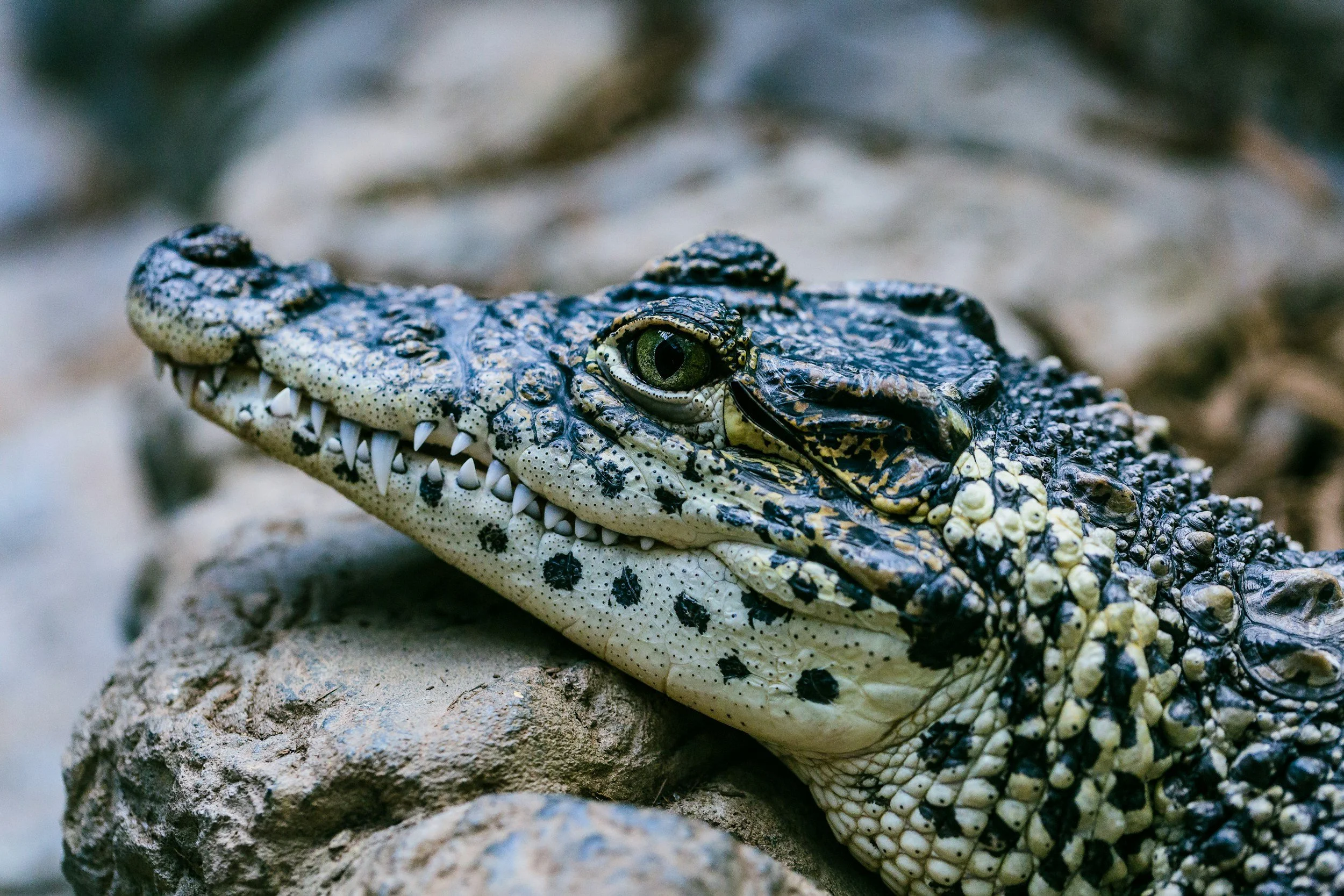
More than 2,200 dangerous wild animals are being kept legally across England, Scotland, and Wales, as the demand for owning venomous snakes and small wild cats and hybrids in particular continues to rise, new data reveals.
For example, there are currently 518 venomous snakes held privately, compared to 403 in 2023. This means there are nearly ten times more venomous snakes kept in British homes than in zoos. Furthermore, licenses have been issued for three of the ‘Big 4’ deadliest snakes, including the world’s most venomous, the saw-scaled viper.
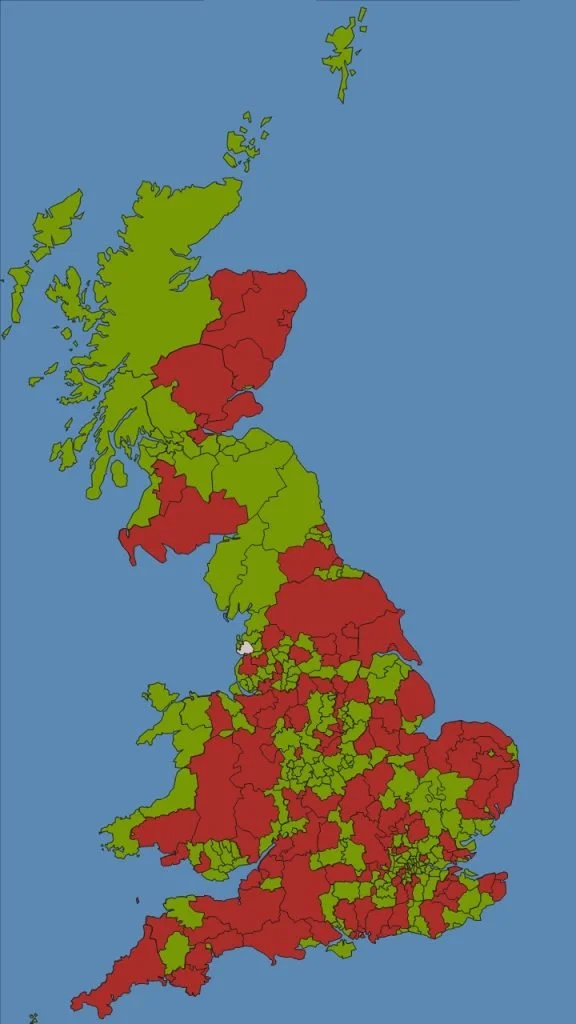
Dangerous wild animal map. Credit: Born Free
A social media craze has also been blamed for the rise in ownership of small wild cats and hybrids, which are the most frequently licensed species.
The data was published last week by Born Free, to coincide with the 50th anniversary of the Dangerous Wild Animals Act 1976 (DWA), introduced to control the private keeping of wild animals.
While some of the wild animals belong to recognized facilities such as sanctuaries and education centers, many are being kept as pets, says Born Free.
“It is staggering that in 2026, dangerous wild animals are still being kept behind closed doors in Britain,” said Kirsty Gallacher, Born Free Patron. “They suffer greatly in captivity, and keeping them in private hands puts both people and the animals at risk.”
An interactive online map, collected from local authorities and compiled by Born Free, allows users to check which dangerous wild animals in their area have been licensed under the DWA.
In addition to the record number of venomous snakes, the British government has given licences for the keeping of nearly 300 primates; 166 wild cats like lions and lynx; and 79 crocodilians.
“A licence to keep a dangerous wild animal does not mean that the animal is safe, happy or thriving – it simply means someone has permission to possess them,” said Lindsay McKenna, Founder of Wildside Exotic Rescue in Herefordshire. “Wild animals are not pets that need better owners; they are wild creatures that should never be kept as status symbols, for entertainment, or as private possessions.”
McKenna says she has seen firsthand the physical and mental suffering of wild animals kept as pets. The charity and rescue currently cares for over 200 wild or dangerous animals, many of which were obtained under the DWA and have come from private homes.
In an interview with the BBC, McKenna referred to the case of two mountain lions, Taylor and Tyson, who she is now looking after. Raised as cubs, they had been kept in a small concrete cage in the back garden of their owner’s bungalow.
According to the DWA, the minimum recommended enclosure size for a mountain lion is 28 square meters – the size of an average lounge. “I wouldn’t even put one of my 11 mountain lions in a 28 square meter enclosure for an hour, let alone a lifetime,” said McKenna.
McKenna feels the DWA is “outdated,” and is supporting a new petition launched by Born Free, which demands the UK government conduct an urgent and comprehensive review not only of the Act but of the entire legal framework that allows the trade and private keeping of wild animals.
“Wild animals should never ever be kept as pets, no matter how much we feel we could give them a wonderful home,” said Dame Joanna Lumley, Founder Patron of Born Free. “It is shocking that so many are still being legally kept in private hands, propping up a cruel and ghastly trade.”
Take the 30 Days of Action for Animals challenge: This August, we're challenging you to take one action for animals every single day. From signing petitions and contacting lawmakers to making different choices at the dinner table, every action adds up. Sign up now to get your first action from tomorrow.
Species Unite News is a weekly round-up of the most important animal stories happening around the world. Join over 250,000 others who start their week with the latest animal stories delivered straight to their inbox.
We Have A Favor To Ask…
Species Unite amplifies well-researched solutions to some of the most abusive animal industries operating today.
At this crucial moment, with worldwide momentum for change building, it’s vital we share these animal-free solutions with the world - and we need your help.
We’re a nonprofit, and so to keep sharing these solutions, we’re relying on you - with your support, we can continue our essential work in growing a powerful community of animal advocates this year.
More stories:

A cleaner New York Harbor has drawn hundreds of humpback whales back to its waters for the first time in generations, but the same busy port that welcomes them is also killing them.