
Huge ivory seizure in Tanzania raises questions about follow-up investigations and prosecutions
Campaigners are worried that the suspect arrested in possession of over 500 elephant tusks may escape justice, like other major traffickers recently have in Tanzania.
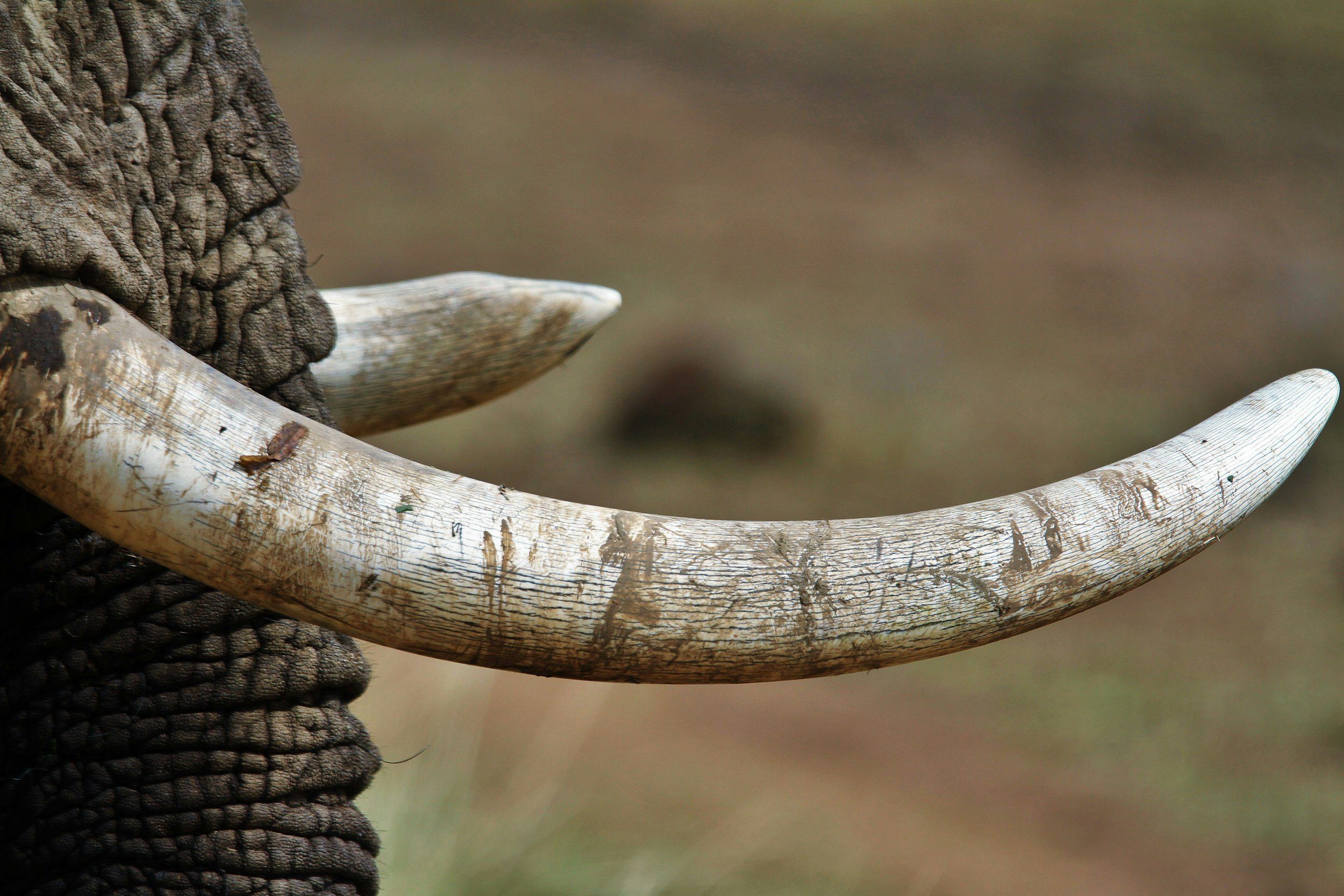
A man recently arrested in Tanzania was in possession of more than 500 elephant tusks, worth around $2.3 million.
According to local news reports, Un Hyok Ra – a 37-year-old North Korean – was in the process of trading the tusks.
He had been remanded in custody following his arrest in April at a hotel in Dar es Salaam, and was due in court on June 9, to answer charges of unlawful possession of ivory, and the intent to trade it.
However, there has since been no press coverage or updates from the authorities. Campaigners are concerned that the case may go the way of other trafficking cases in Tanzania, in which little information is provided – either to the public or to international agencies and relevant stakeholders – regarding the outcomes of investigations and prosecutions.
Rachel Mackenna, head of the elephant campaign at the Environmental Investigation Agency (EIA), told Mongabay that “seizures and arrests alone are not an enforcement outcome in and of themselves.”
Worse still, the recent arrests and convictions of high-profile traffickers in Tanzania have ultimately led to successful appeals, presidential pardons, or soft sentences.
Notably, in 2019, Yang Fenglan was convicted by a Tanzanian court of smuggling over 800 elephant tusks with a value of around $6.5 million. Dubbed ‘the Ivory Queen’, the Chinese national was alleged to have run the biggest ivory trafficking cartel in Africa.
Despite being sentenced to 15 years in jail, and having a High Court appeal rejected in 2021, Yang was quietly released in 2022 on a presidential pardon.
Tanzanian native Mateso Kasian was also convicted in 2019, on separate charges of ivory trafficking. Mateso is suspected of leading poaching gangs that killed thousands of elephants across Tanzania and Mozambique since 2012. As such, he had been the focus of years-long investigation work by Tanzanian and Mozambican authorities and conservation NGOs.
Mateso was fined around $215, and told to forfeit two properties. According to recommendations set out by the country’s own wildlife crimes legislation, the fine should be no less than twice the value of the ‘trophy’ or wildlife product involved – in this case, the equivalent of $335,000.
An appeal by Tanzania’s Director of Public Prosecutions seeking a tougher sentence only resulted in even lesser punishment for Mateso. Not only was the original fine upheld, but the judge found that the order for forfeiture of Mateso’s two houses did not properly specify the properties, and so was quashed altogether.
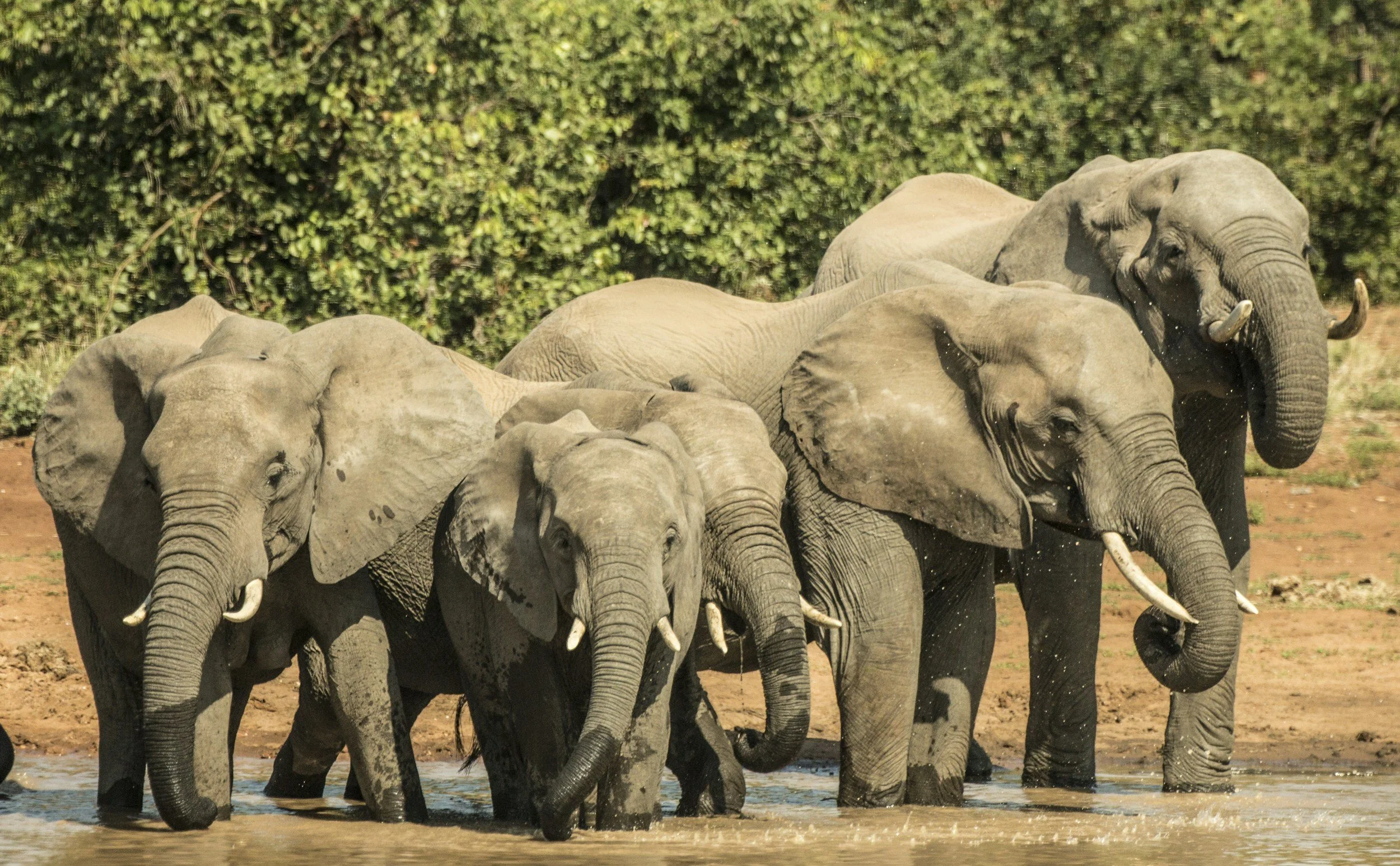
Boniface Mathew Malyango is perhaps the most infamous trafficker in Tanzania to have avoided justice, having featured in The Ivory Game, a 2016 documentary exec-produced by Leonardo DiCaprio.
Known as Shetani (‘Satan’), he allegedly ordered the killings of up to 10,000 elephants as the head of poaching gangs in Tanzania, Burundi, Mozambique, Zambia, and southern Kenya. In 2017, Shetani was convicted of collecting, transporting, and selling 118 elephant tusks totaling almost $1 million.
Sentenced to 12 years in prison, Shetani had his conviction overturned by Tanzania’s Court of Appeal in June 2020. According to the judge, the police had failed to present enough evidence; in particular, their case was undermined by over-reliance on confessions, and a lack of forensic examinations.
Shamini Jayanathan, a Kenya-based criminal barrister working on illegal wildlife trafficking, said the police needed to receive better training. “In my experience, there is very little training done on interviews of suspects and the need to build a case regardless of what a suspect may say,” she told the Global Initiative against Transnational Organized Crime, in an email of 2021.
For a country that was once seen as the epicenter of ivory poaching – with its elephant population falling by 60,000 (60 percent) between 2009 and 2014 – the lack of justice served to major traffickers is particularly disappointing.
While appreciating that efforts to seize illegal ivory have increased – there were 50 seizures in Tanzania between 2021 and 2025, according to EIA – Mackenna has urged the authorities to share information about the status of prosecutions, the recovery of proceeds of crime, and the punishments imposed on those found guilty. All this would help, she says, in sending a clear message that Tanzania is serious about ending ivory poaching.
Species Unite News is a weekly round-up of the most important animal stories happening around the world. Join over 200,000 others who start their week with the latest animal stories delivered straight to their inbox.
We Have A Favor To Ask…
Species Unite amplifies well-researched solutions to some of the most abusive animal industries operating today.
At this crucial moment, with worldwide momentum for change building, it’s vital we share these animal-free solutions with the world - and we need your help.
We’re a nonprofit, and so to keep sharing these solutions, we’re relying on you - with your support, we can continue our essential work in growing a powerful community of animal advocates this year.
More stories:
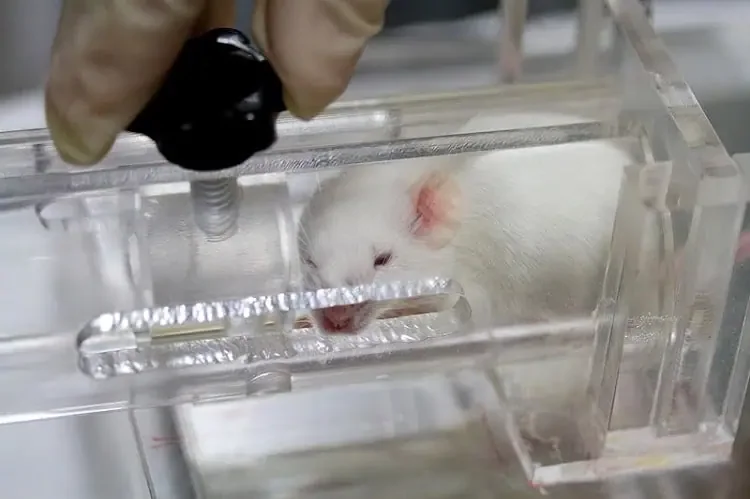
Significant investment and revised regulations across four government agencies are part of an ongoing effort to support innovative scientific research ahead of “outdated” testing on animals.