
EPA abandons target date for animal testing phase-out - but expands list of alternatives
2035 target no longer mentioned in new updates, but steps are being taken towards replacement.
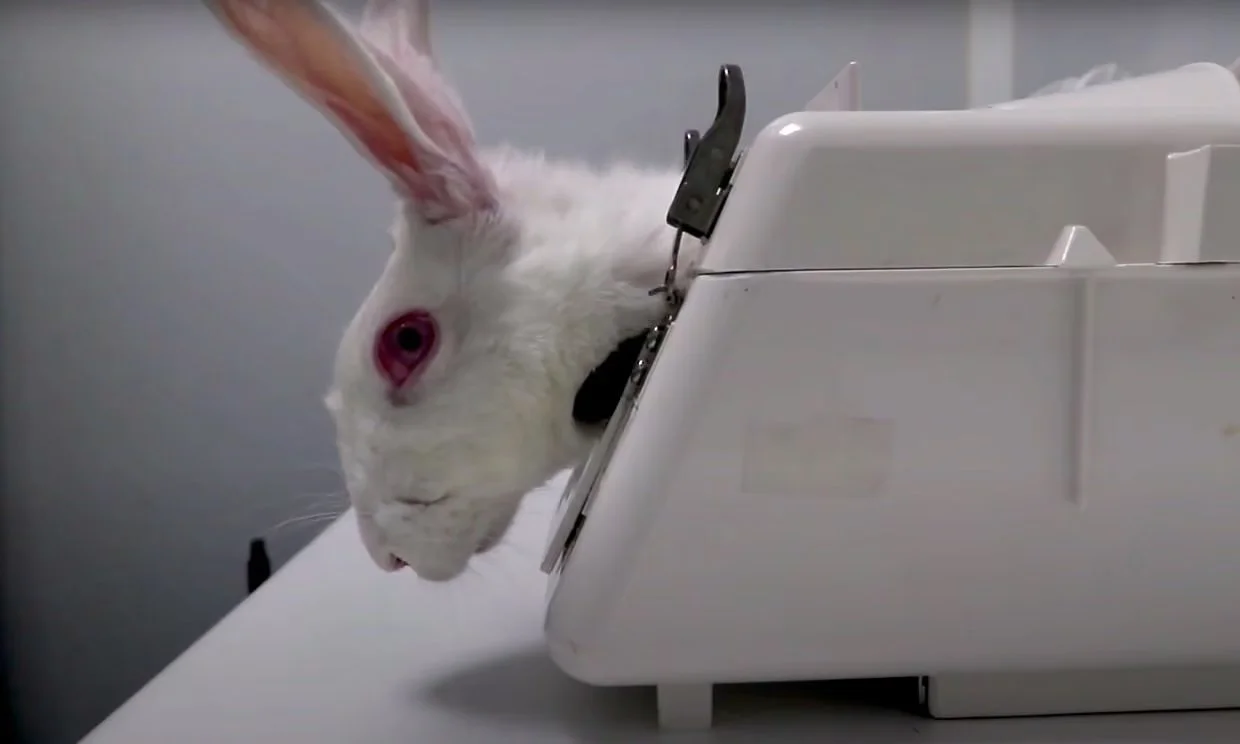
Credit: Cruelty Free International
The Environmental Protection Agency (EPA) has quietly dropped its 2035 target date for ending the use of mammals in toxicity testing.
Announced in September 2019, the target date had disappeared from a 2021 New Approach Methods Work Plan update for chemical assessments under the Toxic Substances Control Act (TSCA), which only recently came to light in the media.
Former EPA administrator Andrew Wheeler—who signed the 2019 update—has said that he worries that, without the 2035 deadline, “the status quo will continue.”
According to reports, over 775,000 animals were used in US laboratories in the 2024 fiscal year.
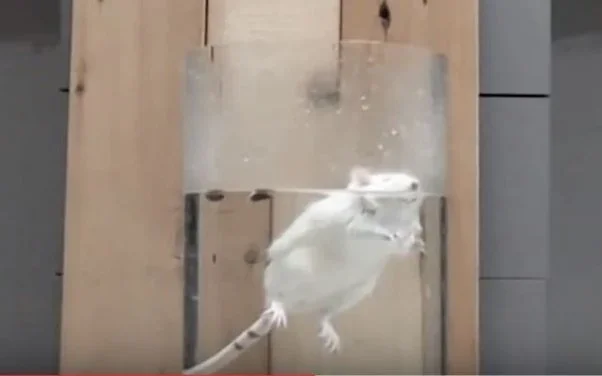
Photo: PETA
However, for the first time in five years, the EPA is expanding its list of alternatives to animal experimentation - and it has publicly asserted that removing the target date will allow focus to remain on the progress rather than the timelines.
The New Approach Methods Work Plan includes 13 new non-animal methods, as well as a streamlined process for companies, researchers, and stakeholders to nominate other alternative methods for review. Its new approach methods include alternatives to animal experimentation such as organoids (artificially grown masses of cells or tissues) and organs-on-chips (small polymer chips laced with human cells) to mimic the human body’s responses to certain chemicals.
The New Approach Methods Work Plan featured a broader goal to include all vertebrate animals (such as rats, dogs, rabbits and mice) in its plan to reduce animal experimentation. Currently, the EPA is using thousands of mice, rats, rabbits, and fish each year in pesticide and chemical testing.
“With today’s announcement, we’re accelerating the shift to modern, gold standard science – without the use of animal testing – by using new, innovative methods to review chemicals,” said EPA administrator Lee Zeldin. “By broadening high-quality alternatives and inviting strong new candidates, we can deliver faster, more protective decisions while reducing animal testing.”
The new developments include new methods of evaluating eye hazards using reconstructed human cells, methods to evaluate phototoxicity with a 3D human cell-based tissue model, and more.
These developments may spare animals from a life in a barren cage with little enrichment, with very little semblance of anything that makes life worth living for them.
They may be subjected to painful procedures over and over again, and nearly all of them will be killed when the experiment is over. In 2024, animal use in US laboratories dropped by almost 10 percent.
Multiple studies have indicated that animal-based research is flawed and can be highly inefficient when it comes to application in humans. Often found unreliable and misleading, animal studies are being replaced by more cutting-edge technologies such as those adopted by the EPA in its new plan.
A bipartisan group of U.S. Senators, have introduced the FDA Modernization Act 3.0. (S.355), which will force the FDA to finally update its regulations and end mandatory drug testing on animals once and for all. Please reach out to your representatives and urge them to do the right thing by cosponsoring the FDA Modernization Act 3.0. Send your direct message here - it takes 30 seconds.
We Have A Favor To Ask…
Species Unite amplifies well-researched solutions to some of the most abusive animal industries operating today.
At this crucial moment, with worldwide momentum for change building, it’s vital we share these animal-free solutions with the world - and we need your help.
We’re a nonprofit, and so to keep sharing these solutions, we’re relying on you - with your support, we can continue our essential work in growing a powerful community of animal advocates this year.



A new report finds that while overall salmonella rates are falling, the most severe, drug-resistant strains are rising across the US poultry industry, with the largest producers showing the highest rates.