
28 beluga whales are to be moved from a shuttered theme park in Canada to four US aquariums
Marineland Canada has faced criticism from campaigners over its poor animal welfare record, and for threatening to euthanize the whales, amid a two-year battle to relocate them.
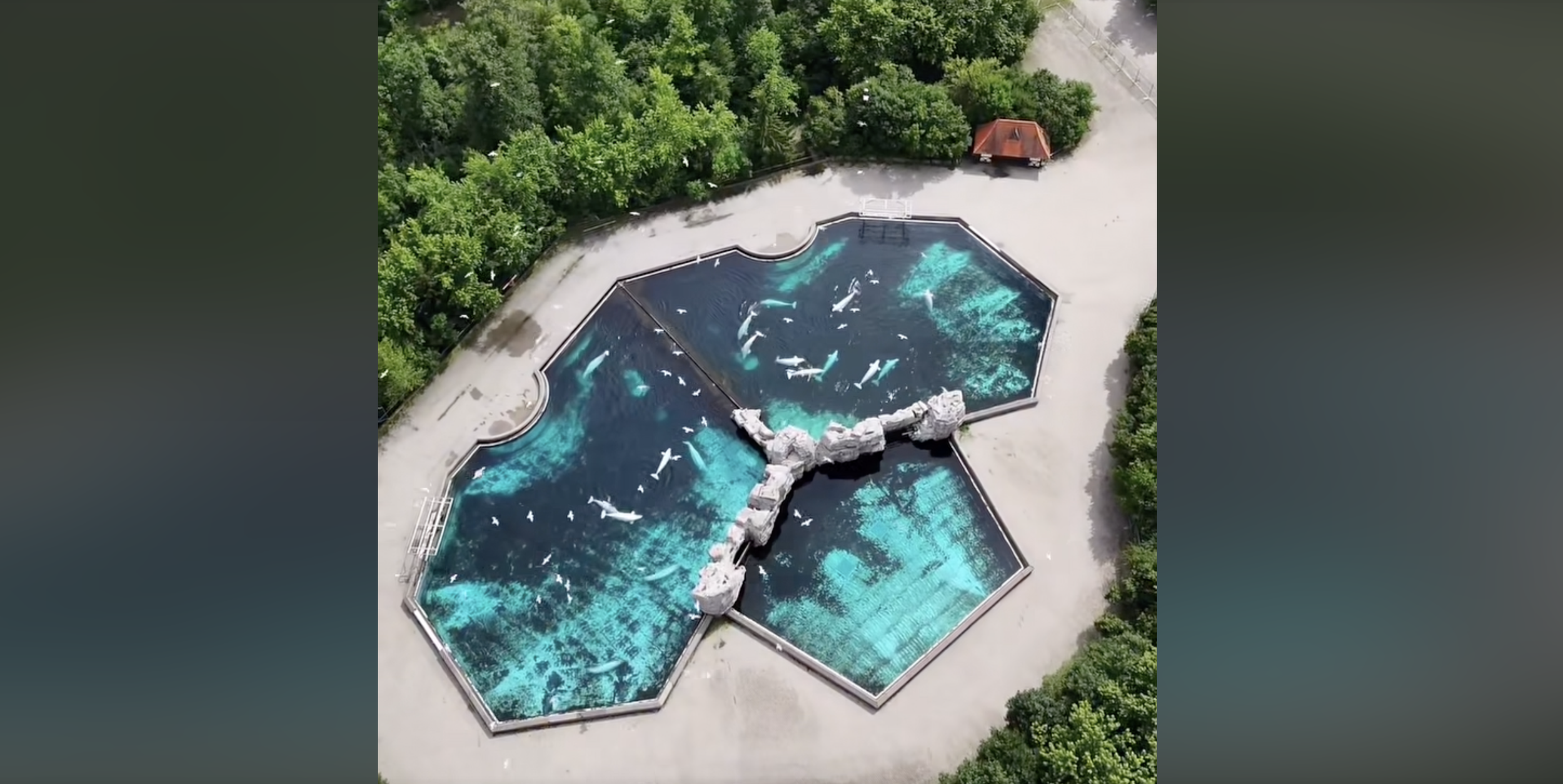
Credit: Tidebreakers
The National Oceanic and Atmospheric Administration has approved the emergency import of 28 beluga whales from a controversial theme park, zoo, and aquarium in Niagara Falls, Ontario, to four aquariums across the US.
The agreement will see the whales transferred from Marineland Canada and shared between SeaWorld San Antonio (13), SeaWorld San Diego (three), Georgia Aquarium (two), and Shedd Aquarium, Chicago (ten). The park’s remaining two whales will go to Oceanogràfic València in Spain.
The 30 whales at Marineland Canada represent the largest captive whale population in the world. Over the years, 88 whales have lived there, of which 36 were captured from the ocean. The other 52 are their children and grandchildren.
Following its closure in 2024, Marineland Canada has struggled to provide adequate care for the animals. They have been languishing in the park ever since, as the tanks fall into disrepair and staff numbers dwindle.
Their plight made international headlines in October 2025, when Marineland threatened to euthanize the whales, after Canada’s fisheries minister blocked a proposed sale to Chimelong Ocean Kingdom in China.
“I could not in good conscience approve an export that would perpetuate the treatment these belugas have endured,” said Joanne Thompson, in a statement made at the time. “Like many of you, I am angered that these whales have lived a life of captivity and as a result their health has deteriorated.”
Marineland Canada – once a popular venue that housed over 4,000 animals and welcomed millions of visitors – has endured various controversies in recent years.
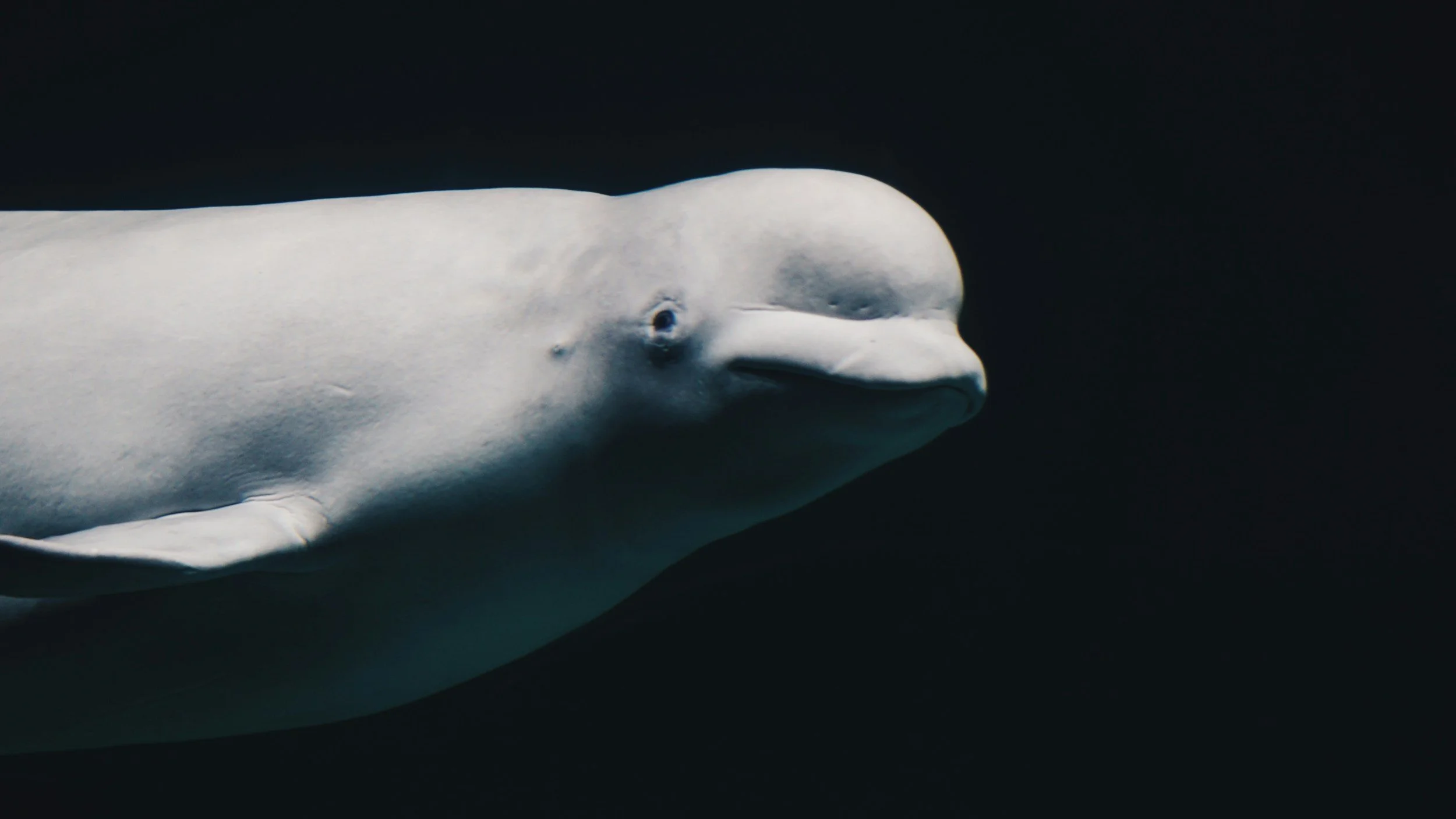
Notably, 19 beluga whales have died at the park since 2019, according to documents compiled by the Canadian Press. While Marineland attributes this to natural mortality, campaigners say the alarming death toll reflects the whales’ poor living conditions.
In 2021, Marineland sent five belugas via cargo plane to Mystic Aquarium in Connecticut, three of whom died within six months of completing the traumatic journey. Of the two surviving belugas, Jetta had been taken from her mother, Skyla.
Campaigners say this would have caused immense suffering to both, as family pods stay together for life, with belugas forming especially powerful bonds between mother and daughter.
Skyla had earlier witnessed the death of her other daughter, Skoot, who was attacked at Marineland by two older males in 2011.
Furthermore, provincial inspectors to Marineland issued 33 orders for compliance between 2020 and 2024, while Animal Welfare Services declared that all marine mammals in the park were in distress due to poor water quality, following an investigation of 2020.
Visitor numbers to Marineland started dropping significantly, and its demise was accelerated by the 2018 death of its founder, John Holer, and the introduction of federal laws against whale captivity in 2019.
But despite the latest developments, campaigners have mixed feelings about what lies ahead for the Marineland whales.
Kaitlyn Mitchell, a lawyer at Animal Justice, said the whales – who have “for years languished in decrepit, deteriorating tanks” – will need to be individually assessed to ensure they are fit enough for long-distance travel. As for the move itself, Mitchell expressed disappointment that it would be to another aquarium, rather than to a sanctuary.
“The sad reality is that transfer to other aquariums is likely the least worst option for many of these whales and dolphins, but Canada should be prioritizing sending as many of the animals as possible to sanctuaries,” added Mitchell.
According to The Whale Sanctuary Project (WSP), while the Ending the Captivity of Whales and Dolphins Act was “groundbreaking legislation,” ultimately there aren’t enough sanctuaries to look after the animals once they retire from the entertainment industry.
As such, WSP has been working on its own sanctuary, comprising hundreds of acres of penned-in ocean. There were hopes that the whales at Marineland Canada might become its first residents, but the facility, in Nova Scotia, Canada, is not yet ready.
Responding to the decision to transfer the whales to US aquariums, WSP said: “While this is a sad outcome, it will at least be preferable to the crowded and grossly sub-par conditions to which the whales have been subjected. And the facilities to which they will be distributed will be under more pressure than was the case at Marineland to be transparent about their health and welfare.”
An important bill that could make a real difference for whales is the Strengthening Welfare in Marine Settings (SWIMS) Act, which seeks to phase out the keeping of large whales in captivity in the United States. Join Species Unite in urging Congress to reintroduce and pass SWIMS Act by signing our petition here.
Species Unite News is a weekly round-up of the most important animal stories happening around the world. Join over 250,000 others who start their week with the latest animal stories delivered straight to their inbox.
We Have A Favor To Ask…
Species Unite amplifies well-researched solutions to some of the most abusive animal industries operating today.
At this crucial moment, with worldwide momentum for change building, it’s vital we share these animal-free solutions with the world - and we need your help.
We’re a nonprofit, and so to keep sharing these solutions, we’re relying on you - with your support, we can continue our essential work in growing a powerful community of animal advocates this year.
More stories:
Wildlife cameras, night-vision binoculars, GPS devices, fire sensors, and snowshoes are among the items that have been available to borrow free of charge at a new public nature library.