
Wildlife population sizes decline 73% globally, but there’s still hope, report finds
Experts say how the world produces food is where action is needed next, as a major report finds some species recovering while monitored wildlife populations have fallen by an average of 73%.
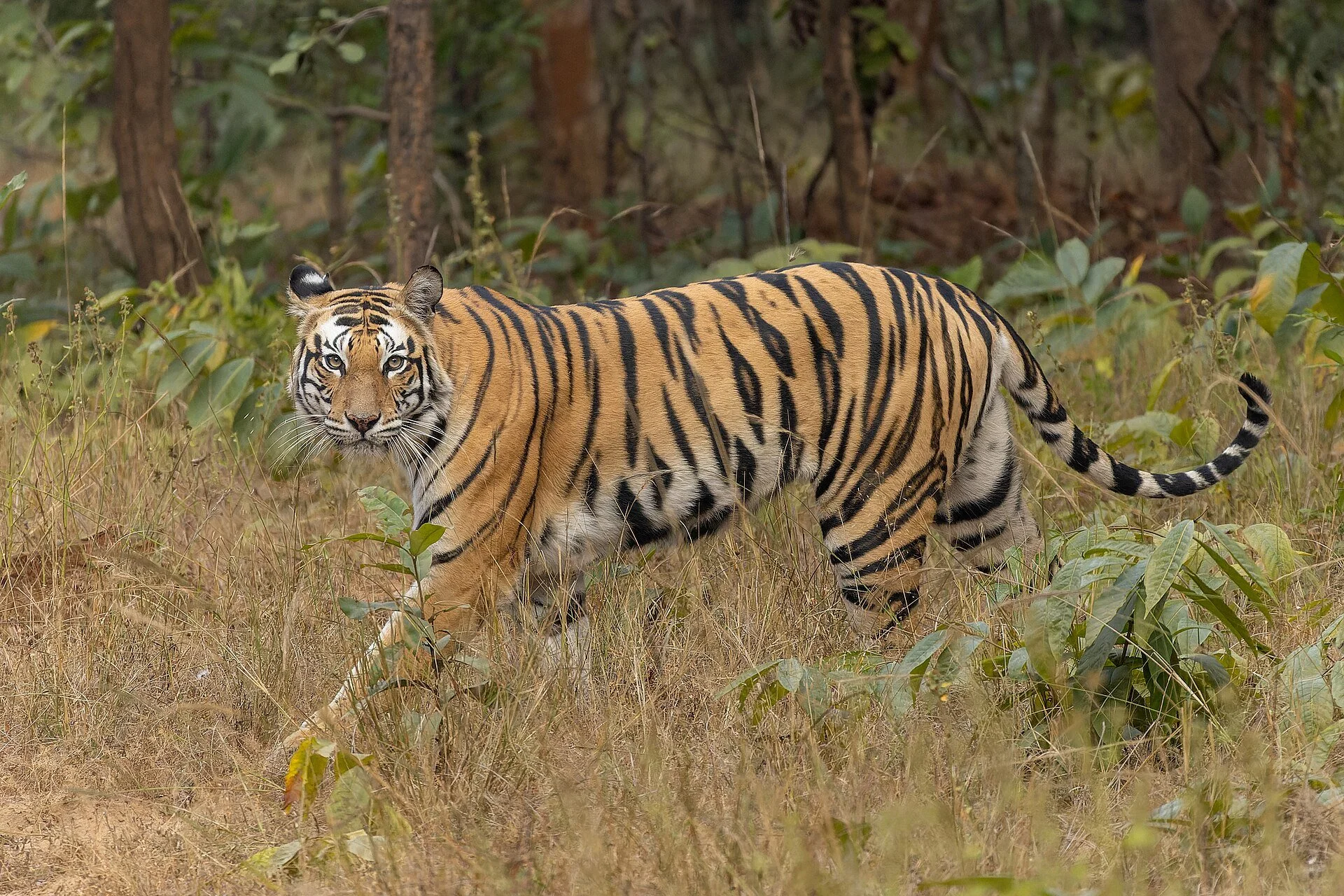
Bengal tiger (Panthera tigris tigris) in Sanjay Dubri Tiger Reserve, Madhya Pradesh, India. Credit: Tisha Mukherjee, CC BY-SA 4.0, via Wikimedia Commons
Wild tigers, tuna, and sea turtles are making conservation comebacks, shows a new report, giving scientists hope that nature loss can be reversed. But experts are highlighting that food production must be the next turning point to mitigate the biodiversity crisis.
The report, Living Planet Report 2026: The Science of Hope, by The World Wildlife Fund (WWF), studied nearly 36,000 animal populations and nearly 6,000 species, resulting in the largest-ever vertebrate wildlife database
Some of the findings indicated that populations had been declining by an average of 73% between 1970 and 2022. The highest rates of decline were found in tropical areas which are rich in biodiversity, whereas more northern climates experienced smaller declines.
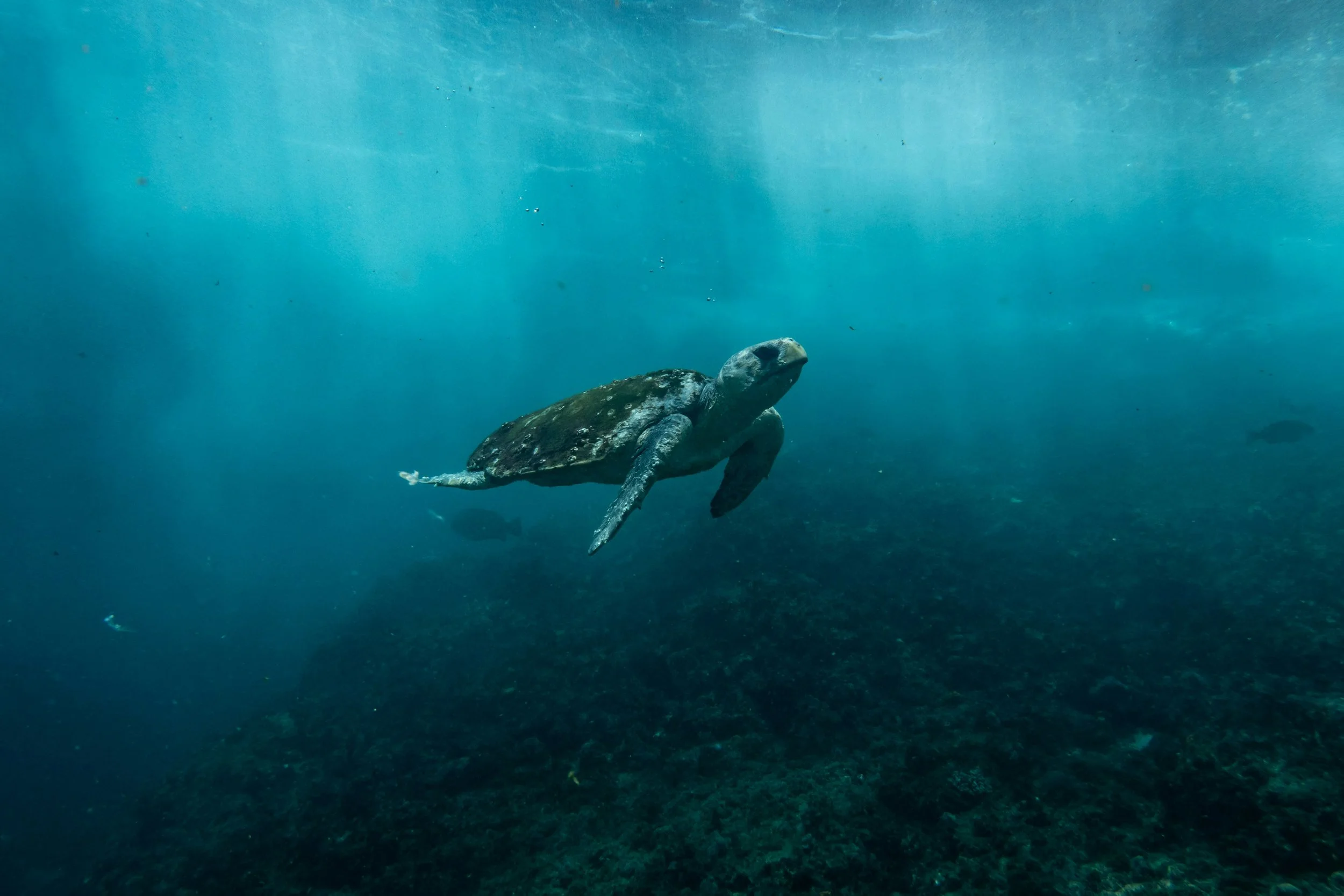
But despite the drops, the report found signs of recovery in some species, including (Panthera tigris), green sea turtles (Chelonia mydas), and Atlantic bluefin tuna (Thunnus thynnus) and Pacific bluefin tuna (Thunnus orientalis) . The report said this is proof that “it is still possible to reverse the global loss of nature when action is taken.”
One area where experts say action is needed is food production. Dr. Mike Barrett, the chief scientific adviser for WWF UK and a co-author of the report, told the Guardian: “Agriculture is the single largest cause of habitat loss and degradation and therefore the loss of biodiversity. It’s also a major source of greenhouse gas emissions and so helps drive climate change, so you have that feedback.”
Dr Steve Smith, a research fellow from the University of Exeter and a co-author of the report, said: “The biggest prize for nature recovery would be a sustainable and healthy food system, but it’s currently the farthest away from positively tipping. For example, agricultural expansion drives almost 90% of deforestation worldwide.”
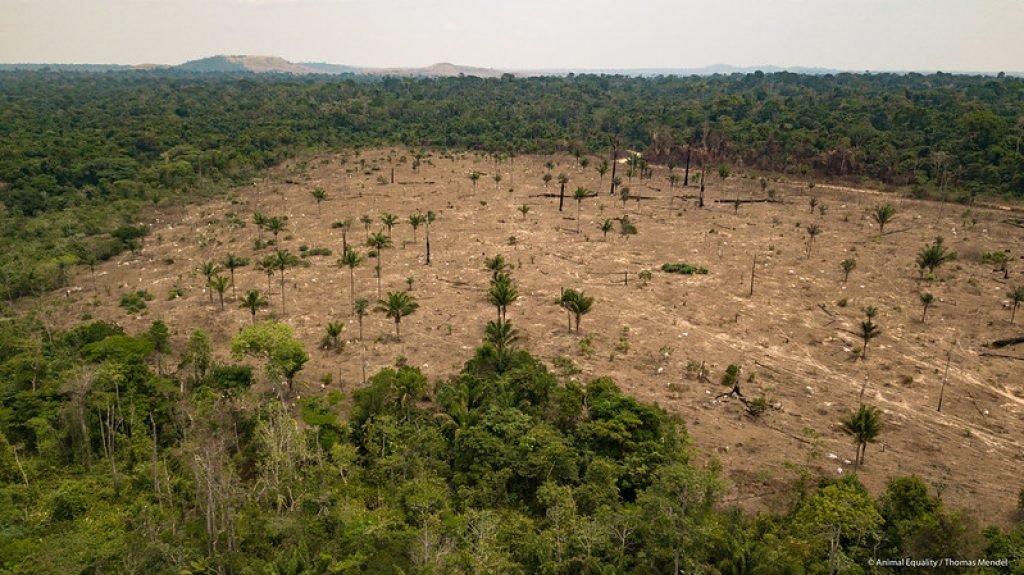
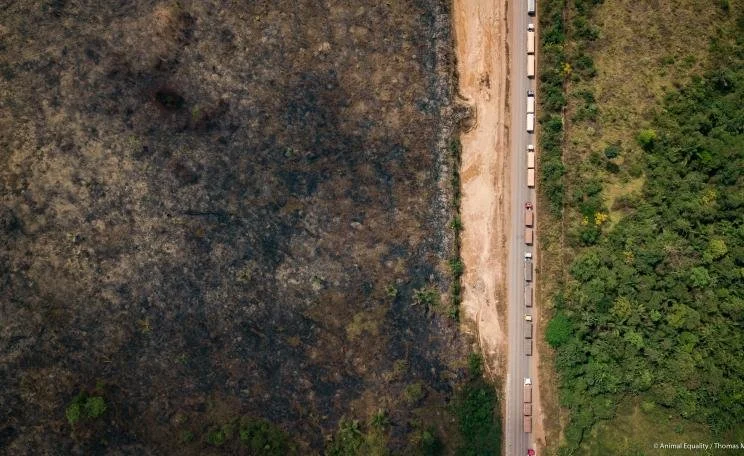
Cleared, deforested plots of land within the Amazon rainforest in Brazil. Credit: Animal Equality/Thomas MendelScientific data links animal agriculture to the climate crisis. Raising billions of animals for human consumption contributes significantly to water pollution, deforestation, and greenhouse-gas emissions, including methane, a greenhouse gas with many times the global warming potential of CO2.
A report co-authored by the UN Environment Programme (UNEP) and Chatham House highlights that consumption and production of livestock is a massive force behind land use change and habitat destruction globally, noting that the disproportionate impact of animal agriculture on land use is driving global biodiversity loss.
Native plants and animals are cleared for monocrops grown for animal feed, with data from Our World in Data confirming that around 77% of the world’s soy is used specifically to feed farm animals.
The UNEP and Chatham House report found that the loss of a multitude of species represented “an existential threat to economic stability, geopolitical security and human wellbeing”.
Crucially, a landmark modeling study published in PLOS Climate found that a rapid 15-year global phase-out of animal agriculture, paired with biomass recovery on cleared land, has the potential to completely stabilize greenhouse gas levels for three decades.
“Nature loss is not just a crisis for wildlife,” says Tania Steele, WWF chief executive. “It’s already sending us the bill through growing risks to our food security, water supplies, economy and resilience to climate shocks. We stand at a fork in the road: either we continue paying the rising price of nature loss, or we invest in nature’s recovery and a future where people and wildlife can thrive together.”
With animal stories making up less than 2% of the news cycle, we're here to fill that gap. Sign up for Species Unite’s weekly news digest.
The animals need a newsroom in their corner
Every week we dig into the animal stories the mainstream news overlooks. Investigations, exposés, legal battles, and victories - none of it happens without your support. A monthly gift of as little as $5 keeps us covering the 98% of animal news the world isn't seeing.
More stories:

Some developers suggest that adopting cultivated meat could also improve animal welfare by significantly reducing the number of farmed animals slaughtered.