
Wildlife park euthanizes entire wolf family that lived together for a decade
Wildwood Trust in the UK has euthanized all five members of a captive wolf family, triggering public outcry and calls for an independent investigation into whether all alternatives were exhausted.
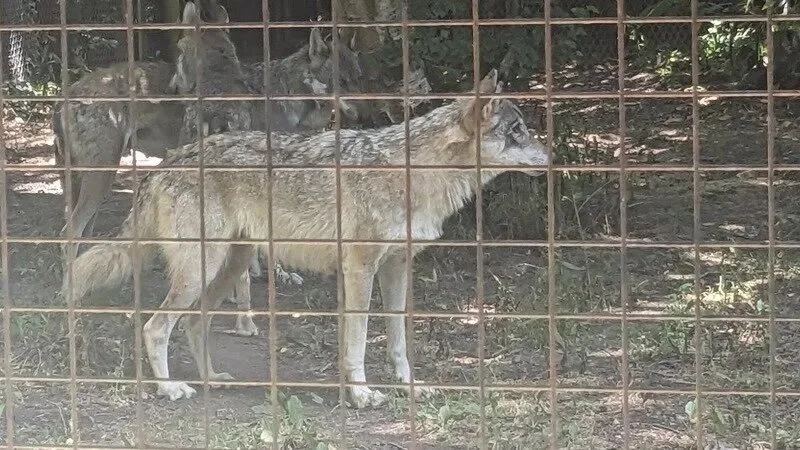
A wildlife park in the United Kingdom has euthanized an entire pack of five European gray wolves, triggering public outcry and calls for an independent investigation into whether all alternatives were exhausted.
Wildwood Trust, a woodland discovery park near Canterbury Kent, put down Odin, Nuna, and their three sons - Maximus, Tiberius, and Minimus - in late March 2026, after staff reported a sudden and severe escalation in aggression within the pack that left three of the wolves with life-threatening injuries.
The family had lived together at the park for nearly a decade.
Staff at the park, which houses over 50 species of native British animals, reported that in early 2026, aggression levels within the group “exploded.” The resulting fights were severe, leaving three of the wolves with life-threatening injuries.
Wildwood management claims that after an ethical review and consultation with external experts, they felt they had no other options left.
“A post-mortem carried out by the International Zoo Veterinary Group has since confirmed that the correct decision was taken,” a spokesperson for the trust said. “All possible alternatives were given careful and exhaustive consideration. The clear advice we received was that any delay or alternative course of action would have led to prolonged and avoidable pain and suffering for all five wolves.”
The park has defended its position by arguing that relocating the animals was not practical, as moving wolves into new packs frequently leads to further violent conflict or the collapse of other established groups.
Animal welfare organizations however, have criticized the tragic incident not as an isolated accident, but as a systemic failure. They argue that the deaths of Odin, Nuna, Maximus, Tiberius, and Minimus are a direct consequence of forcing wild, hierarchical animals into a space that can never replicate their natural habitat or provide a way for them to escape social conflict.
Groups have pointed out that these wide-ranging predators rely on complex social hierarchies. In the wild, young males naturally leave their birth pack to find their own territory. In an enclosure, this natural move is physically impossible, which creates a conditions that many experts believe is fundamentally incompatible with a wolf’s biological needs.
“These wolves did not belong in captivity, where their ability to spread out and form agreeable social groups is restricted to the point of causing them harm and, in this case, costing their very lives,” said Elisa Allen, vice president of programs at PETA.
They maintain that this tragedy serves as a grim warning about the practice of keeping wild animals for public entertainment.
Paul Whitfield, the director general of Wildwood, acknowledged the difficulties of the situation, stating: “The truth is, they’re not an easy animal to keep in captivity. They are a complex social group and if people are going to keep them, they really need to understand that and talk to experts about that.”
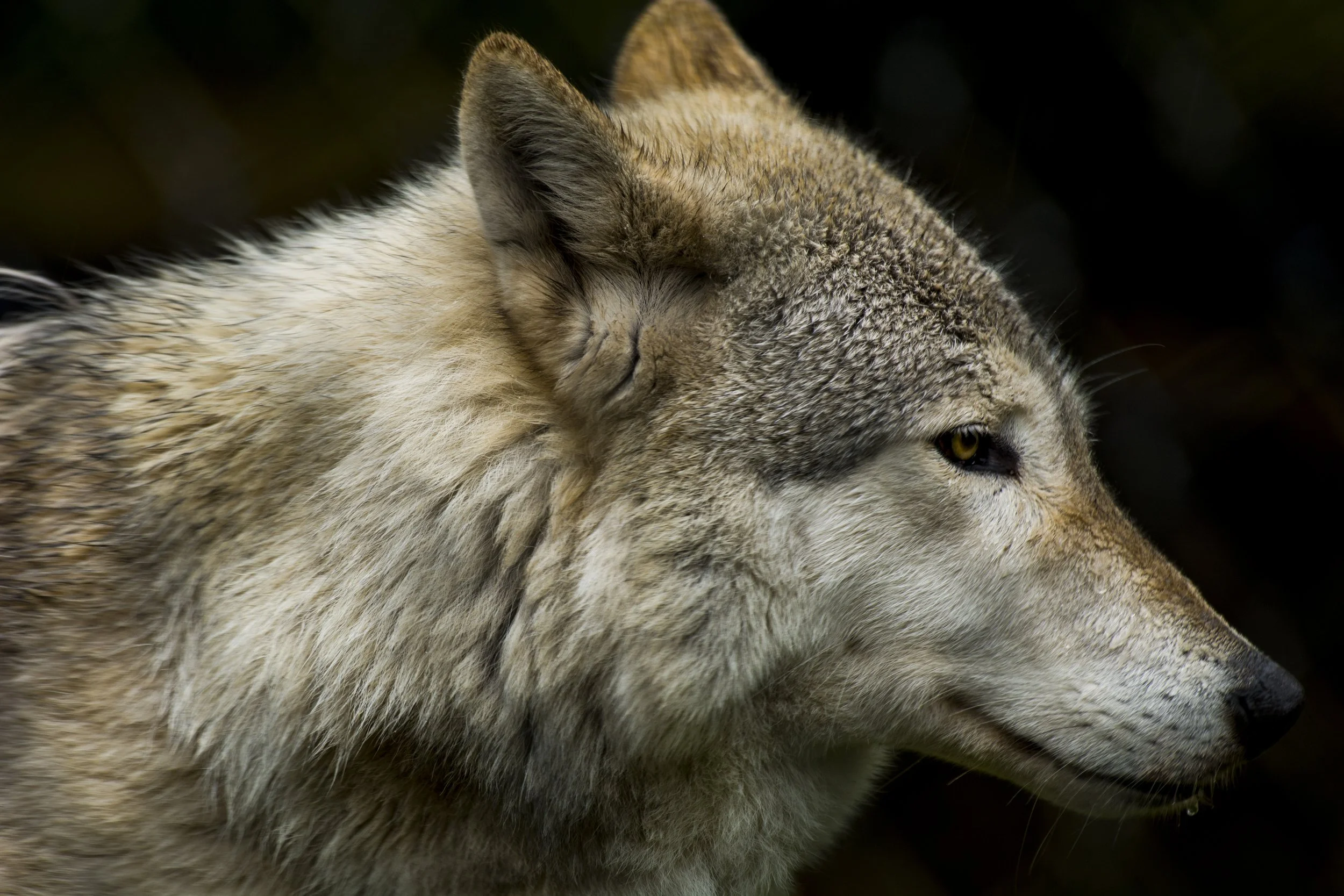
Credit: Hannah Gabrielson
Nearly 24,000 people have signed a petition started by Davie Murray, a former sponsor of the pack, calling for accountability and explanations.
The petition makes a range of demands, including a review of the pack’s management logs going back six months, an account of any rehoming options explored and for a “never again” commitment that the charity will consult “with specialist sanctuaries before any healthy animal is euthanized for behavioral reasons”.
It also calls for an explanation of why proactive measures were not taken to manage the stress of the wolves during their typical mating season;
“Aggressive behavior happens every year because it is mating season,” Murray said. “Let’s put plans in place. If they had contacted the right organizations, they would have known you can actually rehome wolves with dominant behavioral issues.”
However, as of now, in late April 2026, no official move for a fully independent, third-party investigation has been launched.
Species Unite's Wolves in School program brings the story of wolves into classrooms across the country through storytelling, science-based materials, and a call to action for young people. Free and downloadable for grades 3–12. Sign up here to download your free digital Wolf Education Guide.
We Have A Favor To Ask…
Species Unite amplifies well-researched solutions to some of the most abusive animal industries operating today.
At this crucial moment, with worldwide momentum for change building, it’s vital we share these animal-free solutions with the world - and we need your help.
We’re a nonprofit, and so to keep sharing these solutions, we’re relying on you - with your support, we can continue our essential work in growing a powerful community of animal advocates this year.


A cattle truck crash in Kansas City, Missouri, is one of several recent ones, as Mercy for Animals urges the US Department of Agriculture to update its rules on animal transport.