
Over 300 lobbyists for industrial agriculture attended COP30, investigation reveals
New investigation reveals powerful meat and pesticide interests had a bigger presence at COP30 than many world governments.
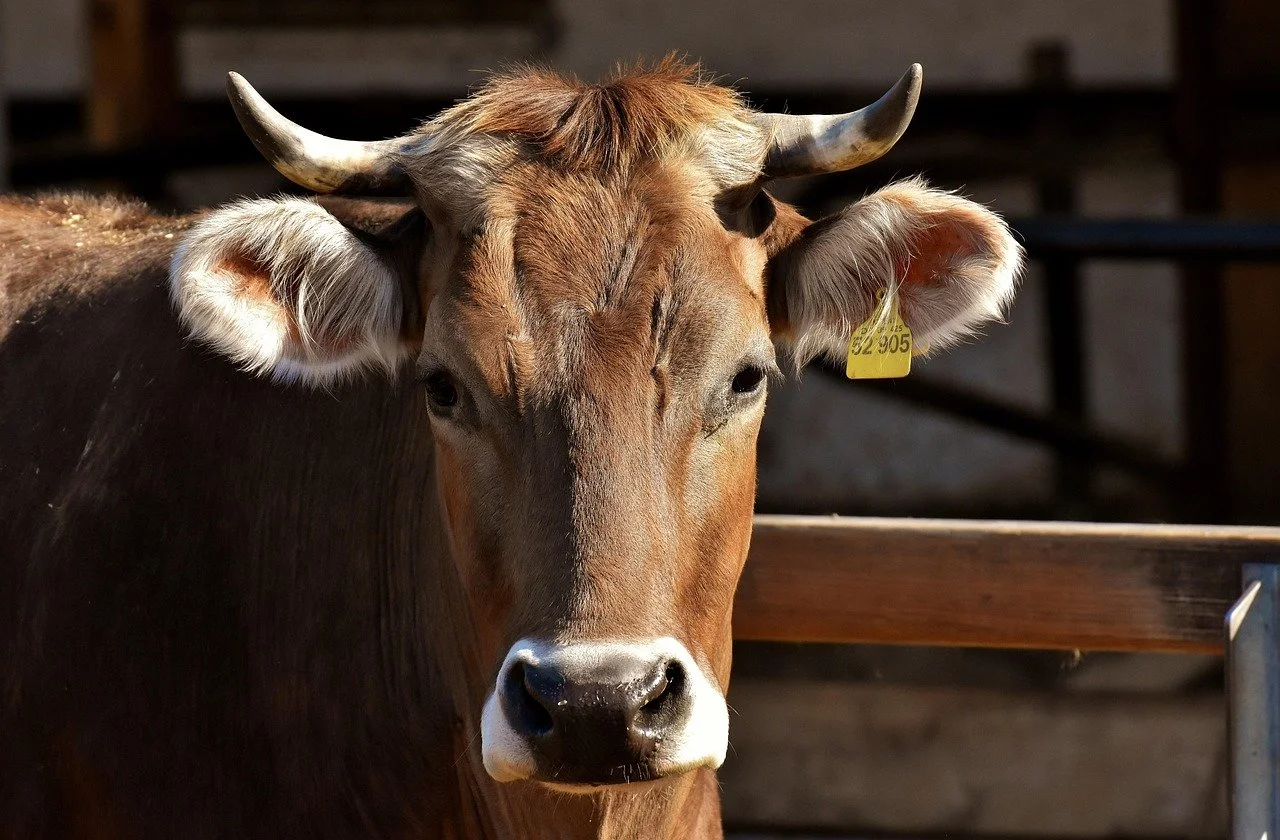
More than 300 lobbyists for food and farming organizations attended this year’s United Nations Climate Change Conference (COP30), a new investigation has found.
Meat and dairy corporations sent the most lobbyists to this year’s climate talks in Belém, Brazil, accounting for 72 of the 302 delegates.
The number of lobbyists for industrial cattle farming, commodity grains, and pesticides increased by 14% on COP29, and was larger than the delegation of Canada, the world’s tenth biggest economy.
And one in four lobbyists attended as part of an official country delegation, according to the joint investigation by DeSmog and The Guardian.
“What’s happening in Belém is not a climate conference but a hostage negotiation over the future of the planet where those holding the detonators – the soy barons, the beef cartels, the pesticide peddlers – are somehow seated at the table as honest brokers.”
Following last year’s conference in Baku, Azerbaijan, the former UN Secretary-General, Ban-Ki moon, led calls for future COPs to introduce stricter rules on lobbying, and to choose host countries that show a clear commitment to climate action.
This year’s host, Brazil, is the world’s top meat exporter. Three quarters of Brazil’s greenhouse gas (GHG) emissions are from food production, and 78% of this is directly from beef. Furthermore, raising cattle is the major cause of deforestation in Brazil’s Amazon, and, since 1985, an area almost as large as France has been converted into pasture.
The country’s leading three meat companies – JBS, MBRF, and Minerva – brought 13 delegates to COP30, eight of whom attended as part of Brazil’s government delegation. The world’s biggest-emitting meat company, JBS is responsible for generating more methane than ExxonMobil – the largest gas and oil company in the US – and Shell – the British oil major – combined, according to Greenpeace Nordic.

A third of all the agriculture lobbyists were from Brazil, including the beef exporters association, ABIEC, and the country’s most powerful industry group, the Brazilian National Confederation of Agriculture and Livestock (CNA), which brought 30 lobbyists to Belém.
The CNA represents rural federations and unions from across the country, and serves as the agribusiness sector’s main lobbying arm in Brazil’s congress. The CNA has supported numerous anti-environmental laws; notably, earlier this year, it opposed the Amazon Soy Moratorium, a landmark voluntary agreement to block the sale of soy linked to deforestation.
Other big industry associations represented in Belém included the Meat Institute, which represents 350 meat packing and processing companies that produce 95% of the meat and poultry in the U.S.
The Meat Institute has been a consistent lobbyist in the U.S. against climate regulations, pushing back at regulators’ attempts to force companies to disclose the full extent of their emissions.
“COP will never deliver real climate action as long as industry lobbyists are allowed to influence governments and negotiators,” said Lidy Nacpoli, of the Asian Peoples Movement on Debt and Development. “We demand an accountability mechanism that will push polluters out of COP and protect our people’s right to food.”
Some 70,000 protestors took to the streets of Belém, demanding genuine solutions and agreement at COP30. Assessing the outcomes of the summit, which concluded on November 21, The Guardian reported that “proposals to start planning roadmaps to transition away from fossil fuels and end deforestation were not agreed and were hived off to processes outside the UN to be pushed forward by coalitions of willing nations. The impacts of the food system – such as cattle in cleared tracts in the Amazon – were largely ignored.”
What can you do?
Species Unite’s 30-day challenge sees people ditch the animal products in favor of plant-based foods for an entire month. Take the challenge here to receive recipes, support, and advice straight to your inbox.
We Have A Favor To Ask…
Species Unite amplifies well-researched solutions to some of the most abusive animal industries operating today.
At this crucial moment, with worldwide momentum for change building, it’s vital we share these animal-free solutions with the world - and we need your help.
We’re a nonprofit, and so to keep sharing these solutions, we’re relying on you - with your support, we can continue our essential work in growing a powerful community of animal advocates this year.

Aldabra’s giant tortoises fell below 1,000 in the 19th century, and a new study now estimates there are 183,000 on the atoll in the Seychelles.