
Is Charlotte Tilbury no longer cruelty-free?
The beauty brand has dropped its long-standing Leaping Bunny certification, prompting backlash and calls for boycott.
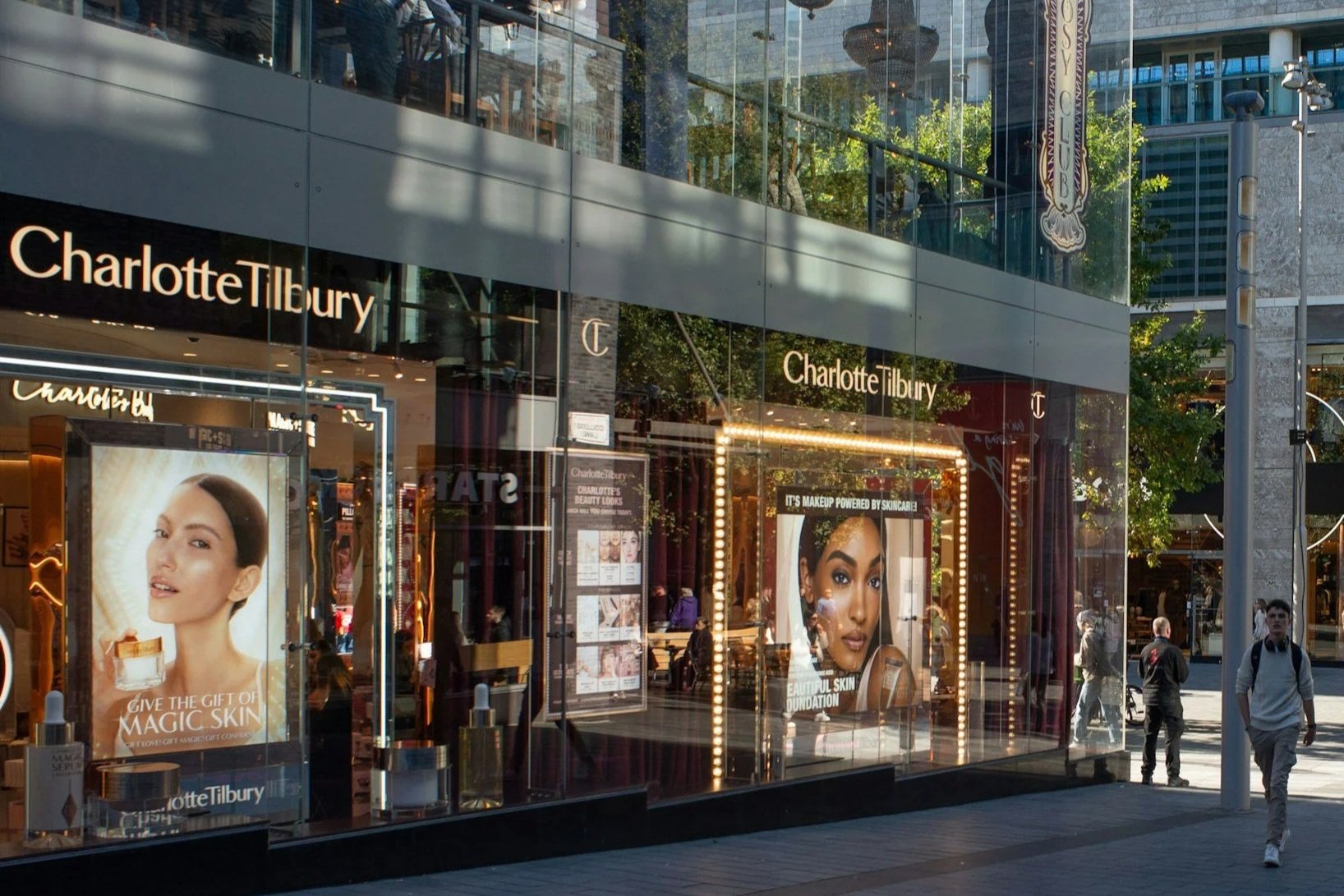
Iconic beauty company Charlotte Tilbury, founded by namesake British makeup artist Charlotte Tilbury, has long held certification as one of the cosmetics companies approved as free from animal testing through Cruelty Free International's Leaping Bunny program. But reports on social media have emerged saying that the brand's certification is no more, leaving its cruelty-free status unclear.
On its own website, the brand says: "All Charlotte Tilbury Beauty products are cruelty-free. We do not test our finished products or ingredients on animals, and we never ask anyone to test on our behalf. Cruelty Free International is retiring the Leaping Bunny logo and introducing a new one. We've chosen not to adopt the new logo to avoid confusion across different markets, but our cruelty-free policy remains exactly the same and we do not test on animals. We work closely with our suppliers to ensure that the ingredients used in our products are not tested on animals. We also do not permit any third parties to carry out animal testing on our behalf."
Cruelty Free International's certification logo is changing from a bunny to a more generic brand logo. The organization explains on its website: "Since we began approving brands, we have also seen a proliferation of rabbit symbols and 'cruelty-free' claims that are not backed by independent third-party assurance, causing consumer and brand confusion. Therefore, having evolved in complexity, operation and criteria since its original design, and to enable consumers to easily identify brands that are approved by Cruelty Free International, we're introducing a new name and a bold new logo for our global product approval program."
Critics have pointed out that the brand could have easily adopted the new logo, explaining it in the way they explain their cruelty-free status on their website.
They also note that the brand now expects consumers to rely on their cruelty-free status without third-party audits or annual renewals.
Since TikTok content creator Sam McGraw documented Charlotte Tilbury's decision, social media users have been calling for a boycott of the company.
Independent animal-testing watchdog Cruelty-Free Kitty has classified Charlotte Tilbury as now being "in the gray area" when it comes to cruelty-free status. This is also due to Charlotte Tilbury's parent company Puig, which does not have a policy against animal testing.
Notably, Charlotte Tilbury was the only company under the Puig umbrella that was certified cruelty-free.
Charlotte Tilbury is also selling its products in mainland China, which in the past was sufficient to remove a brand from cruelty-free lists, as animal testing was required for cosmetics sold there.
However, changes in legislation have made it possible for companies to sell some cosmetic products in mainland China while maintaining cruelty-free certification.
Since 2021, imported cosmetics have been subject to an exemption from pre-market and post-market animal tests if the products qualify as "ordinary use" cosmetics rather than "special use."
Makeup and skincare products largely fall under this "ordinary use" category, while items like sunscreen, hair dyes, and products that target hair loss do not qualify for the exemption.
This progress was welcomed by advocates for cruelty-free beauty, making it easier for companies to maintain access to a large market like China without resorting to animal testing.
However, the backlash against Charlotte Tilbury also concerns the fact that their special-use cosmetics could now potentially be sold in China, without certifying organizations regulating this.
Charlotte Tilbury maintains a list of vegan-friendly products and continues to claim that it does not test products or ingredients on animals.
China updated its regulations in 2021 so that animal testing is no longer required for all imported cosmetics. However, brands must submit detailed safety and ingredient data for government approval, a process that can be complex and costly. Many brands that sell in China, including MAC, have chosen not to pursue this exemption. Species Unite is calling on MAC Cosmetics to go cruelty-free. You can add your voice here.
We Have A Favor To Ask…
Species Unite amplifies well-researched solutions to some of the most abusive animal industries operating today.
At this crucial moment, with worldwide momentum for change building, it’s vital we share these animal-free solutions with the world - and we need your help.
We’re a nonprofit, and so to keep sharing these solutions, we’re relying on you - with your support, we can continue our essential work in growing a powerful community of animal advocates this year.

A group of British lawmakers is calling on the Ministry of Defence to end the use of real bearskin caps, as new data shows orders for real bear pelts have surged.