
Instead of killing lions, villagers in Tanzania are now rewarded for keeping them alive
The innovative program sees communities receive benefits such as healthcare and school supplies in return for documenting and maintaining local wildlife.
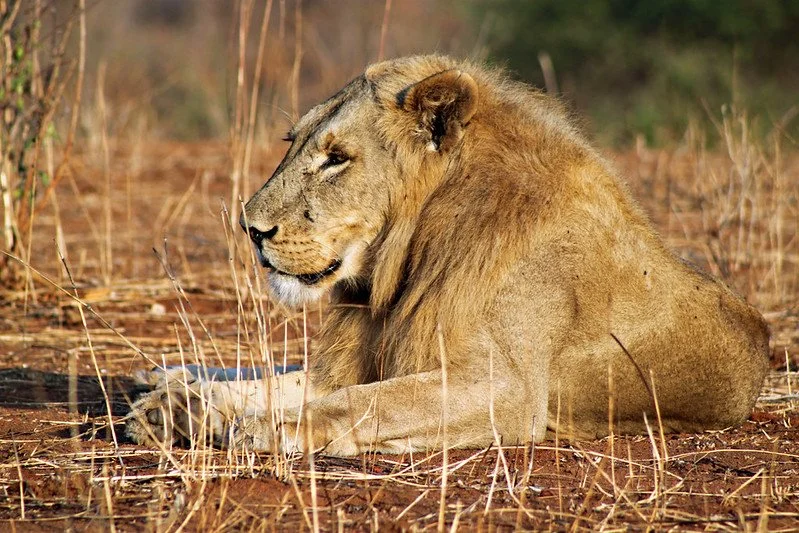
A lion (Panthera leo) in Ruaha National Park, Iringa, Tanzania. Credit: Pius Mahimbi/CC BY-SA 2.0
An innovative program that empowers and rewards local communities through conservation is now operating in Mozambique and Kenya, following successful trials in Tanzania.
Under the Community Camera Trapping (CCT) program, locals are trained to set up camera traps around their village, with rewards given out on a points-based system. Photographs of endangered animals, and large carnivores, are worth more points than an antelope, for example, while animals that have already been collared by researchers earn double points. Every three months, the points are tallied up and translated into rewards, which have been chosen by the villagers. These include healthcare, veterinary treatment, and school supplies.
The results are displayed publicly, and friendly competition is invited between participating villages. In the early stages of the program, four villages competed against one another. The village that accumulated the most points won $2,000 worth of benefits, with the village in fourth place winning $500. A new competition was launched every three months.
In return, the footage provides invaluable wildlife data for researchers. Furthermore, such a program encourages locals to live peacefully alongside the wildlife.
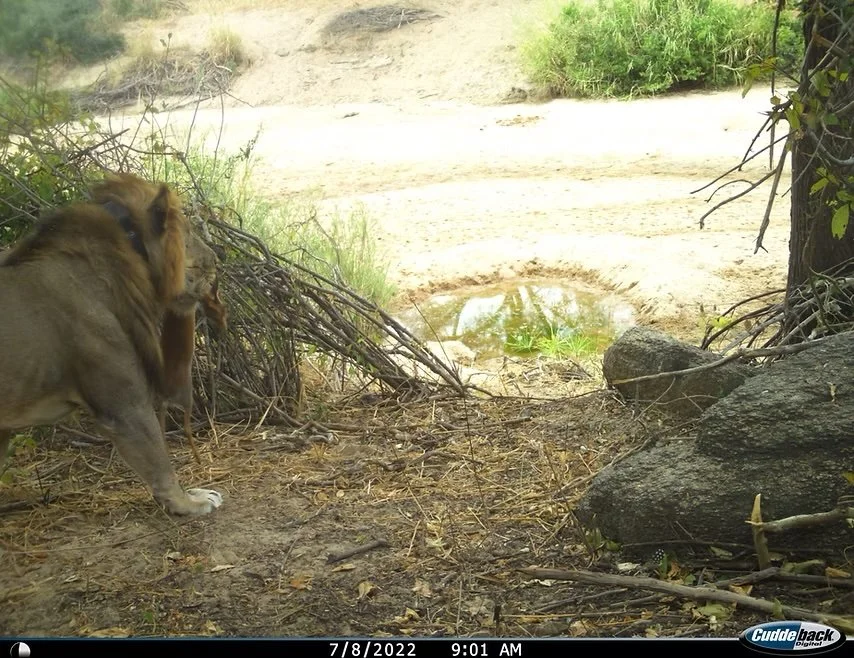
A lion (Panthera leo) captured by CCT+. Credit: Lion Landscapes
Lion Landscapes (LL) – the UK nonprofit who devised the program – recognized the importance of ensuring that the benefits were tied specifically to wildlife presence, as locals had previously been killing lions in large numbers.
The program first trialed in southern Tanzania, where cultural traditions saw young ‘warriors’ hunt lions as a way of protecting their community and livestock. After trying several initiatives, LL realized that to stop the killings the villagers needed to truly benefit from sharing their home with lions.
“A lot of approaches, particularly conflict resolution approaches, tend to focus on reducing the costs of living with wildlife, and increasing local benefits from conservation,” said Amy Dickman, joint CEO of LL and professor of wildlife conservation at the University of Oxford. “Both are very important, but often in that second case, the benefits get an association with the project, rather than specifically with the wildlife. So, we found that the local people would appreciate the benefits coming in, but were still killing the wildlife. There was still a lot of snaring and poisoning.”
This inspired CCT, which has recently been shortlisted for the IUCN Pathfinder Award for innovation in nature conservation. The model has been praised for the novel way that it engages local communities and incentivizes conservation of wildlife on their village land.
Under the new CCT+ program, extra points can be gained if villagers take positive actions to help conservation. Equally, evidence of poisoning and snaring will result in penalties. Villagers living near Ruaha National Park – home to one of the largest remaining lion populations in the world – have been working with LL to reinforce livestock enclosures. By using wire mesh, they have managed to reduce lion attacks on livestock by 95 percent.
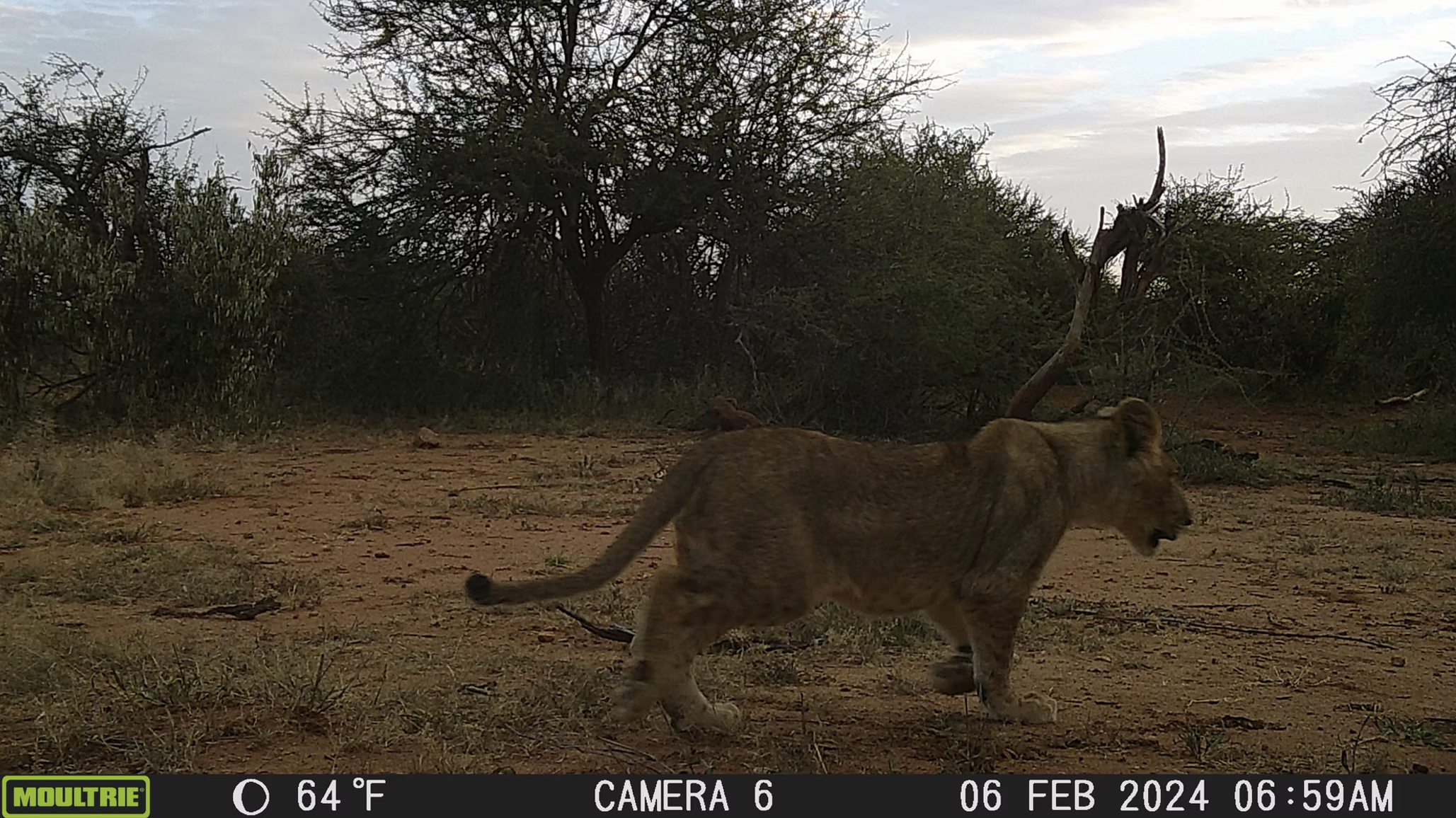
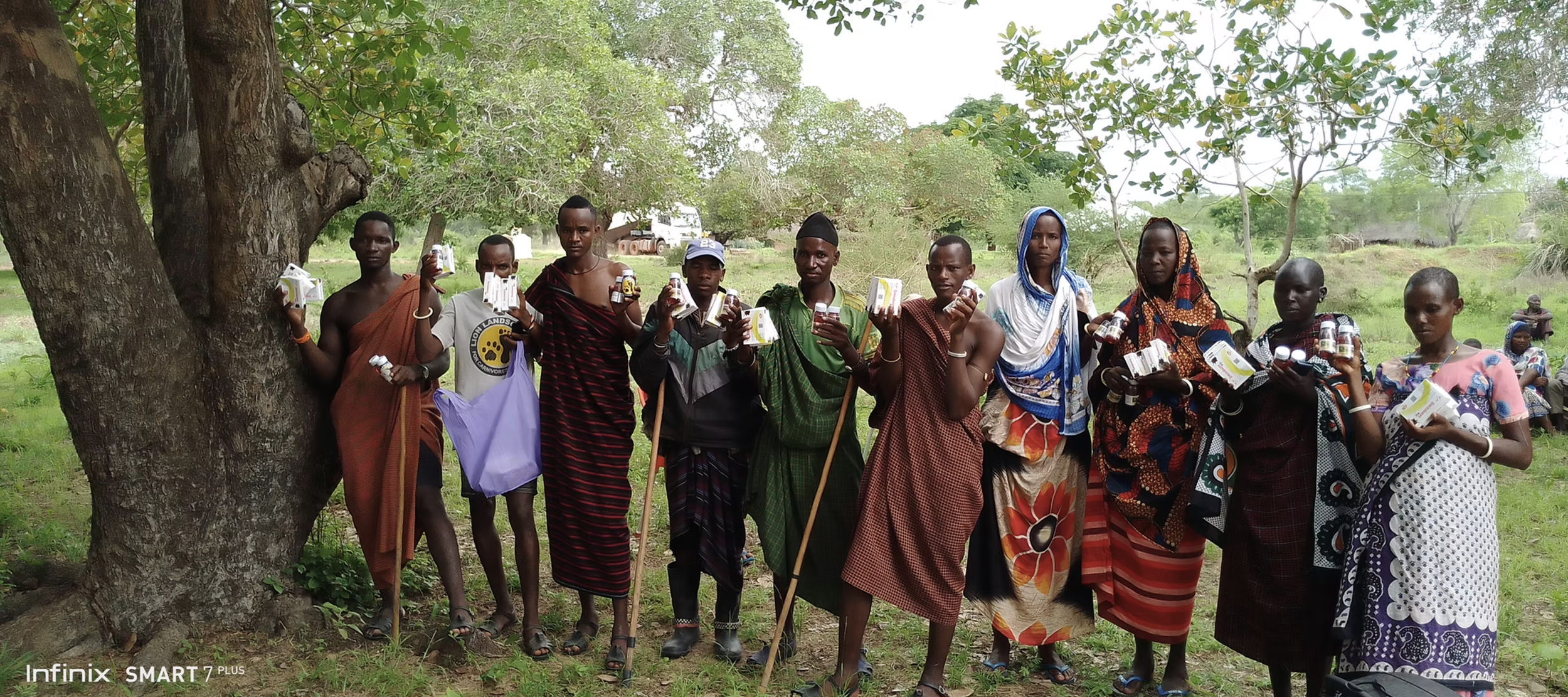
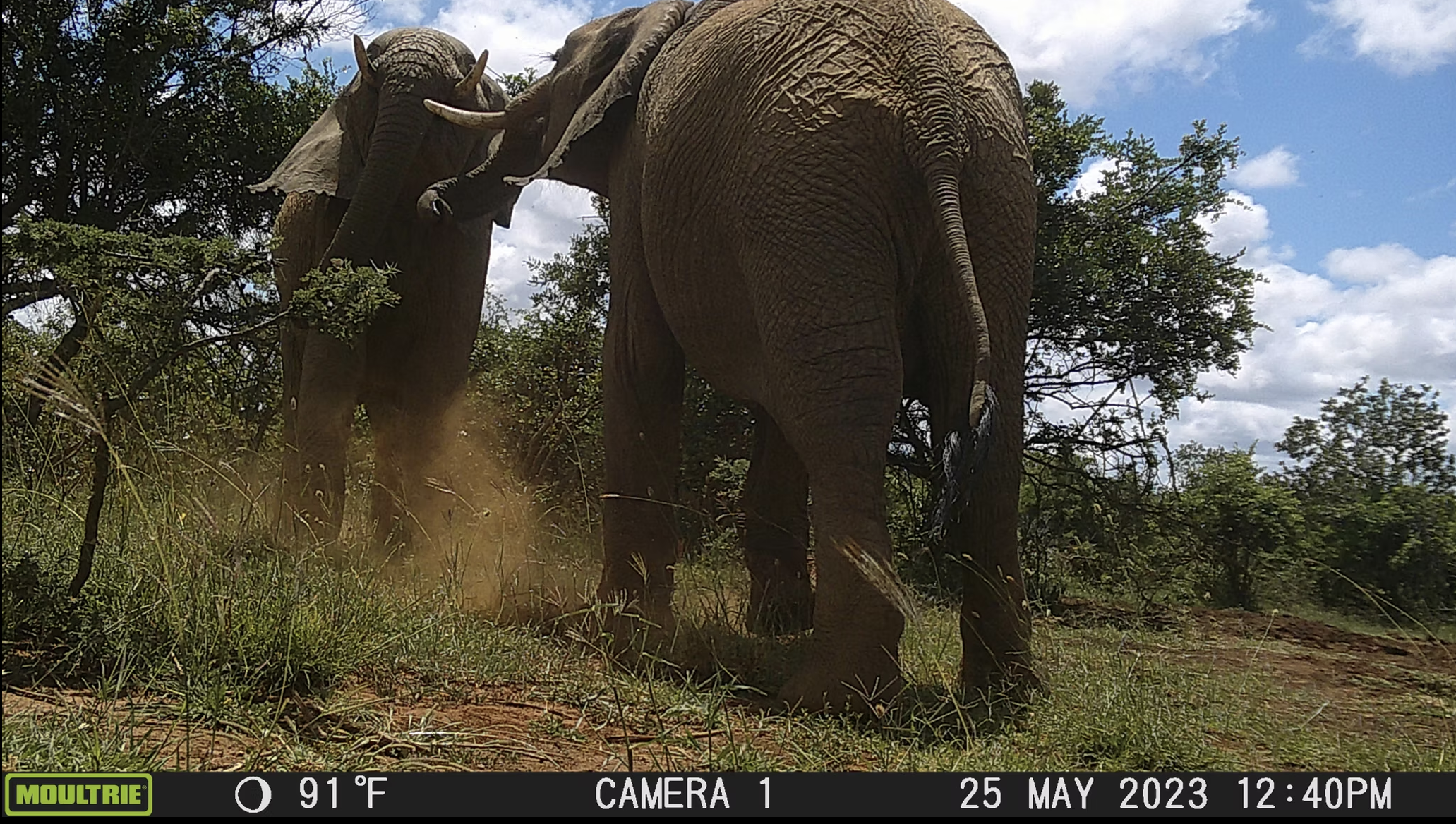
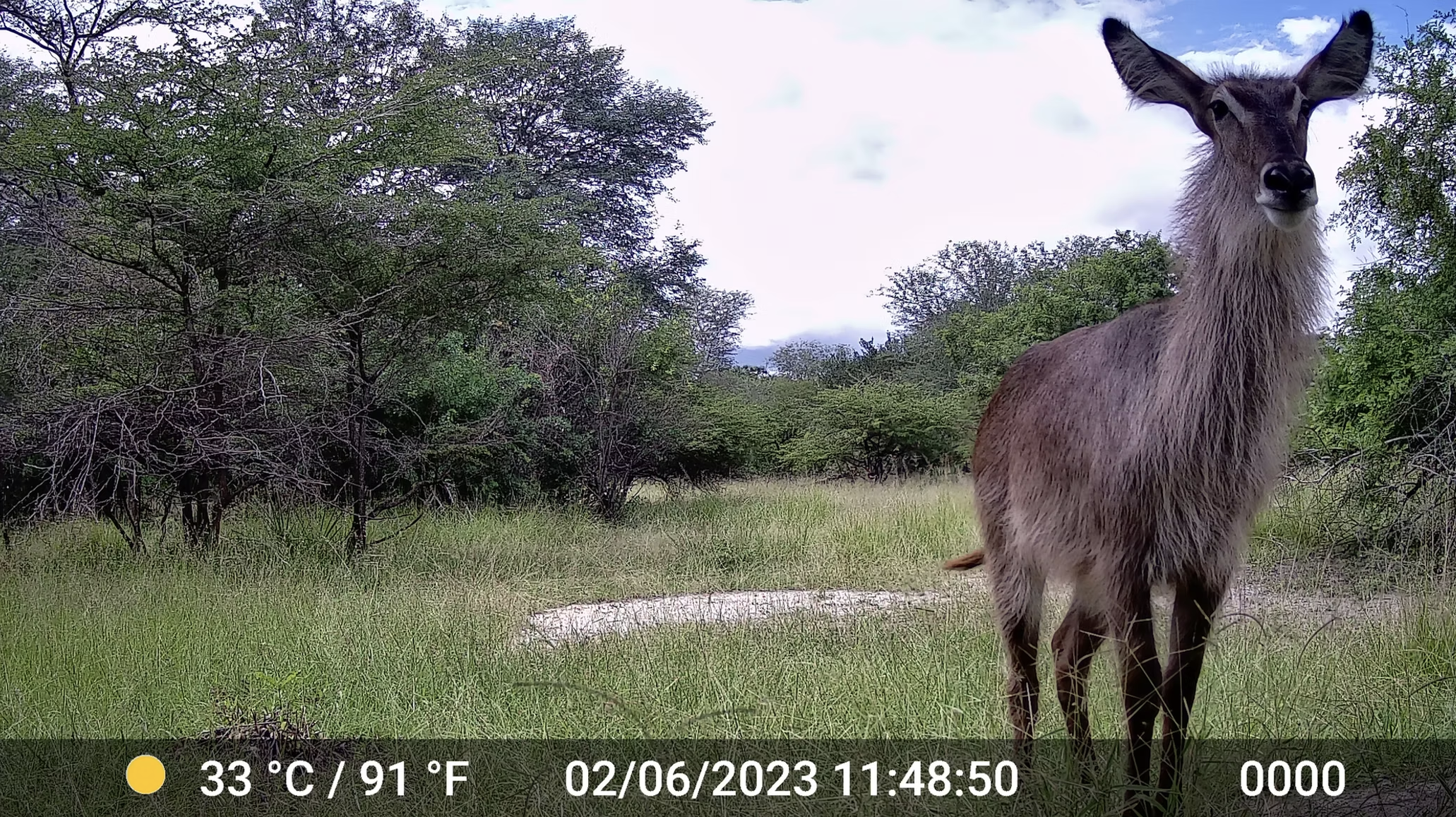
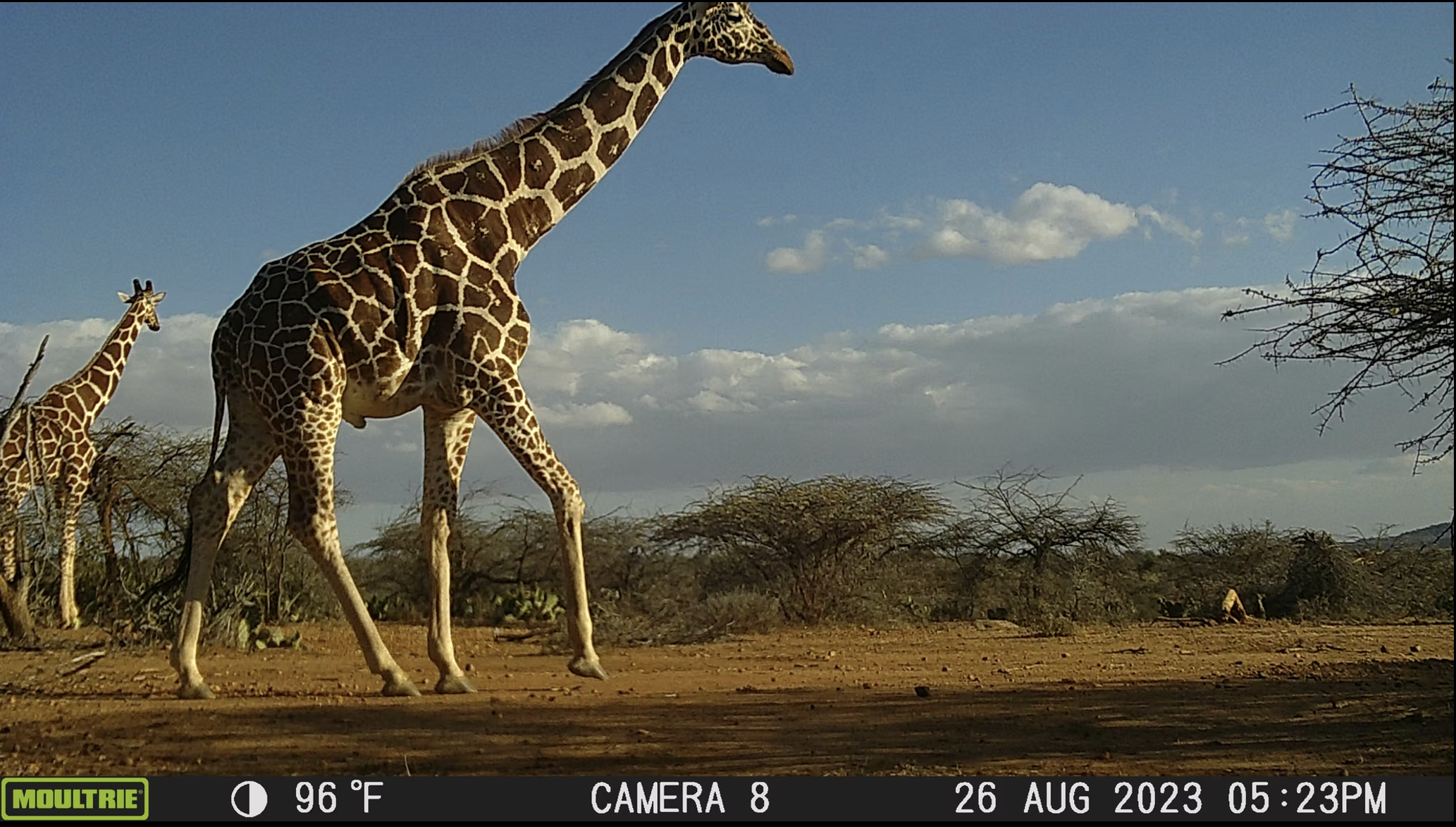
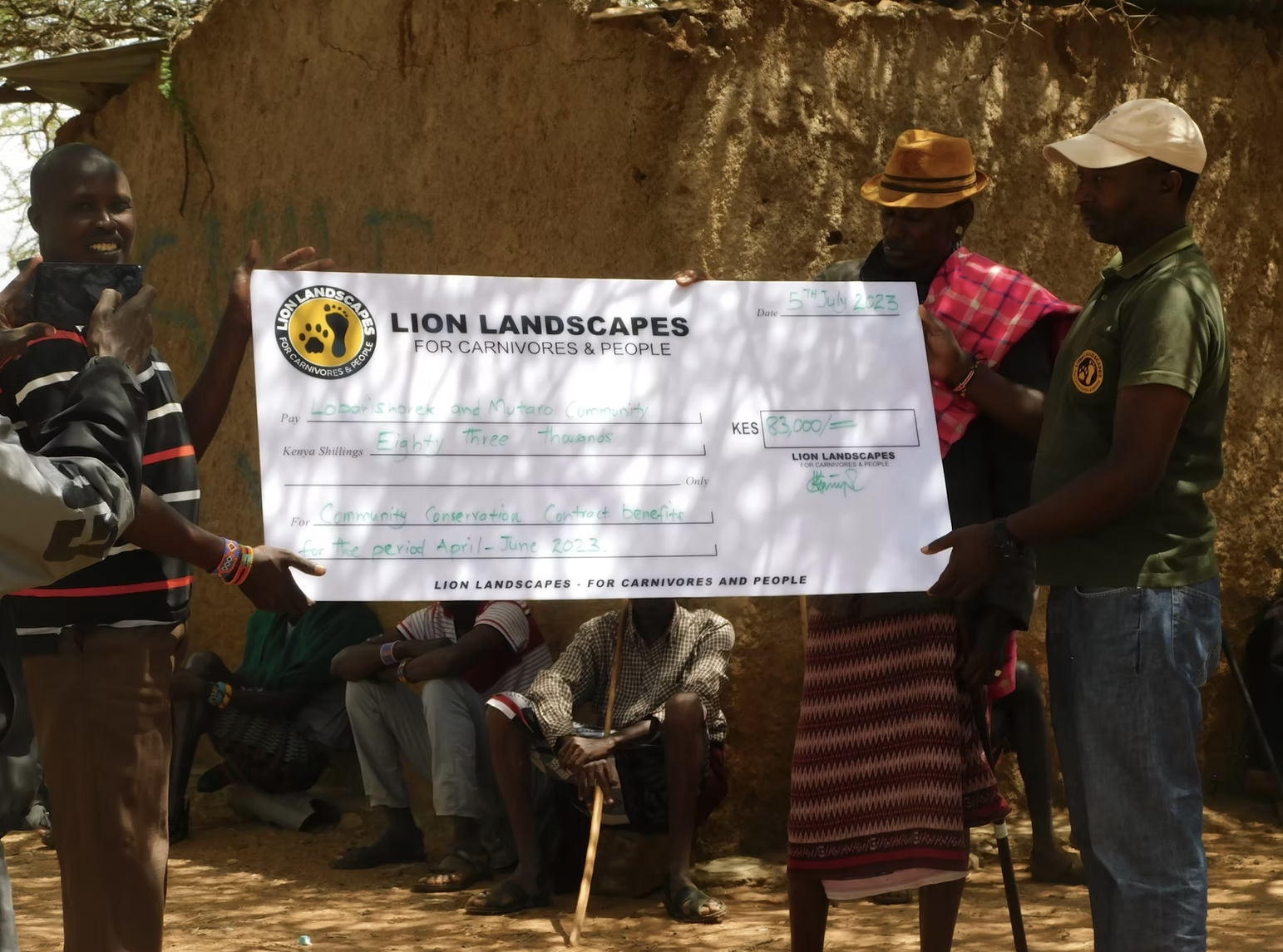
Wild animals captured by CCT+ and benefits distribution. Credit: Lion Landscapes
“I think our vision for Ruaha and all these landscapes we’re working in, is to have thriving landscapes, which have high populations of large carnivores, but importantly, where the presence of these large carnivores delivers a real gain for people, both at the national level, for the national government, and the local people, who are bearing the costs of living alongside these animals,” added Dickman.
At present, the rewards are paid for by LL’s donors, but Dickman admits that long-term conservation cannot rely entirely on philanthropy. Instead, she says the international community must step up.
“Species like lions and elephants are very charismatic internationally, but cause a lot of damage locally, and African governments and communities also have all the costs of setting aside land for conservation,” she said. “Therefore, we do need the international community, including the public, NGOs, and governments, to help pay more for the costs of conservation, which are mainly carried by local people living alongside these species.”
LL is now operating the model in Mozambique’s Niassa Reserve and in Laikipia, Kenya, after successful implementation in Ruaha and Selous-Nyerere, Tanzania. Dickman is hopeful that CCT can be adapted to suit landscapes outside of Africa, and to different species other than lions.
Take the 30 Days of Action for Animals challenge: This August, we're challenging you to take one action for animals every single day. From signing petitions and contacting lawmakers to making different choices at the dinner table, every action adds up. Sign up now to get your first action from tomorrow.
With animal stories making up less than 2% of the news cycle, we're here to fill that gap. Sign up for Species Unite’s weekly news digest.
The animals need a newsroom in their corner
Every week we dig into the animal stories the mainstream news overlooks. Investigations, exposés, legal battles, and victories - none of it happens without your support. A monthly gift of as little as $5 keeps us covering the 98% of animal news the world isn't seeing.
More stories:
Significant investment and revised regulations across four government agencies are part of an ongoing effort to support innovative scientific research ahead of “outdated” testing on animals.