
Brazil creates cultivated version of donkey collagen
The days of ejiao could be numbered as an animal-free, cultivated version is on its way.
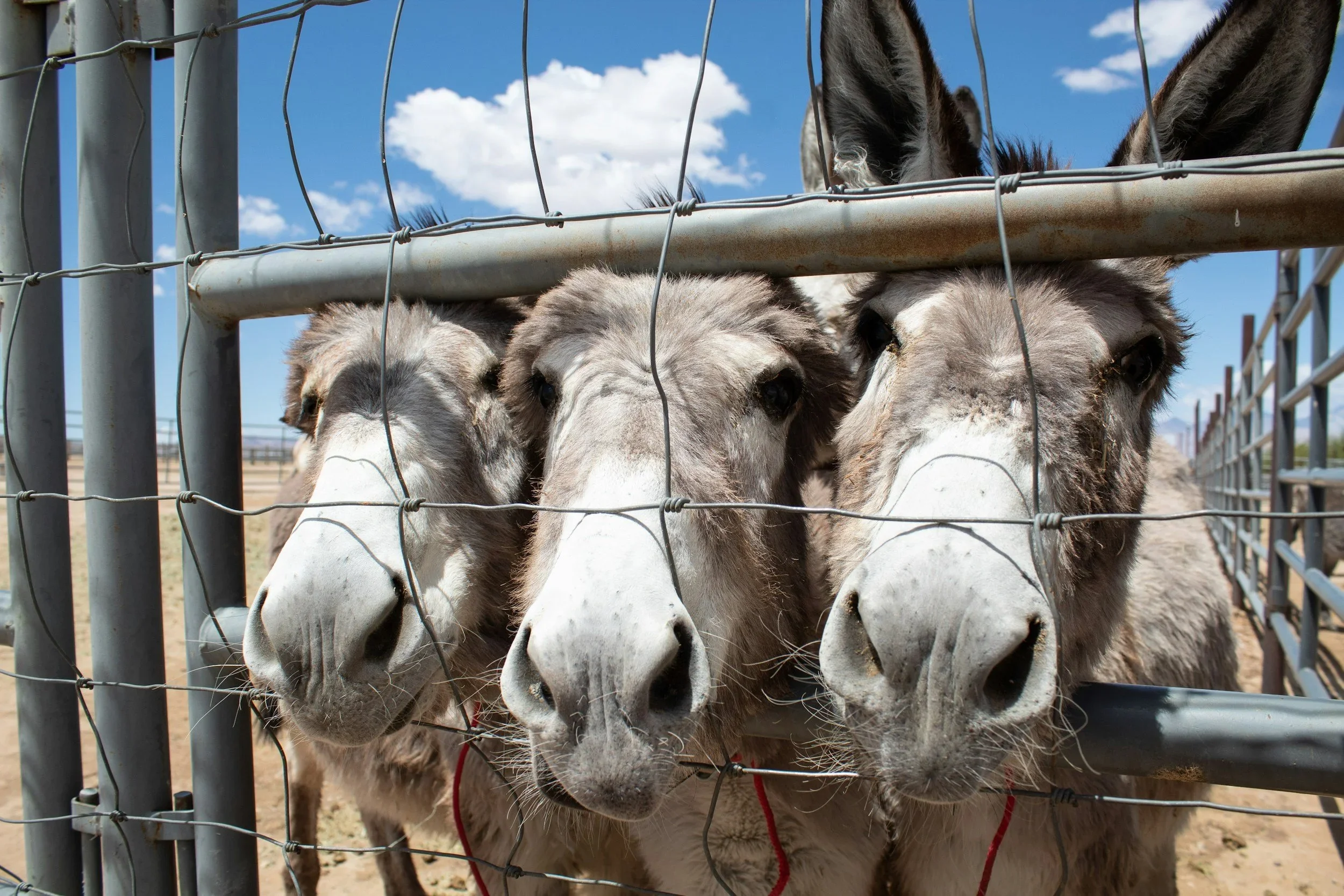
Donkey populations are declining due to demand for Chinese traditional medicine ejiao, a gelatin which is made from collagen deriving from donkey skin - around six million donkeys are killed for this product each year.
In response, Brazilian scientists are creating a cultivated version of donkey collagen which is set to be scalable by 2027.
The project is the brainchild of Carla Molento, a veterinarian and professor at the Federal University of Paraná in Curitiba, Brazil.
The innovation uses precision fermentation, a process where microorganisms such as yeast, bacteria or fungi are used to manufacture molecules that behave in specific ways. In this case, donkey DNA is inserted into yeast to create a protein identical to donkey gelatin.
The finished product will be a powdered collagen that can be sold to ejiao manufacturers and used in the same ways as traditional ejiao.
“We are hoping to offer a donkey collagen product which retains all the qualities of the conventional one, as it will be encoded with the same DNA,” said Molento. “Except that we will be able to ensure its purity, as none of the contamination, such as heavy metals and disease risks like pathogens exist in the new production system.”
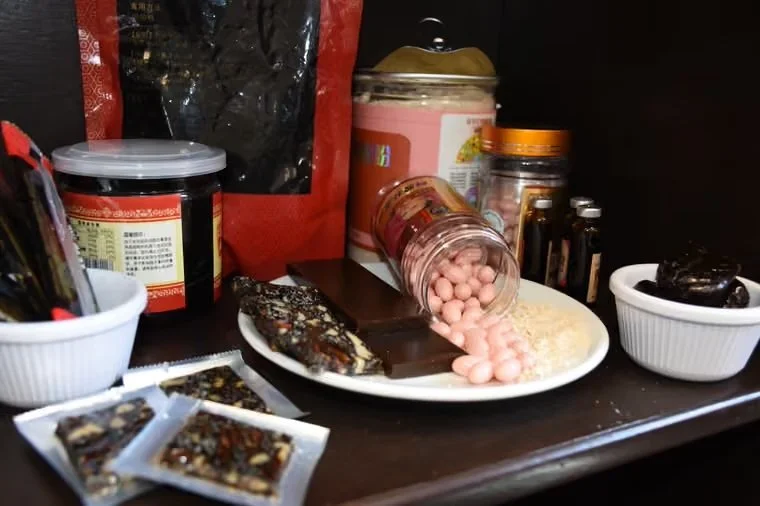
Ejiao is a 2000-year-old traditional medicine that is believed to cure ailments from insomnia to cancer - all unproven. It is also used as a fertility medication and in some cosmetic products and snacks.
As China’s own donkeys are declining in numbers, the industry is moving on to other territories, including Africa and South America.
The booming demand for ejiao is having a devastating effect on animal numbers: the equine charity organization The Brooke is warning that Africa’s donkey population could be wiped out if action is not taken.
Emily Reeves of the Donkey Sanctuary also spoke to Times of India about the risks involved: “The trade is a ticking time bomb for disease spread risk because animals are sourced and moved, often illegally, without oversight or traceability. Large herds are gathered from a multitude of locations. Animal mistreatment and stress cause susceptibility to disease.”
Ejiao products are widely available around the world, including as powders, cakes, teas, and gelatine snacks.
Despite widespread availability, customer awareness of these products is limited. A survey conducted this year of 1,000 Chinese adults found that nearly half of respondents were unaware that ejiao is made from donkey skin. 70% of the people polled did not know about the animal welfare and environmental implications of the product - but 76% said they would be open to animal-free, lab-created options, which could mean success for Molento and her team’s project.
The team continues to study variations in collagen across different donkey breeds to ensure that their innovation more closely matches the animal product. They are also seeking partnerships to ensure commercial production is possible. “We are open to partnerships, as we are highly motivated to help supply pure donkey collagen without all the difficulties related to the donkey skin trade,” said Molento.
Species Unite has joined with a growing coalition of advocacy organizations—including Brooke USA, American Association of Equine Practitioners (AAEP), American Wild Horse Conservation, the Animal Welfare Institute (AWI), ASPCA, EKō, the Homes for Horses Coalition, Humane World for Animals (formerly HSUS), and Loco for Long Ears,—to support Rep. Beyer as he works to pass the Ejiao Act in the 119th Congress.
To everyone who has already written to Congress: thank you. If you haven’t yet, please click below to send your letter of support today.
We Have A Favor To Ask…
Species Unite amplifies well-researched solutions to some of the most abusive animal industries operating today.
At this crucial moment, with worldwide momentum for change building, it’s vital we share these animal-free solutions with the world - and we need your help.
We’re a nonprofit, and so to keep sharing these solutions, we’re relying on you - with your support, we can continue our essential work in growing a powerful community of animal advocates this year.

Some developers suggest that adopting cultivated meat could also improve animal welfare by significantly reducing the number of farmed animals slaughtered.