
New York Takes Action for Whales While Nation Falls Behind
New York Governor Kathy Hochul has signed an important new whale protection bill into law, taking steps to help prevent deadly collisions between boats and whales off the state's coast.
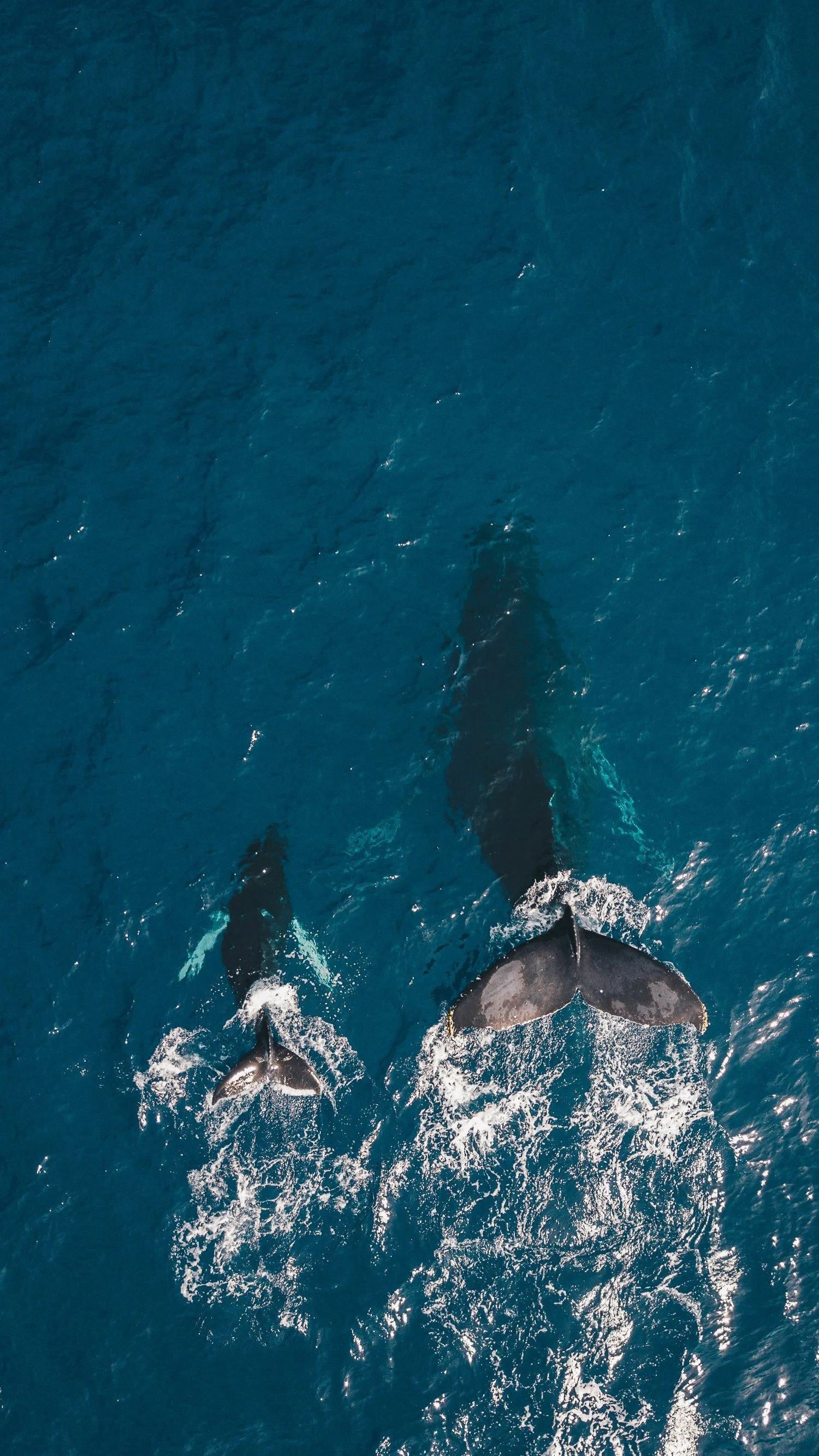
The new Whale Awareness Act will provide New York boaters with more information about how to safely navigate around whales and other marine mammals. Licensed party and charter boat operators, along with those taking state-certified boating safety courses, will receive new educational materials, with additional training becoming part of the boat registration process beginning in 2028.
The legislation builds on protections already in place for whales in U.S. waters. Federal law requires vessels to stay at least 100 yards away from humpback whales and 500 yards away from critically endangered North Atlantic right whales. Boaters are also urged to slow down, avoid sudden changes in speed, and take extra precautions around mothers and calves.
The Whale Awareness Act recognizes an increasingly urgent reality: as whale populations return to New York's coastal waters, the responsibility to protect them must grow as well. The legislation notes that "vessel strikes have become one of the leading causes of injury and death among marine mammals, particularly whales, undermining both ecological stability and species conservation efforts.
It is an important signal that New York is moving forward on whale protection at a time when the federal government is unfortunately moving backwards.
There are only around 380 North Atlantic right whales left on Earth, and vessel strikes and entanglement in fishing gear remain among the greatest threats to their survival. Since 2008, federal rules have required many large vessels to slow to 10 knots or less in designated areas along the East Coast where right whales feed, migrate, and give birth. These speed limits were created to reduce deadly ship strikes and remain one of the few protections standing between this critically endangered species and extinction.
But the Trump administration has moved to reopen those vessel speed protections to deregulation, with plans that could replace proven speed limits with alternative technologies that conservation advocates say have not been shown to reliably prevent deadly collisions. The Center for Biological Diversity has also filed a lawsuit seeking records related to the administration's decision and the individuals or industry groups that may have influenced the effort to roll back the protections.
And now, a separate legislative attack is moving forward in Congress.
Less than a month before New York's new Whale Awareness Act became law, Representatives Mike Lawler of New York and Jared Golden of Maine introduced H.R. 9436, legislation that would extend the current moratorium on new fishing gear regulations designed to protect North Atlantic right whales from 2028 until 2035.
The delay could be devastating. Entanglement in fishing gear remains the leading cause of death for adult North Atlantic right whales, and only around 70 of the roughly 380 remaining whales are reproductively active females.
As Jane Davenport, senior attorney at Defenders of Wildlife, warned:
"North Atlantic right whales can't afford to wait another seven years for more protections."
New York is demonstrating that a different path is possible. While the state is taking steps to reduce the risk of deadly vessel strikes, the federal government is simultaneously weakening those very protections and delaying action on fishing gear entanglements, the very threats already killing this species. For a species with less than 400 individuals remaining, this retreat could be catastrophic. New York is proving that we don't have to accept that future.
You can take action by speaking out against the Trump administration's proposed changes to vessel speed limits below. As new attacks on whale protections continue to emerge, we must keep the pressure on, continue raising awareness, and fight to ensure these critically endangered animals are not pushed even closer to extinction.