
Pocatello City Council Unanimously Opposes Cyanide Bombs Made in the City
The tragic case of Canyon Mansfield, who was gravely injured by an M-44 cyanide bomb while his beloved dog Kasey was killed before his eyes on what should have been a peaceful walk in the woods behind his home in 2017, was all the more devastating because the Mansfield family lived just outside Pocatello, Idaho, the city where these deadly devices are manufactured.
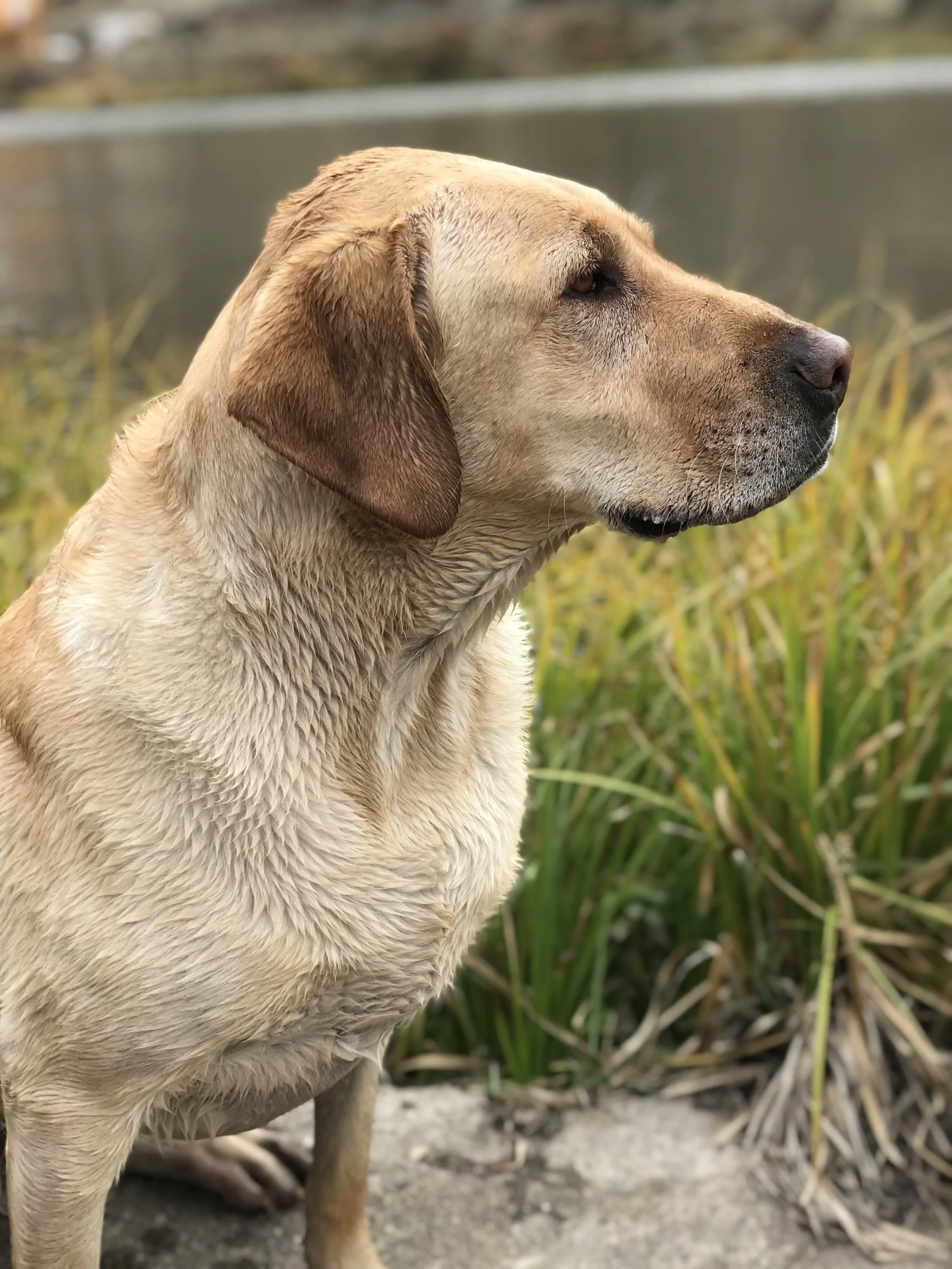
The Pocatello Supply Depot, a federally owned facility, operated by the USDA's Animal and Plant Health Inspection Service (APHIS) Wildlife Services, is the sole manufacturer and distributor of M-44s for the United States. M-44s are spring-loaded traps designed to kill animals considered predators. When an animal pulls on the bait, the device releases a cloud of sodium cyanide directly into its mouth, causing poisoning, seizures, convulsions, and death. Because the devices cannot distinguish between their intended targets and other animals or people, they have also killed family pets, injured humans, and harmed wildlife.
When 14-year-old Canyon Mansfield accidentally triggered one of these devices while out in the woods behind his home, leading to Kasey's slow, horrible death, the cruel irony was that the device had been made just a few miles down the road.
For nearly a decade Canyon's family has made it their mission to spread awareness about the dangers of these devices and push for them to be banned. Thanks to their advocacy, versions of Canyon's Law, which would ban the use of M-44 "cyanide bombs" on public lands, are being considered in both the United States House and Senate. Closer to home, Canyon's father, Dr. Mark Mansfield, pushed the Pocatello City Council to pass a resolution against the devices.
On August 20, the City Council voted unanimously to adopt the resolution opposing the continued assembly, manufacture, storage, and distribution of M-44s within Pocatello. Dr. Mansfield called the resolution "a statement without doubt that this M-44 cyanide bomb and its manufacture, its assembly, its distribution to the entire United States, is unwelcomed in our city." Brooks Fahy, executive director of the nonprofit Predator Defense and a longtime opponent of M-44s, said he was grateful to see the council take the stand.
Although the resolution is nonbinding, as the city has limited authority over the federally owned facility, it is still a major public rejection of these devices from the very center of their production. Pocatello's elected leaders have now formally gone on record opposing the manufacture of M-44s in their own community and calling on the federal government to stop producing them there. The resolution also encourages Idaho's congressional delegation to support Canyon's Law.
The vote comes at an especially important time. In April, the Bureau of Land Management signed a memorandum of agreement allowing M-44s back on nearly all 245 million acres of its land, reversing a 2023 ban on the devices. That reversal has renewed the fight to ban M-44s for good, and local opposition like Pocatello's unanimous vote is more than symbolic: it keeps pressure on the issue and builds momentum for Canyon's Law as it makes its way through Congress.
For Canyon Mansfield, now 23, the vote carries an especially personal meaning. For years, he held onto faith that his family's suffering would not be in vain and that his community would change.
"There's a cruel, tragic irony in the fact that the very device that poisoned me and killed my dog was manufactured and built only miles from my home," Canyon said. "When I've driven near it, I feel a wrenching in my heart; yet, amidst that bitterness, I still held much faith in my city. Faith that my family's suffering wasn't in vain; faith that Kasey's death would change our city. Recently, it appears as if my faith may be proven right."