
Major Progress in the Fight to Close the Cherokee Bear Zoo
There is major positive news in the fight to free the bears at North Carolina’s infamous Cherokee Bear Zoo.
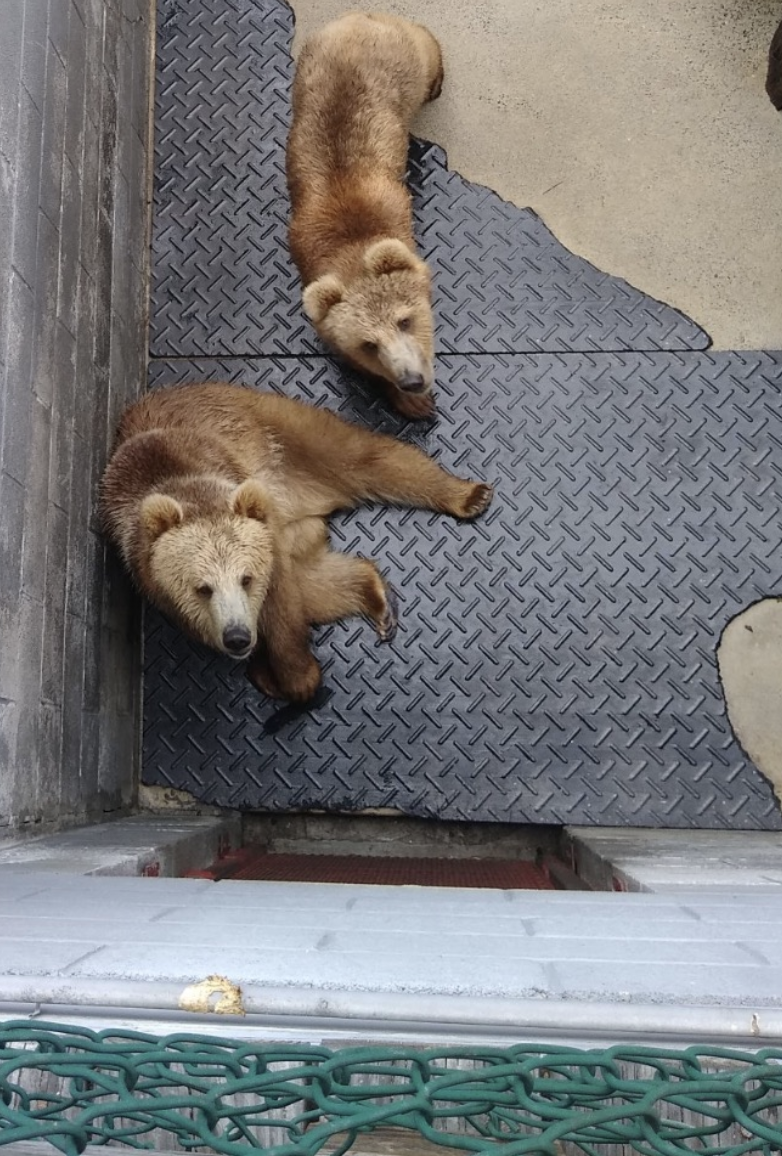
Credit: PETA
Earlier this month, after years of advocacy and growing public pressure, the Eastern Band of Cherokee Indians Tribal Council voted 8-4 to pass an ordinance banning the captivity of bears across the tribe’s 57,000-acre Qualla Boundary. The ordinance establishes a two-year phaseout for bears currently being held in captivity and prohibits roadside zoos from acquiring new bears beginning September 1, 2026. If the ordinance takes effect, the full ban on keeping bears in captivity will take effect September 1, 2028.
This is a remarkable step forward for the bears who have spent years confined at the Cherokee Bear Zoo, a grim roadside attraction where black bears, grizzly bears, and even sun bears are kept in barren concrete pits so that tourists can pay to see them and toss them scraps of food. Baby bear cubs are also used at the facility for bottle feeding and photo opportunities after being separated from their mothers.
For years, advocates have called for an end to this cruel form of entertainment, and now, the Eastern Band of Cherokee Indians has taken a historic step toward making that happen.
The effort to pass the ban on bear captivity was led by Cherokee Elder Mary Crowe, who argued that this change was deeply tied to Cherokee culture and spirituality. She has spoken extensively about the sacred relationship between the Cherokee people and bears in tribal tradition.
The ordinance recognizes this profound connection, noting that, “Caging these highly intelligent animals, who are so important to our tribal people through history, in sad concrete pens, is a relic of the past and needs to be remedied. The practice of caging bears has been a blight on our tribe, making this action necessary today.” After generations of forced assimilation and cultural loss, tribal advocates for the ordinance believe that ending the captivity of bears represents an important step toward restoring their connection to the species and honoring the place bears hold in Cherokee tradition.
In order to take effect, the ordinance must be signed by Principal Chief Michell Hicks.
More than 12,500 Species Unite community members have already signed our petition calling for the Cherokee Bear Zoo to be shut down and the animals to be moved to accredited sanctuaries. Now, we are hoping to reach 15,000 signatures in the next few days, when we will deliver our petition directly to Principal Chief Hicks to show him that thousands of people around the world care about these animals and want to see him do the right thing by signing this important ordinance into law. If you haven’t already, please sign and share the petition below.
Thank you for standing with the bears and helping us be a part of this historic change.