
Tripadvisor bans ticket sales for horse racing tracks worldwide
Leading racetracks including Churchill Downs, Keeneland, and Aintree can no longer sell tickets through Tripadvisor, after the platform cited its Animal Welfare Policy.
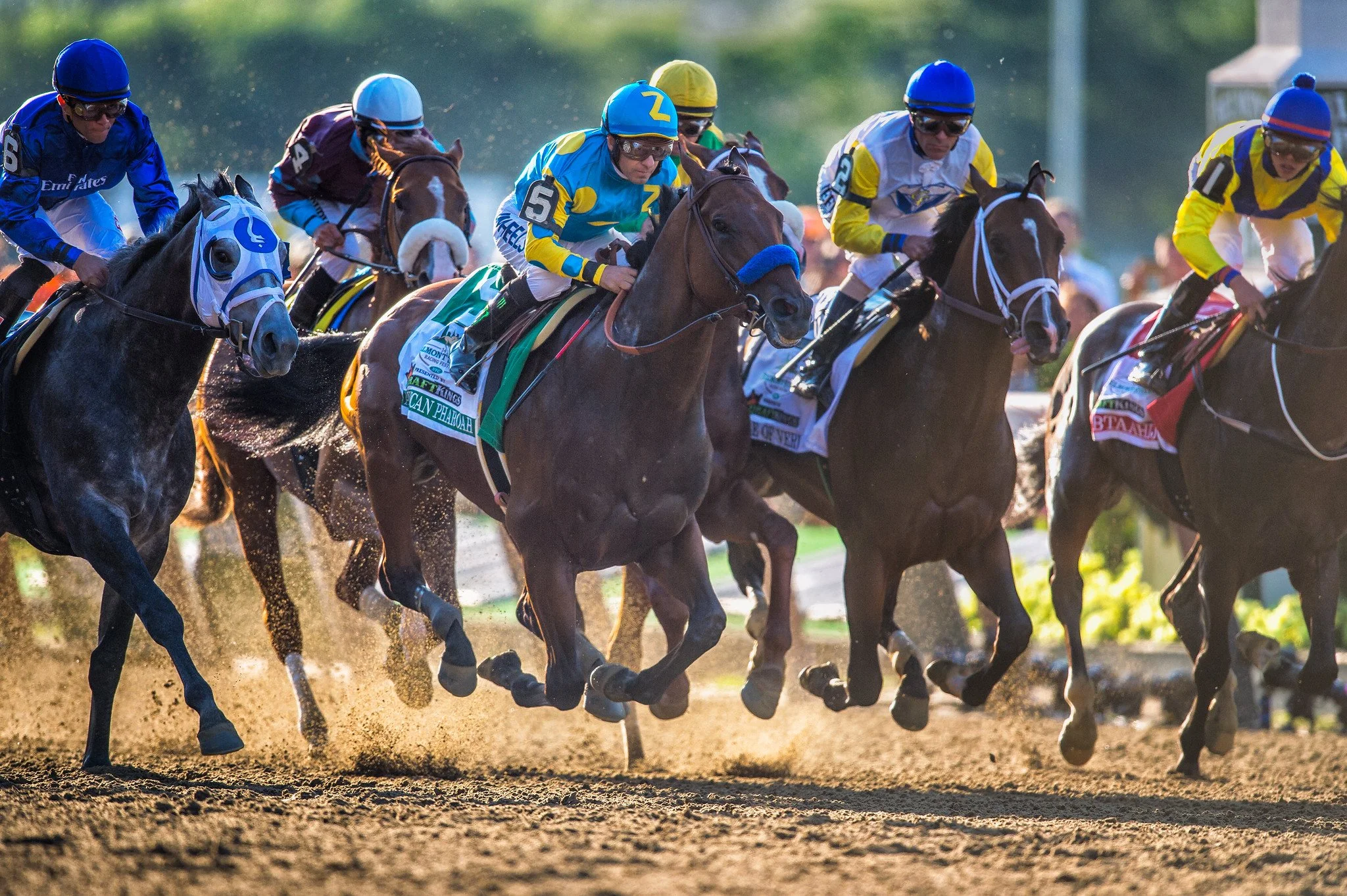
Horses gallop at the start of a race at Belmont Park racecourse, New York. Credit: Diana Robinson/CC BY-NC-ND 2.0
Major online travel site Tripadvisor has now banned ticket sales for horse racing tracks across the U.S. and the rest of the world, citing violations of its Animal Welfare Policy.
Leading horse racing venues including Churchill Downs, Keeneland, and Del Mar are all affected, as are historic British courses such as Aintree, Cheltenham, and York.
Users can still post reviews and photos for these venues but, under the new rules, tickets can no longer be purchased. Instead, the listings now include a disclaimer advising that the race track does not currently meet Tripadvisor's Animal Welfare Policy.
"Tripadvisor will not allow ticket sales via its platform for, and will not generate booking revenue from, specific experiences where domesticated animals are put at heightened risk of injury or death for the sake of sport or entertainment," Tripadvisor said in an online statement. "This means Tripadvisor does not enable booking for experiences that involve animal racing, such as most dog, horse and camel racing or for rodeo-style events, where the format of the activity typically creates these risks."
“This is the definition of moral progress,” said Patrick Battuello, founder of Horseracing Wrongs (HW), a non-profit committed to ending horse racing in the U.S., and which has been tracking annual horse fatalities at public U.S. racecourses since 2014. During that time, more than 12,000 horses have been killed, including 1,237 in New York; 1,144 in California; and 1,027 in Pennsylvania.
Battuello estimates that around 1,800 race horses perish across America each year, which equates to around five per day. “Death at the track is neither clean nor tranquil,” said Battuello. Causes of death typically include cardiovascular disease; pulmonary hemorrhage; broken necks; severed spines; and shattered legs, while such fatal afflictions as colic, laminitis, and infection, can occur away from the track.
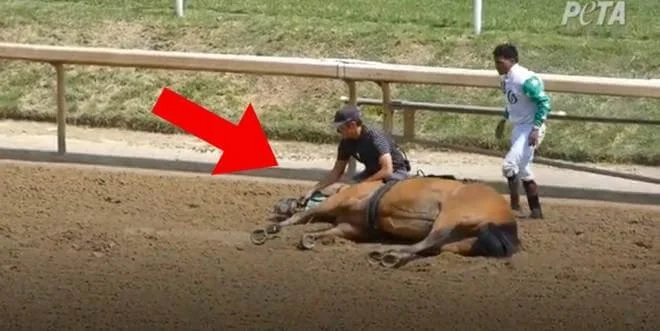
A horse named Lost in Limbo after suffering a fatal injury at Churchill Downs in 2023. Photo: PETA
Churchill Downs, one of the country’s most prestigious tracks, which hosts the Kentucky Derby and posted annual profits last year of $383 million – remains one of the deadliest tracks, with 19 horse fatalities recorded last year.
The track in Louisville had earlier been investigated by the Horseracing Integrity and Safety Authority after an “unusually high number” of horses died during the spring of 2023. A report concluded that there was no causal relationship between the 12 dead horses and the track, but “analysis of training histories did indicate an increased risk profile for some of the horses due to the frequency and cadence of their exercise and racing schedule.”
Earlier this year, PETA accused Churchill Downs of “an appalling lack of transparency” surrounding the leg injuries sustained by Vino Subito after a race on April 28. Kathy Guillermo, PETA’s Senior Vice President, alleged that Churchill Downs failed to disclose the fact that the 3-year-old colt had been euthanized two days later, suggesting it would invite negative media attention ahead of the upcoming Kentucky Derby.
Responding to Tripadvisor’s stance on horse racing, PETA said in a statement: “The public increasingly rejects industries that harm animals. Travelers don’t want circuses that force tigers to perform, marine parks that confine orcas in tiny tanks, or racetracks that push horses past their limits, drug them when they’re sore, and discard them when they stop making money.”
And even Jonathan Stettin, a racing insider and lifelong bettor, said that the industry must look at its own failings, rather than criticize Tripadvisor.
“Tripadvisor didn’t invent breakdowns. Tripadvisor didn’t create kill pens. Tripadvisor didn’t create medication violations, sore horses, economic pressures or racing’s historic tendency to circle the wagons when outsiders criticize us,” he wrote in his latest column for Past The Wire. “Tripadvisor put a warning label on something racing has been struggling with since long before Tripadvisor existed.”
In February of this year, Stettin penned an open letter to The Jockey Club (TJC), demanding tighter regulations. In particular, he expressed concern that many horses are ending up at slaughterhouse-bound auctions or exported to slaughter facilities after they finish racing. He blamed TJC’s lack of oversight as a primary contributor to the slaughter pipeline.
Each year, New York State funnels roughly $230 million in public money into the horse racing industry, much of it drawn from casino revenue. Join Species Unite in urging New York State to stop subsidizing the horse racing industry and redirect public funds toward priorities that serve New Yorkers. Sign the petition.
With animal stories making up less than 2% of the news cycle, we're here to fill that gap. Sign up for Species Unite’s weekly news digest.
The animals need a newsroom in their corner
Every week we dig into the animal stories the mainstream news overlooks. Investigations, exposés, legal battles, and victories - none of it happens without your support. A monthly gift of as little as $5 keeps us covering the 98% of animal news the world isn't seeing.
More stories:
A former president and conservationists have criticized Botswana’s decision to kill 23 elephants for meat as part of its 60th independence celebrations.