
The Endangered Species Act is being gutted. Here’s where it stands today
Species Unite examines recent federal actions that threaten longstanding wildlife protections and the future of the Endangered Species Act.
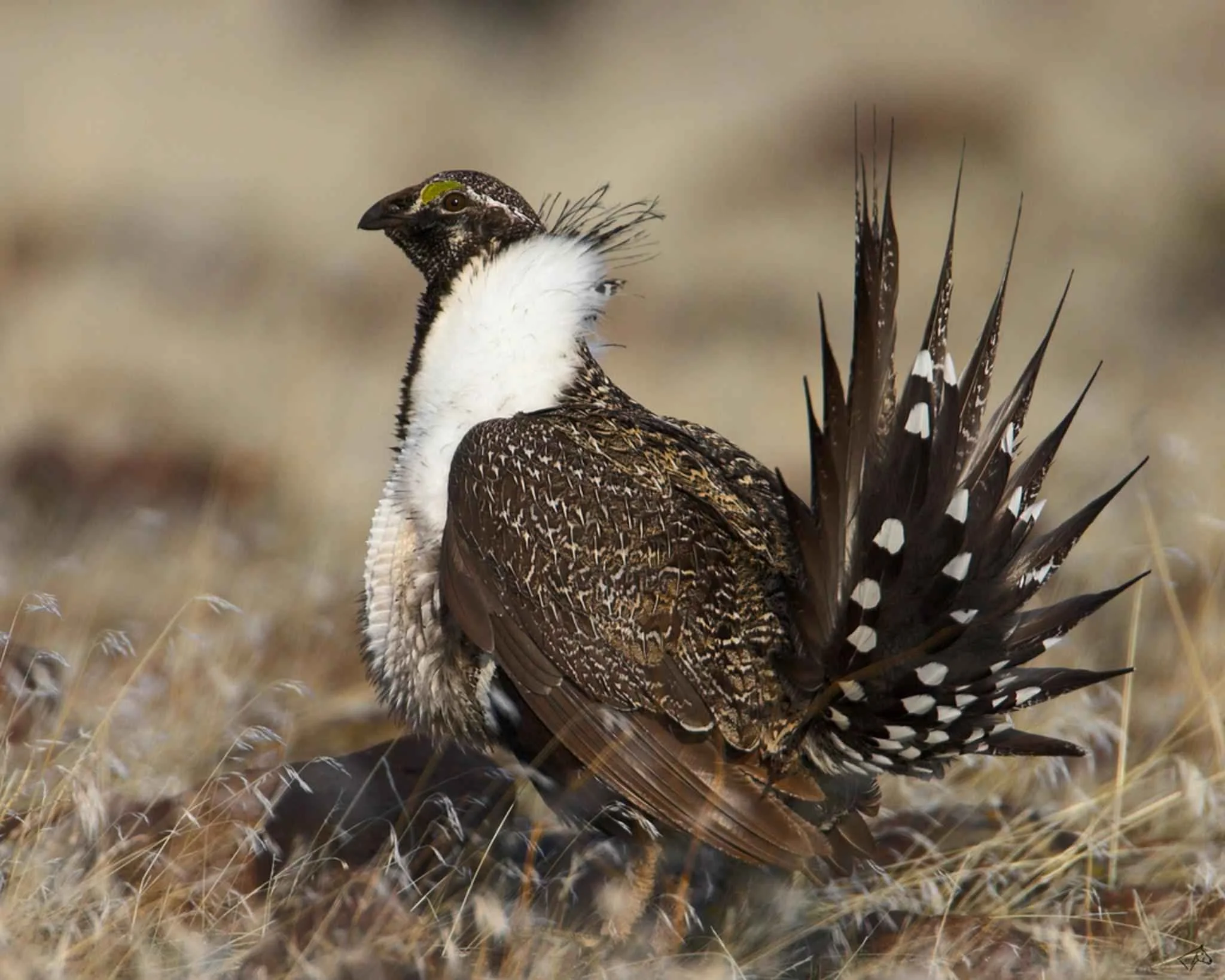
Photo: USFWS
Recent moves in Washington, DC may lead to the end of countless inhabitants of America. A Trump Administration and Republican House of Representatives are eviscerating longstanding protections for native birds, animals, fish insects and plants.
In January, Congress passed a funding bill covering the Fish & Wildlife Service (FWS) that cuts by 36 percent the already minuscule budget for adding names to the Endangered Species List. Placement on the list protects a species from being killed, harmed, harassed or captured under the Endangered Species Act (ESA), the law that since 1973 has saved hundreds of species from biting the dust. On top of that, the Trump Administration is working on rules designed to eviscerate the law, though it received hundreds of thousands of letters of protest.
Congress approved a spending bill for FY 26, which runs through September, that gives FWS only $14 million for adding to the list of living entities entitled to protection, a cut from $22 million in FY 25. But even $22 million “wasn't enough. It needs to be four times that,” says Noah Greenwald, endangered species director at the Center for Biological Diversity.
FWS listed no new species during the first year of the second Trump Administration, which hasn't happened since the last Bush Administration in 2007. Currently, more than 500 species are languishing on the list. At least 47 went extinct waiting for a decision.
The appropriations bill specifically singles out one bird to get no protection, the greater sage grouse, a ground-nesting fowl known for its colorful courtship dance. It has lost maybe 80 percent of its range and population since 1965 because of habitat loss, wildfires, invasive species and resource development. The bill prohibits saving the bird so resource developers and farmers can continue to destroy its turf.
Meanwhile, political appointees running FWS are working on regulatory changes that would largely eviscerate protection for species already listed. It is still working on a proposal issued last April that would allow habitat destruction. The proposal elicited nearly 243,000 comments. Most opposed the idea.
And last November, FWS and the National Oceanic & Atmospheric Administration (which enforces ESA for aquatic life) issued four new proposals (as separate items issued the same day) that would further weaken ESA protection so resource developers can drill and blast plains and shores. The proposals would end the automatic protection threatened species (those headed for endangered status) get, allow the government to consider factors such as economics and national security when listing a species (law specifically requires only science), and make it harder to set aside new habitat for breeds on the brink. The proposed rules would also forbid agencies from considering possible future danger to a species (such as projected climate change).
The agencies gave only 30 days for public comment. Advocates again protested by the thousands. “ESA has functioned well without undue burden on the economy or national security. In our view, there is no need to fix what is not broken,” the Maryland Ornithological Society wrote.
Concerning future danger, Rumney Marsh Conservancy in Massachusetts pointed out that “(s)ea level rise, increased tidal flooding, erosion, and marsh drowning are actively reshaping coastal salt marshes across the commonwealth....The long-term survival of the saltmarsh sparrow depends on forward-looking habitat protections that account for future tidal conditions, not just current occupancy.”
Republicans in Congress, meanwhile, are trying as hard as Trump's appointees to ruin ESA. In December, the House Natural Resources Committee (NRC) approved the ESA Amendments Act of 2025 (H.R. 1897). The bill would give more discretion to private landowners, make it easier to take species off the list and restrict lawsuits challenging government decisions, among other provisions tilting the balance of the law to property owners and energy developers.
The committee especially has it in for wolves. The House passed in December what the NRC euphemistically labeled the Pet & Livestock Protection Act of 2025 (H.R. 845), the sole purpose of which is to remove the gray wolf from the endangered species list, even though a court ruled in 2022 that it must remain. And in January, NRC approved the also euphemistically titled Enhancing Safety for Animals Act of 2025 (H.R. 4255) to remove the subspecies Mexican gray wolf from the list, even though the legislation acknowledges that at last count, only 286 live in the wild.
What you can do:
Tell your representatives to oppose HR 1897 and H.R. 4255. And if one of your senators serves on the Committee on Environment & Public Works, where the H.R 845 was referred, tell them not to advance it.
Also, if the federal government won't help animals in danger, encourage your state government to do so. Some states and local parks groups initiated their own programs. Colorado, for instance, just announced a plan to reintroduce the threatened wolverine, an animal congressional Republicans tried to eliminate.

Written by Charles Pekow
Charles Pekow is an award-winning journalist whose environmental stories have appeared in the Washington Monthly, Earth Island Journal, Mongabay News, Northern Virginia, Truthout, and other periodicals. He broke the story about how the first Trump administration was destroying the Endangered Species Act.
We Have A Favor To Ask…
Species Unite amplifies well-researched solutions to some of the most abusive animal industries operating today.
At this crucial moment, with worldwide momentum for change building, it’s vital we share these animal-free solutions with the world - and we need your help.
We’re a nonprofit, and so to keep sharing these solutions, we’re relying on you - with your support, we can continue our essential work in growing a powerful community of animal advocates this year.


A cleaner New York Harbor has drawn hundreds of humpback whales to its waters - but the same busy port that welcomes them is also killing them.