
No criminal charges filed after dozens of sloths die at Orlando facility
No criminal charges will be filed in the deaths of dozens of sloths at Sloth World Orlando, with Florida State Rep. Anna Eskamani vowing to change to state law.
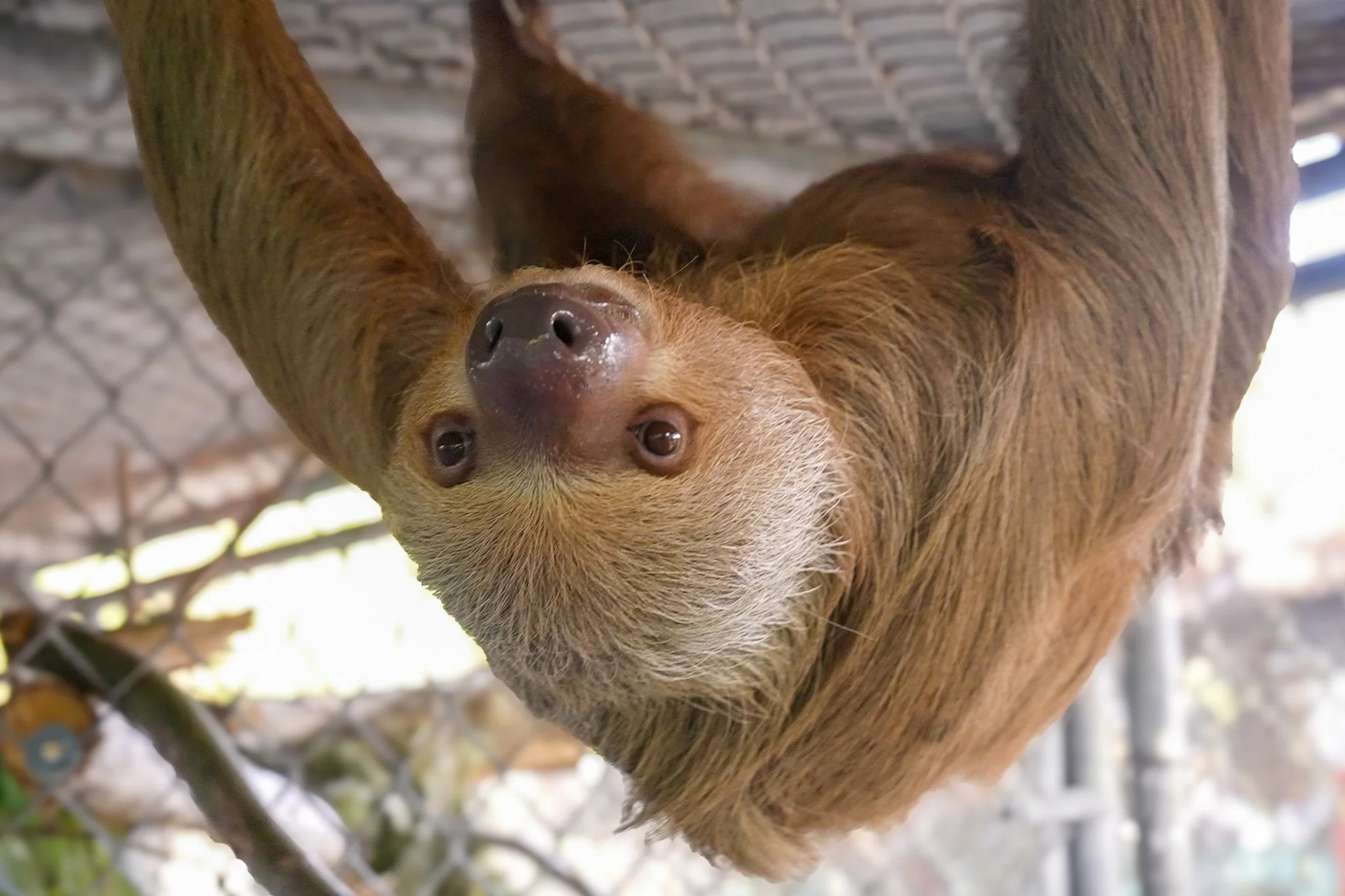
Willow, a sloth transferred from Sloth World to the Central Florida Zoo, was one of five who later died. Credit: Central Florida Zoo & Botanical Gardens
No criminal charges will be filed after dozens of sloths died under the care of Sloth World Orlando, a decision Florida State Rep. Anna Eskamani says exposes a failure in the state's own laws.
Eskamani has vowed to change state laws after the Orange County Sheriff’s Office (OCSO) announced it would not bring criminal charges in the case, following an investigation into the deaths.
Compiled over the past three months with testimony from 20 witnesses, the 44-page report concluded that “no evidence was discovered indicating intentional harm, abuse, criminal neglect, failure to provide necessary care, or any deliberate act or omission.”
Eskamani had called for criminal investigations back in May, after learning of mass deaths of wild-caught, two-toed and three-toed sloths at a quarantine facility in Orlando operated by Sloth World, which planned to open this year as the world’s first immersive, no-touch sloth experience.
The deaths started in December 2024 when 21 sloths died shortly after being imported from Guyana, while a further ten sloths died in February 2025, not long after arriving from Peru. None of the deaths were disclosed until six months later, when the Florida Fish and Wildlife Commission (FWC) made an unannounced inspection in August. The operation continued, with further imports.
Another inspection carried out on April 21 of this year – following a tip-off that several staff had resigned amid multiple sloth mortalities – revealed that 11 sloths had died during the past six weeks. By April 28, the remaining 13 sloths were given to the Central Florida Zoo.
In the OCSO report, James Bogan, the zoo’s Chief Veterinarian, said that the majority arrived in “poor condition”, including five with liquid diarrhea, four of whom later died. According to the zoo’s Associate Veterinarian Haley Straub, the deceased animals all suffered from severe gastrointestinal disease.
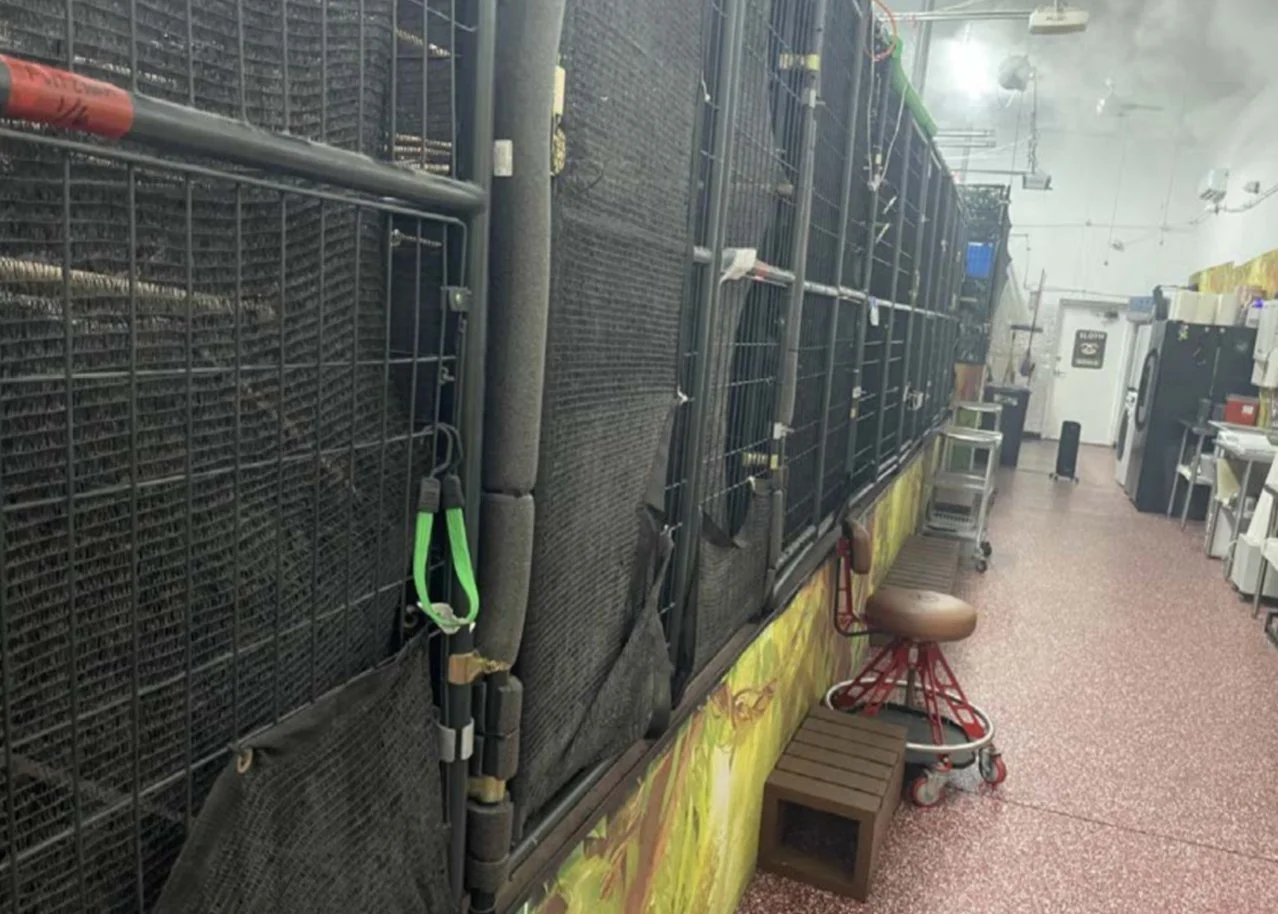
Inside one of Sloth World’s warehouses. Credit: Courtesy of Florida Fish and Wildlife Conservation Commission
Severe gastrointestinal dysfunction was the cause of death in the opinion of John Roberts, Head Pathologist at Bronson Animal Disease Diagnostic Laboratory in Kissimmee. However, he opined that the sloths were already sick before they entered the U.S. He explained that their health problems likely began as soon as the sloths were captured from the wild and held in facilities prior to export.
Responding to the OCSO report, the Sloth Protection Alliance (SPA) said that this strengthened the case for banning sloth imports. “If U.S. authorities cannot control or guarantee how wild sloths are captured, housed, fed and treated before export … then wild-caught sloths should not be imported into the United States for commercial entertainment,” it said in a press release.
The SPA also argued that pre-existing disease should not absolve Sloth World. “The sloths were captured from the wild, held, prepared for export, and transported because they had been ordered for Sloth World’s commercial operation. Their suffering before arrival in Florida is Sloth World’s fault, and the neglect continued once they entered Sloth World property.”
Several expert witnesses – including Adam Stern, a veterinary forensic pathologist – said that while the sloths likely died of an infectious disease outbreak, stress could well have played a “significant contributing factor in the progression of disease.” Herpeviruses, for example, can remain dormant within an infected animal and reactivate when the animal experiences stress or immunosuppression. Stressors identified throughout the reports included transportation, housing conditions, temperature changes, lighting, nutrition, husbandry deficiencies, and overcrowding.
In addition, Rebecca Restrepo – who worked for Sloth World from January to May 2025 – described multiple concerns regarding inconsistent diets, antibiotic use, animal handling procedures, tick infestations, and veterinary decisions, and said that staff appeared to be learning proper sloth care on the job. Restrepo added that she believed the owners cared about the animals, but became “overwhelmed” and were simply unprepared.
Eskamani said that under current law, she accepts the OCSO’s decision. “Dozens of sloths were captured, shipped across the world, and died, and under Florida law as it exists today, no one is held accountable. That is not a failure of the investigators. It is a failure of our statutes and our rules,” she said. “When a facility can be in full compliance with every applicable state standard and animals still die by the dozens, the standards themselves are the problem. Compliance is not the same as care.”
Eskamani added that she will work with state lawmakers, FWC, and wildlife and veterinary experts to improve Florida’s rules on imports, permits, and housing of exotic and highly specialized species.
The U.S. Fish and Wildlife Service (FWS) has the power to stop or severely restrict these imports, close regulatory loopholes, strengthen enforcement, and prevent facilities like Sloth World from obtaining wild-caught sloths. Join Species Unite in calling on the FWS to halt the commercial import of wild-caught sloths into the U.S. and strengthen federal protections to end this trade. Add your name here.
With animal stories making up less than 2% of the news cycle, we're here to fill that gap. Sign up for Species Unite’s weekly news digest.
The animals need a newsroom in their corner
Every week we dig into the animal stories the mainstream news overlooks. Investigations, exposés, legal battles, and victories - none of it happens without your support. A monthly gift of as little as $5 keeps us covering the 98% of animal news the world isn't seeing.
More stories:

A cleaner New York Harbor has drawn hundreds of humpback whales back to its waters for the first time in generations, but the same busy port that welcomes them is also killing them.