
Wyoming Hunt Areas 1 and 2 Closed for the Season: Mollie's Pack Survived, but 4 Wolves Lost Their Lives
Hunt Areas 1 and 2 in Wyoming closed just four days into the 2026 wolf hunting season after hunters reached the combined quota of four wolves for the two areas. The historic Mollie's Pack, the last remaining pack descended from Yellowstone's original 1995 wolf reintroduction, was thankfully unharmed during the hunt despite widespread concern that the pack had wandered beyond the protection of the national park, where hunting is not permitted, in the months leading up to the Wyoming hunting season.
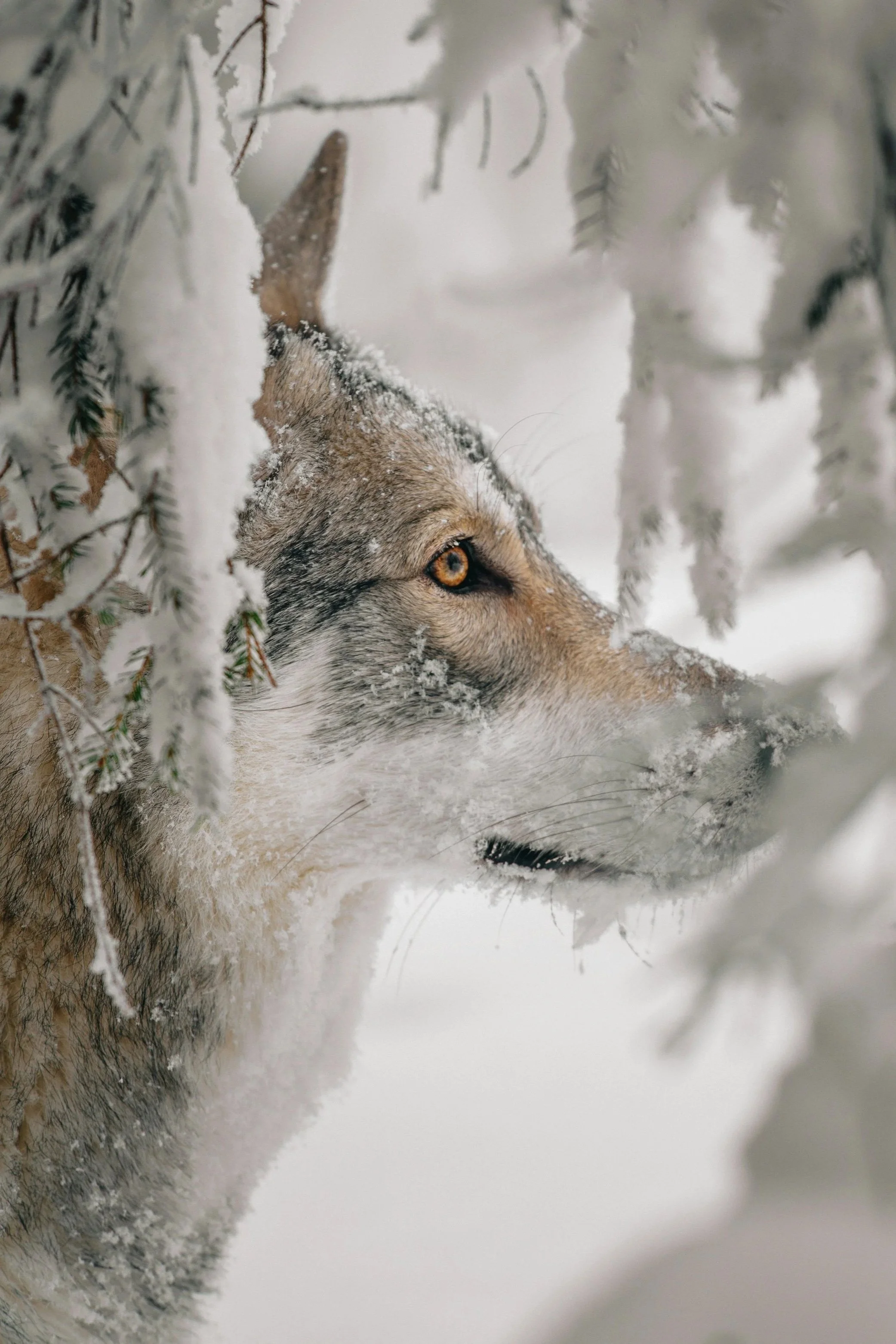
Mollie's Pack includes an elderly wolf known as 1090F, who is one of the oldest known wolves in Yellowstone's history. In the weeks before the hunt opened, hunters publicly expressed their intention to target Mollie's Pack, including its 12-year-old matriarch. Thankfully, the pack had moved mostly back into Yellowstone by the start of the season, and Wyoming officials have now confirmed that none of the four wolves killed in Hunt Areas 1 and 2 came from packs previously associated with Yellowstone.
Unfortunately, the survival of Mollie's Pack does not mean the season was victimless. Four wolves still lost their lives during the hunt, and their deaths are a heartbreaking reminder of the dangers wolves face outside Yellowstone's boundaries.
The death of any wolf to trophy hunting is an unnecessary tragedy, and wolves in the Northern Rocky Mountain region, which includes Wyoming, Montana, and Idaho, have been left without federal protections for more than a decade. These states have used their control over wolf management to wage a relentless war on these intelligent, social, and emotionally complex animals, embracing cruel methods such as neck snares, baiting, and bounty payments in an effort to drive wolf numbers as low as possible. In Wyoming, wolves across 85% of the state are classified as predators, which means they can be killed year-round without a license, without a limit, and with few restrictions on how they are killed. Even this year, as a distemper outbreak pushed Wyoming's wolf population to its lowest level in two decades, the state still approved a hunt allowing up to 22 wolves to be killed. These are not the decisions of wildlife managers guided by sound science, but of states that have shown again and again that they cannot be trusted with the future of wolves. Wolves in the Northern Rockies must be relisted under the Endangered Species Act, so that no wolf family, whether it lives inside or outside Yellowstone's boundaries, is left at the mercy of trophy hunters and state politics.
Thank you to everyone who signed our petition calling on the Wyoming Game and Fish Commission to close Hunt Area 1 and protect Mollie's Pack. More than 15,000 people have now signed, and last week we sent the petition directly to the seven members of the Commission. We are incredibly grateful to everyone who spoke out for Mollie's Pack and helped make sure their voices were heard.
With the 2026 hunting season now closed in Hunt Areas 1 and 2, and Mollie's Pack back in the safety of Yellowstone, we will be closing this petition. But the broader fight to protect wolves is far from over.
You can keep taking action for wolves like Mollie's Pack by signing our petition calling on Secretary of the Interior Doug Burgum to restore Endangered Species Act protections for gray wolves in the Northern Rocky Mountain region. Every wolf deserves the chance to live and raise its family in peace, and together we can make sure the voices that stood up for Mollie's Pack keep speaking out for all wolves until they are protected once again.
What You Fought Against
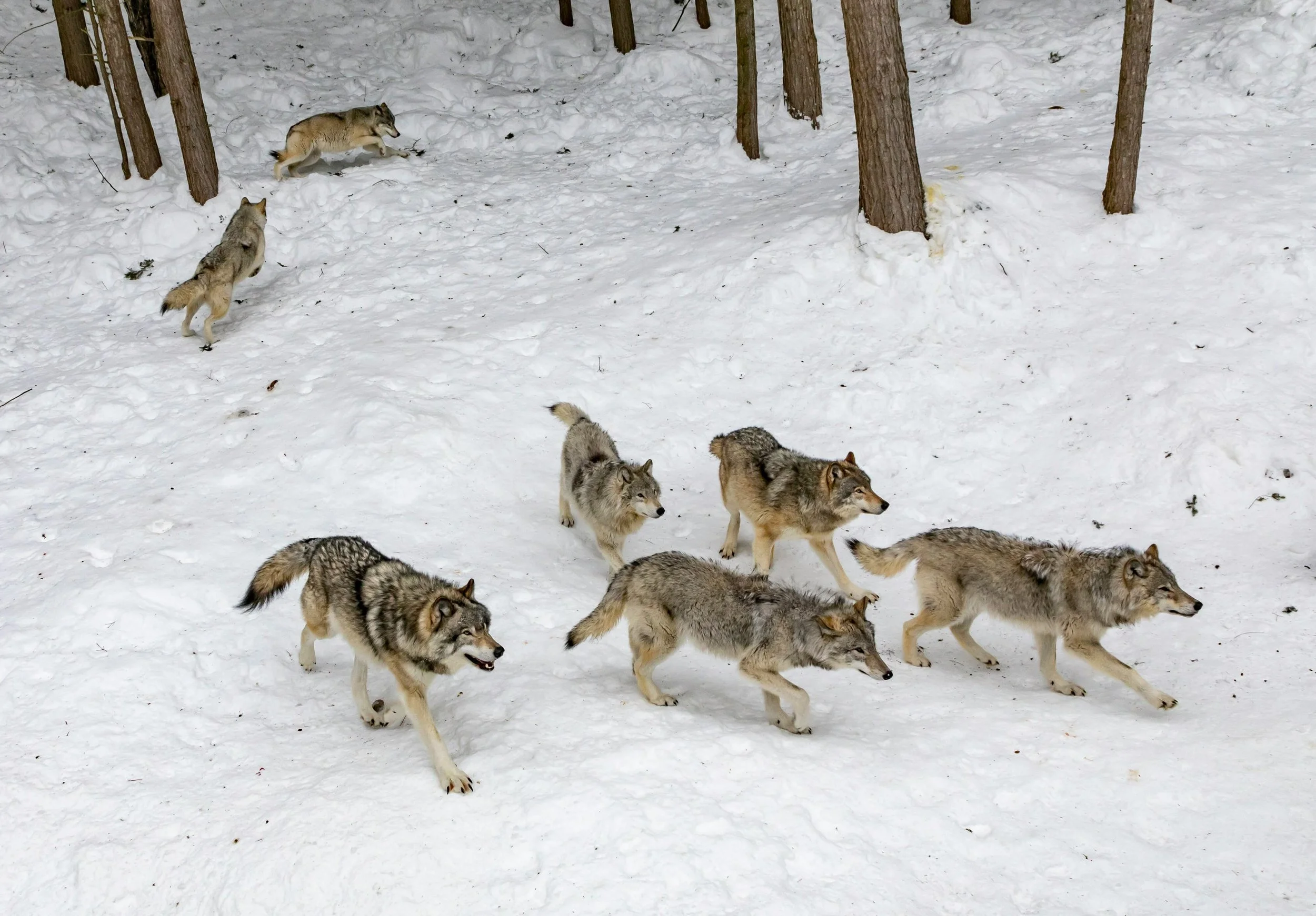
For more than 30 years, Mollie’s Pack has represented one of the greatest conservation success stories in North America.
This extraordinary family of wolves is the last remaining pack descended from Yellowstone’s original 1995 wolf reintroduction, one of the most celebrated wildlife restoration efforts in American history. Their story represents what is possible when humans choose restoration and coexistence over persecution.
Originally known as the Crystal Creek Pack, they were renamed in honor of Mollie Beattie, the first woman to serve as Director of the U.S. Fish and Wildlife Service, who played an important role in bringing wolves back to Yellowstone before her death from cancer in 1996.
For decades, Mollie’s Pack has been one of the most studied wolf families in the world. Their lineage has remained intact for generations, making them a living connection to one of the most important conservation achievements of our time. Scientists have described them as having the longest-known intact genetic lineage of any wolf pack in North America.
Recently, this historic family was in grave danger.
Due to changing ecological conditions, including an unusually mild winter that left prey less vulnerable and more difficult to hunt, Mollie’s Pack moved farther outside the safety of Yellowstone National Park’s boundaries than ever before, into Wyoming’s Sunlight Basin area.
This region is less than an hour from where Hope, a yearling wolf, was subjected to a horrific act of cruelty in 2024 that shocked people around the world. The case exposed the very real dangers wolves face when they leave the protection of Yellowstone National Park and enter areas where hostility toward these animals remains deeply entrenched.
Mollie’s Pack spent an extended period of time in Wyoming’s Hunt Area 1, where the state had approved a 2026 wolf hunting season with a limit of four wolves.
Concerned advocates urged the Wyoming Game and Fish Commission to take action and temporarily close Hunt Area 1 for the 2026 wolf hunting season. Despite these requests and the extraordinary circumstances facing this historic pack, the Commission allowed the hunt to move forward.
Over 15,000 members of the Species Unite community asked the Wyoming Game and Fish Commission to reconsider that decision.
Mollie’s Pack is not just any group of wolves. They represent decades of conservation history, scientific research, and the remarkable recovery of a species that was once nearly eliminated from the American West.
The loss of even one member of this family could have devastating consequences. Mollie’s Pack includes five pups, and among the adults is Wolf 1090F, the pack’s 12-year-old matriarch and one of the oldest known wolves in Yellowstone’s history.
This majestic grandmother wolf has spent more than a decade leading and raising her family. She deserves the chance to spend her remaining years surrounded by her pack and to die of old age, not be killed as part of a trophy hunt.
Wolves are not villains. They are intelligent, social animals who form deep family bonds, care for their young, and play an essential role in maintaining healthy ecosystems. Mollie’s Pack represents a family, a legacy, and one of America’s greatest conservation achievements. Thankfully, despite the inaction of the Wyoming Game and Fish Commission, they survived the hunt and returned to the safety of Yellowstone National Park, where we hope they will continue to thrive for generations to come.