
Victory! The World's First Commercial Octopus Farm Has Been Stopped
After four years of campaigning, we finally have the news we have all been hoping for. Nueva Pescanova has officially abandoned its plans to build the world's first commercial octopus farm in the Canary Islands, a facility that would have confined and slaughtered more than one million octopuses every year.
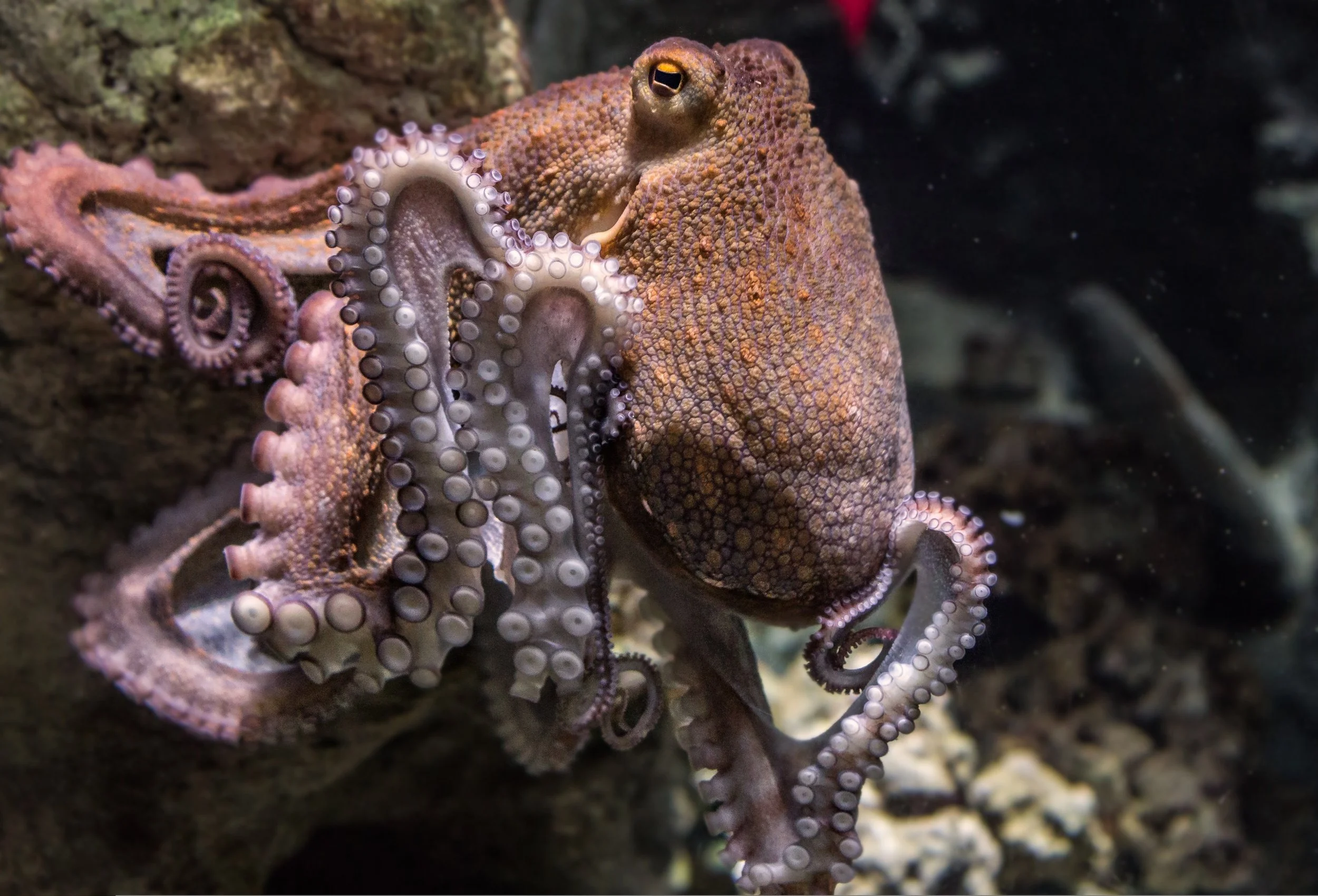
This is an enormous victory for octopuses, and it would not have been possible without the support of this incredible community.
More than 52,000 people signed our petition calling on Spanish officials and the European Union to stop this dangerous new form of factory farming before it began. Together with scientists, conservationists, advocates, and compassionate people around the world, our community helped send a powerful message: one of the most intelligent, curious, and emotionally complex animals on Earth should never be forced into a life of industrial confinement.
When we launched this campaign in 2022, the proposed facility represented a terrifying new frontier in factory farming. Octopuses are naturally solitary animals that thrive in complex ocean environments, not crowded tanks. Scientists warned that farming them would inevitably result in chronic stress, injury, aggression, and immense suffering. Leaked planning documents confirmed those fears by revealing that the company intended to keep the animals under constant artificial light and kill them by freezing them to death in ice slurry, a method widely considered to be inhumane.
Thankfully, that future will now never become a reality.
This victory also reflects just how much public awareness has grown over the past several years. When this campaign began, few people had even heard of octopus farming. Today, lawmakers, scientists, and animal advocates around the world increasingly recognize that these remarkable animals cannot be farmed humanely. Washington, California, and New York have all banned octopus farming, while other states and countries are considering similar protections. Together, these efforts have helped build global momentum against an industry that many experts believe should never exist.
While we are celebrating today, our work is not finished. The company may have abandoned this particular project, but there is still nothing preventing similar facilities from being proposed elsewhere. That is why we will continue advocating for stronger legal protections that recognize the sentience of octopuses and permanently prohibit this cruel practice before it can take hold.
Thank you to everyone who signed, shared, and helped spread the word over the past four years. Every signature, every share, and every voice helped build the movement that made this victory possible. We will now be closing this petition with our deepest gratitude to everyone who took action.
If you live in the United States, you can continue helping octopuses by urging your members of Congress to support the OCTOPUS Act. If you live outside the United States, please consider signing our petition calling on the European Commission to extend animal welfare protections to invertebrates, including octopuses, so that proposals like this can never move forward again.
Because of the thousands of people who spoke out, plans to confine and kill more than one million octopuses each year will never become reality. This victory belongs to everyone who believes that factory farming should never expand to include one of the ocean's most extraordinary animals.
What You Fought Against
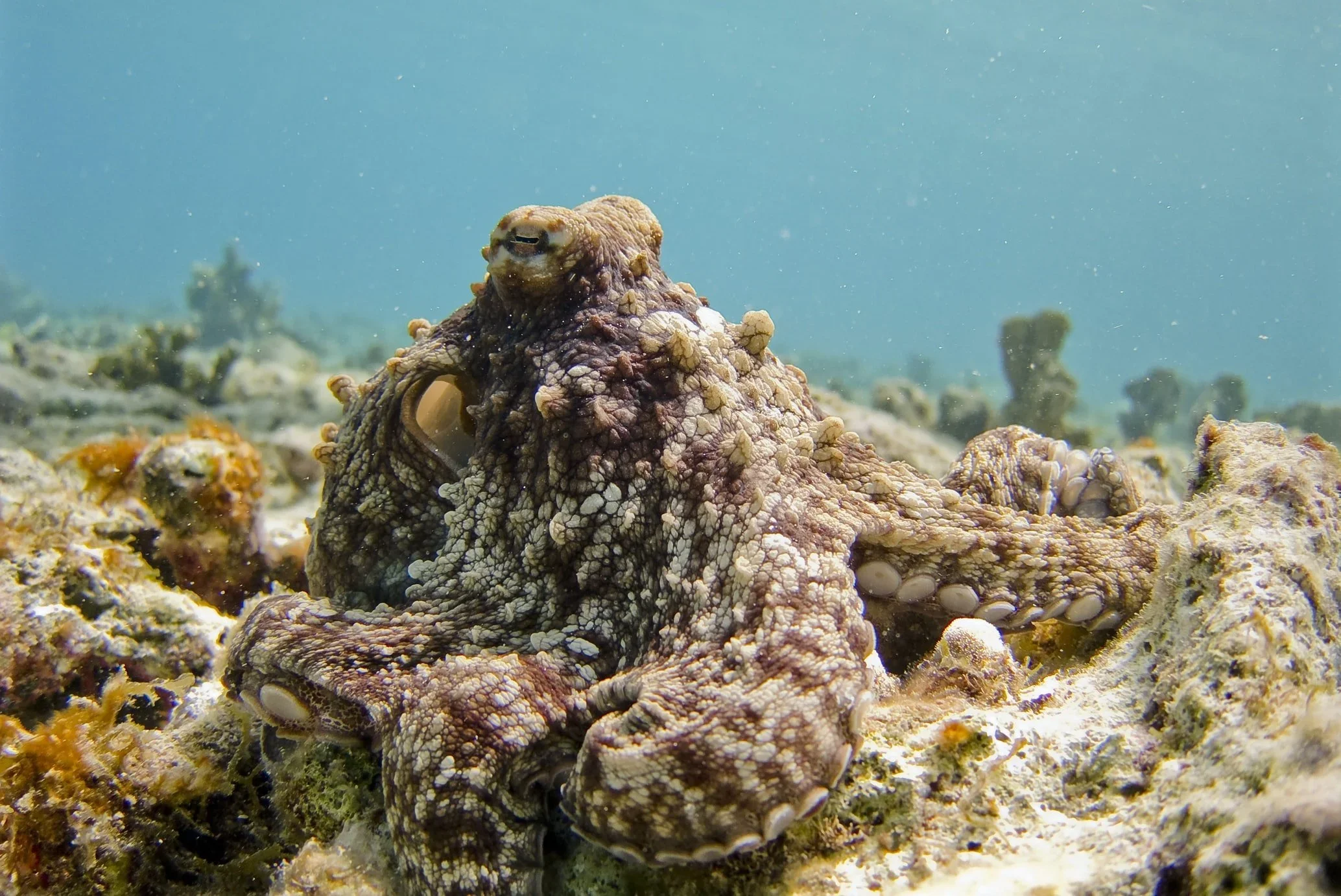
One of the most intelligent and emotionally complex species on Earth was set to become the newest victim of the horrors of factory farming if multi-million-dollar Spanish corporation Nueva Pescanova was not stopped. Nueva Pescanova planned to open a commercial octopus farm in the Canary Islands, where more than one million captive octopuses would have been kept and killed every year for human consumption.
A review of hundreds of scientific studies found strong evidence that octopuses are sentient beings who can experience complex emotions such as pain and joy. The researchers who compiled the data also concluded that it would be impossible to farm these animals in a humane way. Thanks to this groundbreaking report, the United Kingdom amended its Animal Welfare (Sentience) Bill to recognize octopuses as sentient beings that are therefore entitled to welfare protections.
Octopus sentience is sadly not yet formally recognized in the EU, which meant that if Spain had opened the world's first octopus factory farm, these precious creatures would likely have lived short, horrible lives in torturous conditions with no legal protections.
Nueva Pescanova was disturbingly tight-lipped about how the animals would be kept, what kind of food they would eat, and how they would be slaughtered. But documents leaked in March 2023 indicated that the proposed facility would have subjected octopuses to cruel conditions and a painful, stressful, and slow death.
In addition, these animals, accustomed to living in solitary, dark conditions, would have been forced to live in cramped tanks under 24-hour light. Octopuses' anatomy leaves them vulnerable to injury if they are kept in close confinement because they do not have skeletons to protect them, and because they are solitary, territorial creatures, experts warned they could become cannibalistic in captivity. Moreover, octopuses change their behavior in the light due to fear of predators, meaning they would have experienced constant stress. Due to these conditions, Nueva Pescanova estimated in its documentation that there would be "a mortality rate of 10-15%," a horrifying number.
As exposed in the leaked documents, Nueva Pescanova also planned to kill up to one million octopuses each year by submerging them in 500-liter "ice slurry" tanks, where they would eventually freeze to death, a method scientifically proven to be inhumane.
Nueva Pescanova claimed it was opening this intensive farm to compensate for the fact that wild octopus populations are in steep decline from overfishing. Conservationists, however, saw no reason why the fishing industry would stop hunting wild octopuses in addition to raising them in captivity, and there was great concern about the fish that would be used as a food source for octopuses raised in confinement. There is already an enormous strain on aquatic animals from overfishing, as trillions of aquatic animals are killed every year for human consumption.
This new form of animal cruelty would likely only have made things worse for wild fish populations, as octopuses only eat live food and can consume 1-2% of their body weight each day in fish and other sea creatures. This new industry could also have put human consumers at risk, as aquatic animals raised in captivity are more likely to contract transmissible diseases.
Thankfully, after years of opposition from scientists, conservationists, animal advocates, and concerned people around the world, Nueva Pescanova abandoned its plans to build the world's first commercial octopus farm in July 2026, preventing this cruel new form of factory farming from becoming a reality.