
Victory! NYC Council votes to ban horse carriages in historic landslide
In a major victory for horses over 100 years in the making, the New York City Council voted on October 22, 2026, to finally put an end to the city’s cruel and dangerous carriage horse industry. Intro 943, known as Romanch’s Law, passed in a historic landslide, with 40 votes in favor, only 7 opposed, and 2 abstentions.
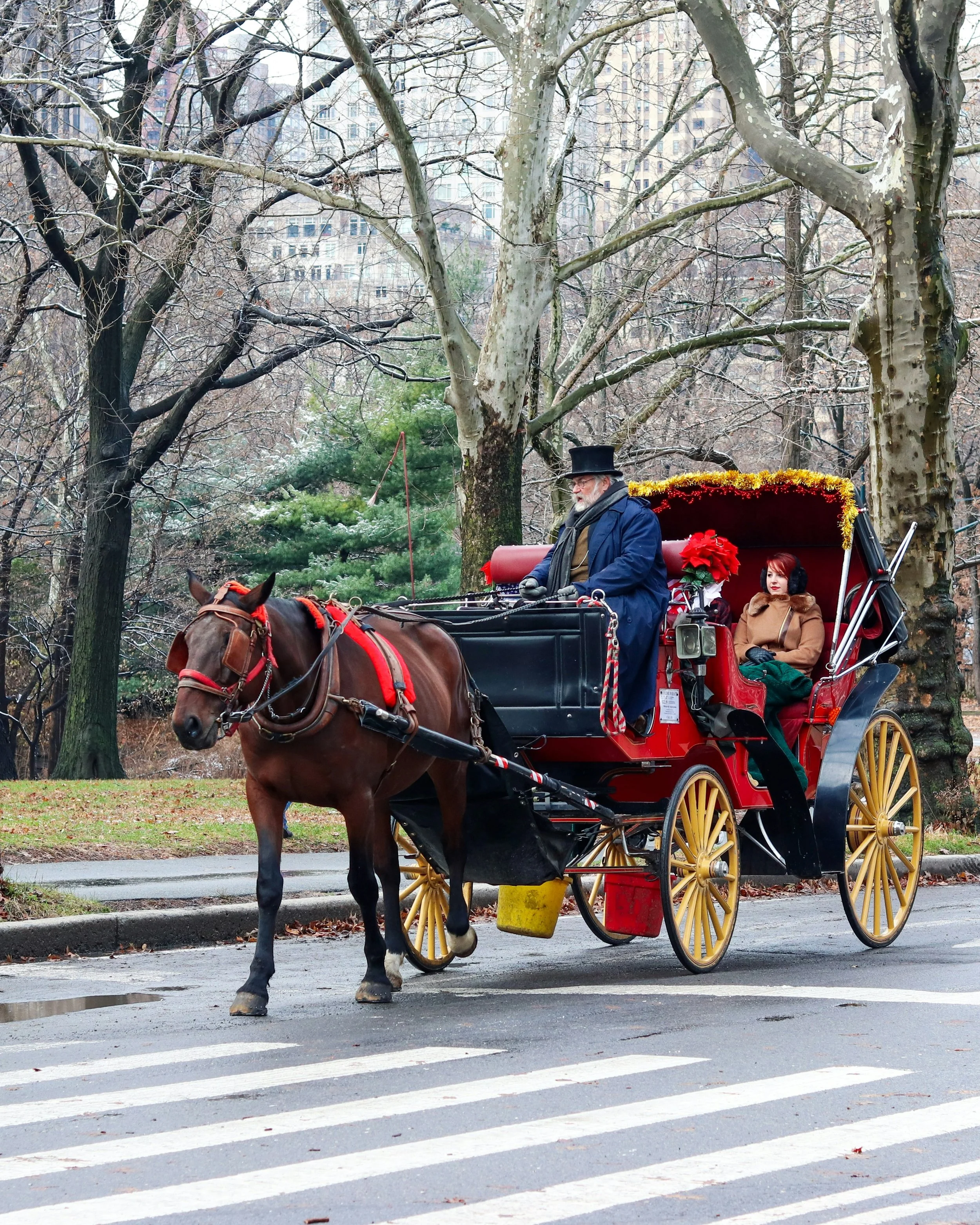
For generations, horses in New York have been forced to pull heavy carriages through some of the most chaotic streets in the world in the extreme heat of summer and the bitter cold of winter, with many suffering serious injuries and even dying as a result. Even with countless incidents of horses becoming frightened and bolting into traffic, putting pedestrians, cyclists, and drivers in danger, these risks were not enough to push the bill across the finish line. The turning point came in June 2026, when the everyday dangers of this industry proved fatal and 18-year-old tourist Romanch Mahajan died after falling from a runaway carriage.
During the vote, many council members expressed their support for the Mahajan family, who have turned their grief into advocacy for change. Council Member Christopher Marte (D-Manhattan), who sponsored Romanch’s Law, spoke passionately about the historic nature of the vote after generations of advocacy for these horses had gone unheard, and shared that he called Romanch’s father, Deepak Mahajan, in India ahead of the vote. Outside City Hall, Romanch’s uncle Gaurav Mahajan spoke about his family’s resolve to see the bill passed so that no one else suffers the same shattering loss, and to finally lift the heavy burden from the shoulders of the innocent horses trapped in this trade.
The bill will phase out New York City’s horse-drawn carriage industry by June 1, 2028, to give carriage horse operators time to transition to other livelihoods. While we wish these horses could be freed today, the passage of this bill means that in less than two years, an industry that has put horses and people in danger for far too long will finally be relegated to the history books where it belongs. New York will join cities across the country, including Philadelphia, Chicago, Salt Lake City, and Palm Beach, that have already banned this cruel practice.
This milestone was made possible by an agreement between New York City Mayor Zohran Mamdani and Council Speaker Julie Menin. The Mayor had previously expressed concerns about whether carriage drivers had sufficient protections to transition to other livelihoods. The agreement includes a city workforce transition program and requires the city to consider compensating carriage owners. Mayor Mamdani’s support was instrumental in bringing the bill to a vote, and we now look forward to seeing him swiftly sign it into law.
We are so thankful to the more than 16,000 members of this community who signed our petition calling for New York City to ban horse-drawn carriages. We submitted your signatures to every member of the New York City Council ahead of the vote, and we are confident that all of your voices and advocacy played a role in this landslide victory for animals.
Seeing New York’s City Council pass this bill by such a wide margin is truly inspiring, and we hope that this historic win will galvanize similar action in cities across the country where horses are still exploited by this industry. We will now be closing this petition with immense gratitude for this long-awaited victory. Thank you for standing with these horses and helping bring them one step closer to the day they are finally free.
What You Fought Against
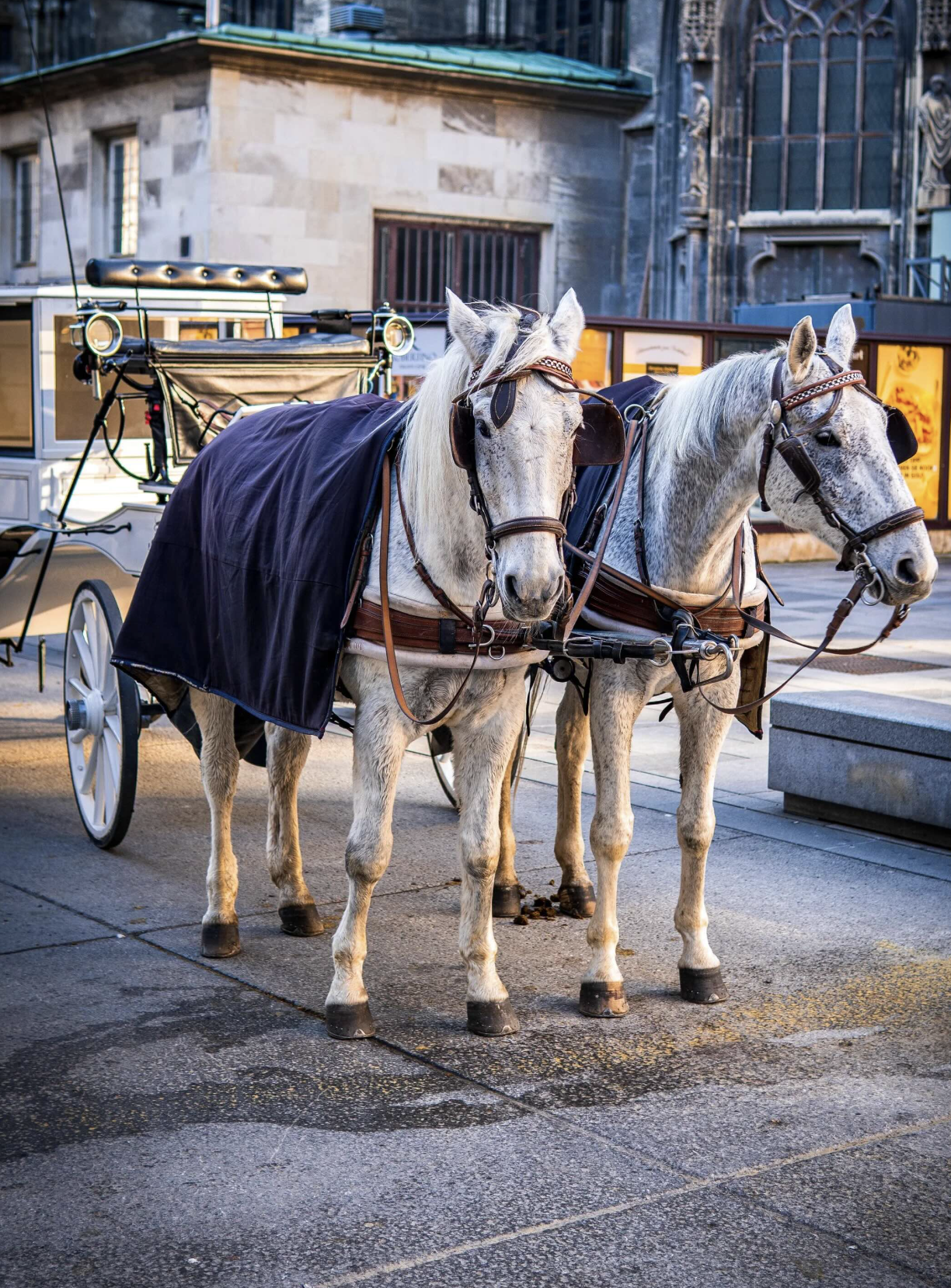
In August of 2022, a video went viral showing Ryder, an elderly and visibly emaciated horse pulling a horse-drawn carriage, collapse from exhaustion on a sweltering day in Midtown Manhattan. Tragically, Ryder never recovered and died just two months later, and it would take years of continued advocacy to win justice for New York’s carriage horses.
In New York’s carriage industry, horses faced a lifetime of suffering. Gentle, intelligent animals who startle easily at sudden noise or movement, they spent their working lives hitched to heavy carriages on some of the most crowded and chaotic streets in the world, where dense traffic, constant noise, and hard pavement took a continuous toll on their bodies and nerves. While on the job, they were unable to graze, breathed in exhaust fumes, and were forced to pull heavy loads through extreme heat in the summer and bitter cold in the winter.
These horses were treated as nothing more than tools for profit, rather than as sensitive individuals deserving of respect and care. Carriage drivers in New York had previously faced charges for forcing horses to work while sick or visibly injured, and city stables had been documented housing these animals in cramped, filthy stalls.
The risks associated with New York’s abusive carriage industry extended beyond harm to the horses. Countless incidents of horses becoming frightened and bolting into traffic repeatedly put pedestrians, cyclists, and drivers in danger. There had been numerous cases in which people, including children, had been injured after being struck by runaway horses or carriages.
Tragically, the everyday dangers of this industry turned fatal in June 2026, when 18-year-old tourist Romanch Mahajan died after jumping from a runaway carriage in a desperate attempt to save his mother, who had been thrown from the out-of-control vehicle. The proposed legislation to ban New York City’s horse-drawn carriage industry, previously known as Ryder’s Law, became known as Romanch’s Law following his death.
New Yorkers were tired of living with this stain on their city. Surveys showed that 71% of New Yorkers wanted horse-drawn carriages banned, reflecting widespread recognition that this practice was both dangerous and outdated.
New York had the opportunity to join cities across the country, including Philadelphia, Chicago, Salt Lake City, and Palm Beach, that had already banned this cruel practice by passing Romanch’s Law (Intro 943). Introduced in June 2026 by New York City Council Member Christopher Marte, the bill will phase out New York City’s horse-drawn carriage industry by June 1, 2028. The legislation also mandates the humane retirement of the horses currently working in New York, prohibits their sale for slaughter or transfer to other carriage businesses, and establishes a transition plan for workers in the industry.
On October 22, 2026, the New York City Council passed Romanch’s Law in a historic landslide, with 40 votes in favor, only 7 opposed, and 2 abstentions, marking a landmark decision to bring New York City’s cruel horse-drawn carriage industry to an end.