
The Dark Side of Gracie the Giraffe's Great Escape
A giraffe named Gracie recently made headlines after escaping from an exotic animal ranch in Texas, prompting a widespread search involving helicopters, drones, and even a $5,000 reward.
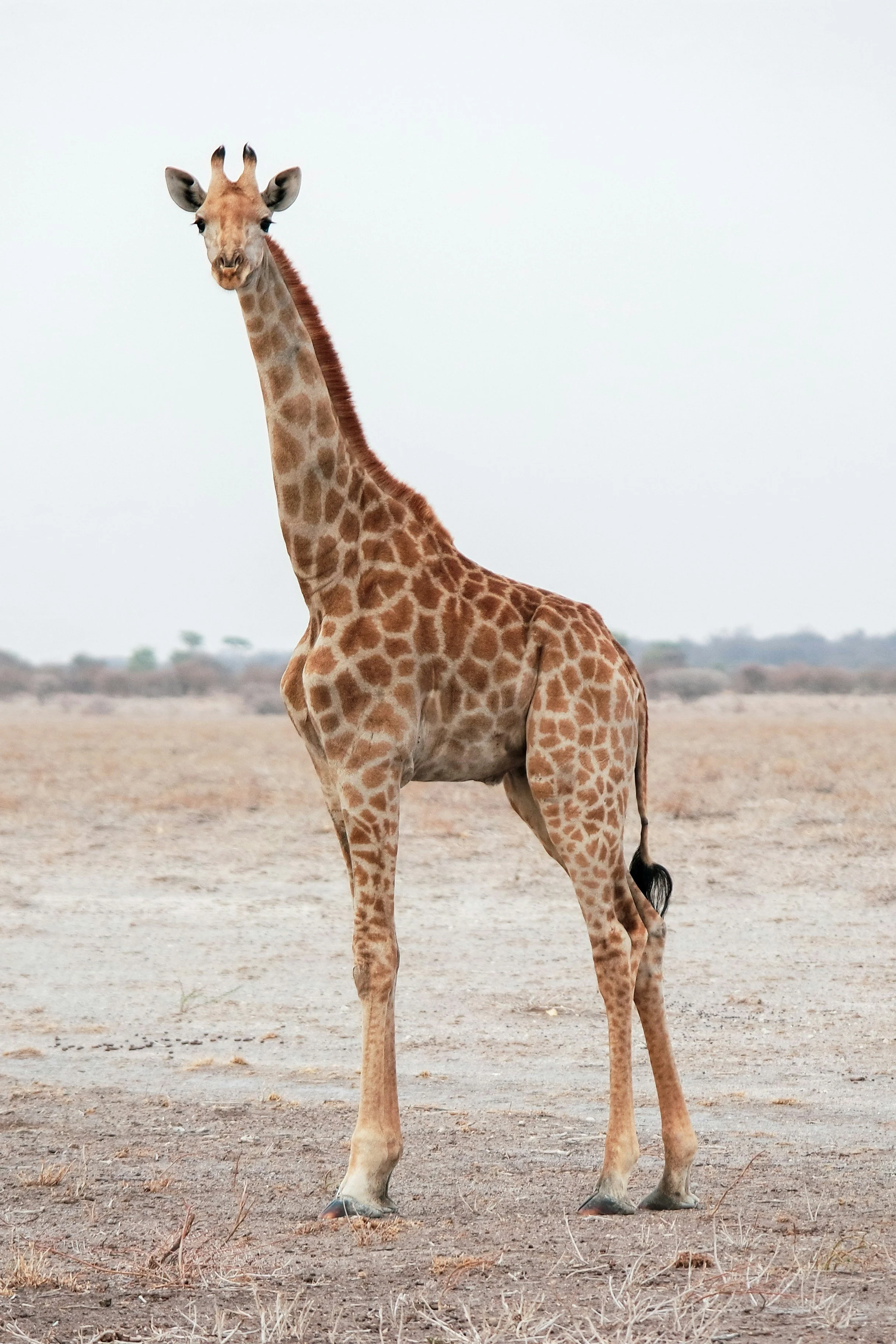
Gracie quickly went viral, inspiring lighthearted internet commentary and AI-generated images imagining what she might have been doing during her time away from the ranch. She has since been found and safely returned. But while much of the public conversation focused on the novelty of a giraffe on the loose, Gracie's story also shines a light on a much darker reality: Texas's largely unregulated exotic animal breeding industry.
Gracie lives at Cedar Hollow Ranch in Leakey, Texas, an exotic animal breeding facility that raises giraffes alongside numerous species native to Africa and Asia, including aoudad sheep, bongos, and barasingha deer. Many of these animals are endangered, threatened, or vulnerable in the wild. Yet rather than being bred to restore wild populations, they are born in captivity to be sold to zoos, private collectors, and other facilities. According to the ranch's owner, some of these animals are also sold to hunting ranches, where they can ultimately become victims of Texas's canned hunting industry.
Texas is home to hundreds of ranches that offer canned hunts, where captive animals are confined within fenced enclosures and wealthy clients pay thousands of dollars for a guaranteed opportunity to kill them for trophies. Many of these animals are endangered species that are protected in the wild but can still legally be hunted because of loopholes in state and federal law. Gracie's story is far from unique. Texas is home to more than two million captive exotic animals across 135 species, making the state's exotic wildlife trade a $1.5 billion industry.
Although Cedar Hollow now says it does not breed animals specifically for hunting, the ranch's owner previously acknowledged that animals bred there are sold both to private collectors and hunting ranches. Even more troubling, when journalists tried to ask questions about where the ranch's animals end up and how they are used, the ranch responded with hostility rather than transparency.
Gracie will likely never find herself standing in front of the barrel of a gun after being sold to a canned hunting operation, but many of the animals bred alongside her may not be so lucky due to Texas's poorly regulated exotic animal breeding and canned hunting industry. Gracie's escape deserves to be remembered not as a feel-good viral moment, but as a glimpse into the exploitation of countless other animals who are bought, sold, and killed for trophies and whose stories never make headlines.
Help us build momentum to end this violent industry once and for all by signing and sharing our petition calling on the Texas Parks and Wildlife Department (TPWD) to outlaw canned hunting of exotic and endangered animals