
Iceland Is Back to Slaughtering Whales
Iceland's commercial whale hunt is underway again, and almost immediately, the country's two whaling vessels vanished from vessel tracking sites.
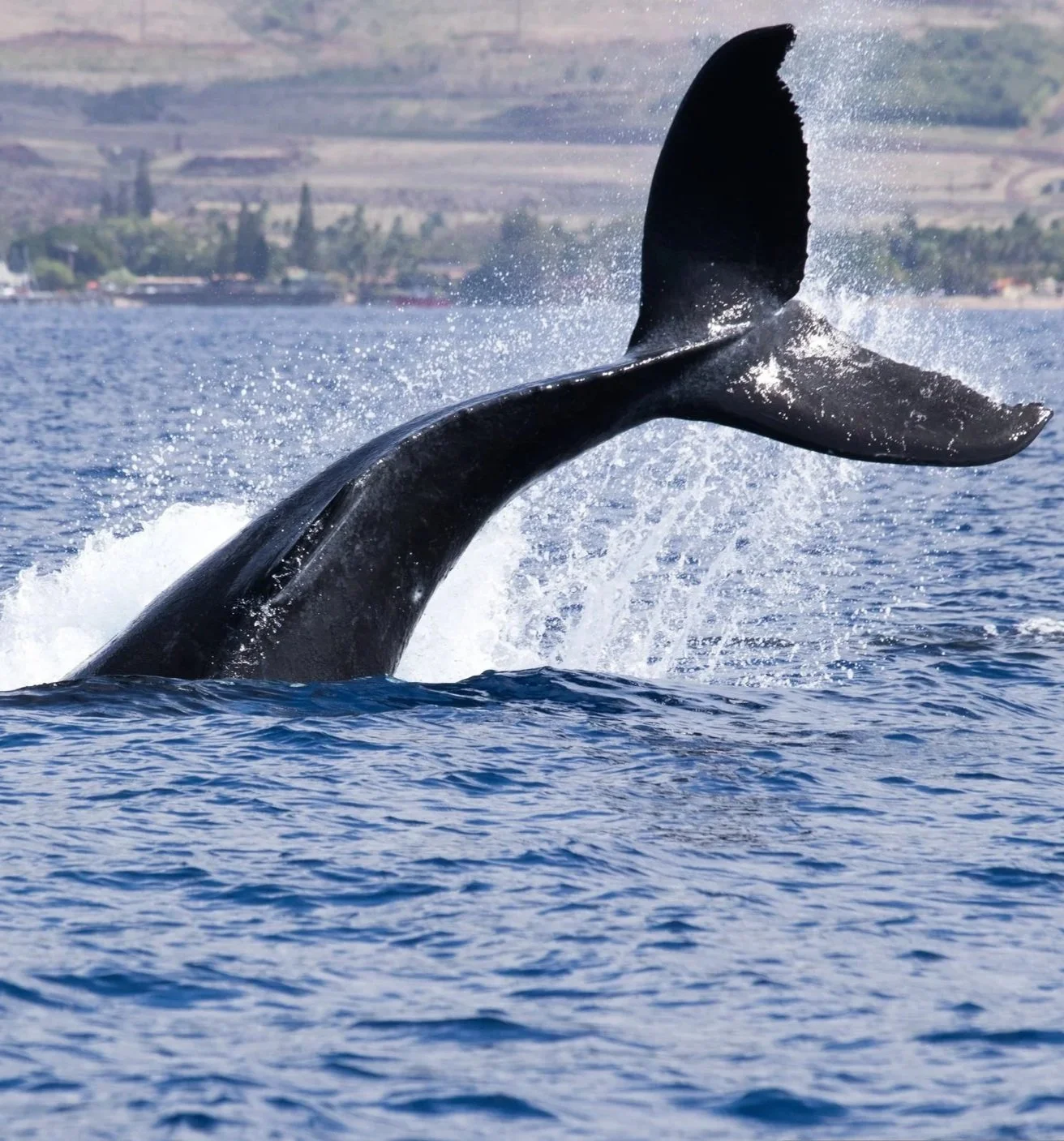
After a two-year pause, Iceland has resumed killing fin whales, one of the world's largest and most threatened species, despite mounting international condemnation and declining support at home. Within days of the season opening, at least two fin whales had already been killed, while Hvalur hf., Iceland's only whaling company, switched off the Automatic Identification Systems (AIS) on its two ships, Hvalur 8 and Hvalur 9, making their movements invisible on the sites anyone can normally use to track vessels at sea.
The ships still report their positions directly to the Icelandic Coast Guard, as required. But cutting off visibility to everyone else has raised real questions about transparency, especially as members of the Captain Paul Watson Foundation continue their campaign to monitor and document Iceland's whaling operations. Hvalur hf. hasn't explained why it disabled outside tracking, but hiding the ships from view while an endangered species is being killed has only deepened suspicion of an industry that seems less and less able to withstand scrutiny.
The hunt resumes even as opinion in Iceland is turning firmly against it. A new nationwide poll commissioned by the Iceland Nature Conservation Association found that 41 percent of Icelanders oppose fin whale hunting, compared with just 33 percent who support it. Opposition was strongest among younger generations, with only 21 percent of Icelanders ages 18 to 29 backing the practice. The results add to mounting evidence that Iceland's commercial whaling industry no longer reflects the values of the country it claims to represent.
Despite that shift, Iceland's current licenses still allow for the killing of up to 209 fin whales and 217 minke whales every year through 2029, though this season's quota has been set lower, at 150 fin whales and 168 minke whales. Fin whales are classified as Vulnerable, and those hunted commercially often endure prolonged, agonizing deaths after being struck by explosive harpoons that frequently fail to kill on impact.
Adding to the controversy, Hvalur hf.'s owner, Kristján Loftsson, is resuming the hunt even though he currently has no confirmed buyer for the meat, as demand from Japan, the industry's main export market, continues to decline. Critics, including the International Fund for Animal Welfare (IFAW), have questioned whether the timing is less about commerce than politics: Iceland holds a referendum in August on restarting EU membership talks, and the EU strictly opposes commercial whaling. Some see continuing the hunt now as an attempt to influence that vote and delay reforms to Iceland's whaling laws, with fin whales caught in the middle.
Prime Minister Kristrún Frostadóttir has spoken out against commercial whaling before, and her government still has the power to reverse the previous administration's decision and end this cruel, unnecessary industry for good.
You can make a difference for whales by adding your name below
Every signature shows that people around the world reject the needless killing of these intelligent, socially complex animals and expect governments to protect our oceans, not exploit them. Together, we can help build the pressure needed to finally end Iceland's commercial whale hunt.