
Denmark, once the world’s largest producer of mink fur, has made the historic decision to close its remaining mink farms following the European Commission’s listing of the American mink as an invasive alien species in June 2025. This new classification bans the breeding and keeping of mink across the European Union beginning in August 2027, with a full phase-out to be completed by August 2029.
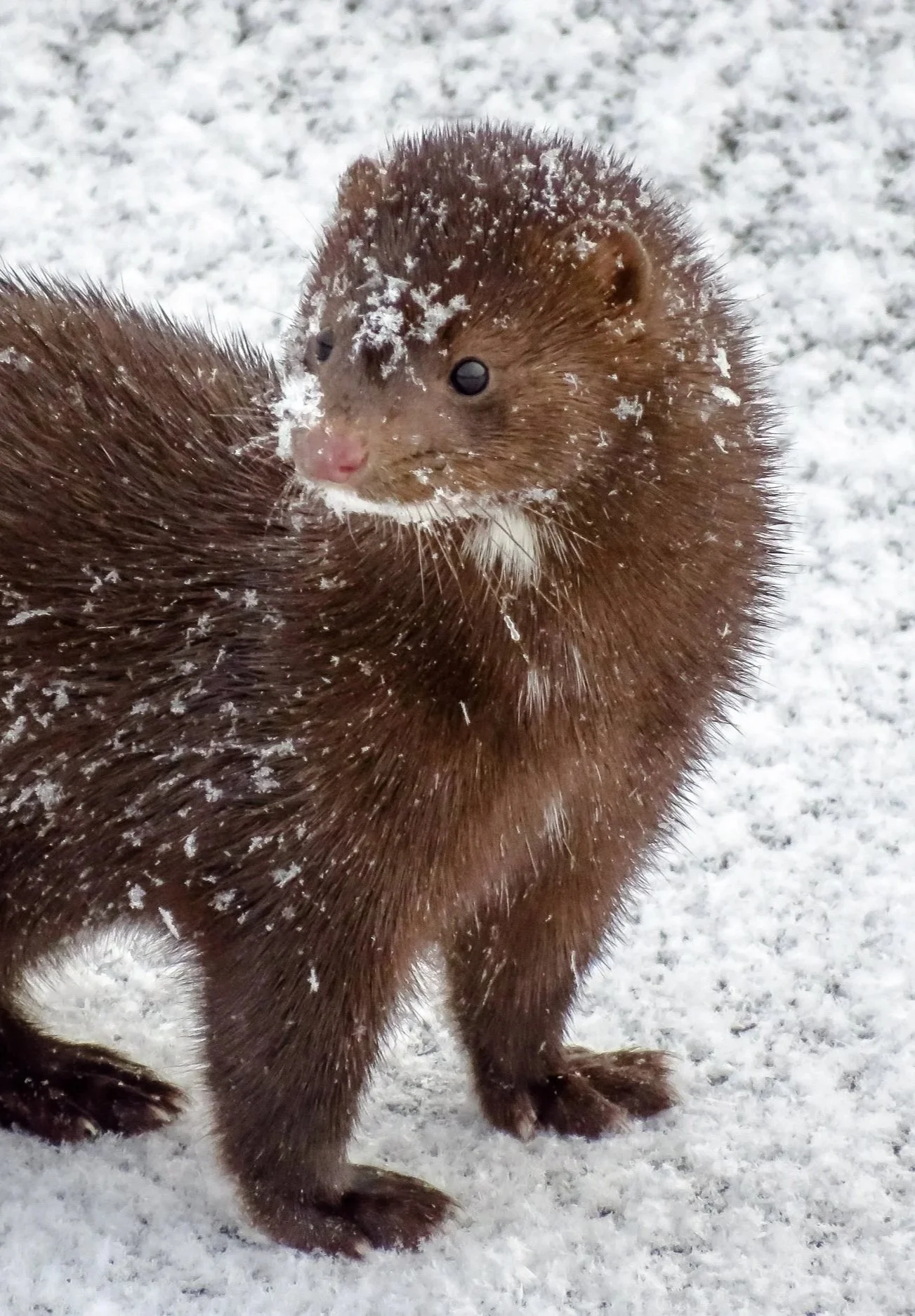
Despite these new rules, the European Commission left open a loophole allowing member states to apply for special exemptions to keep existing farms running. Denmark has now made it clear that it will not apply for an exemption and will instead follow the EU rules, creating a de facto ban on mink farming in a country that had already banned the fur farming of foxes in 2009 and raccoon dogs in 2011.
This represents a major milestone in the fight to end fur farming, an industry that is both deeply cruel to animals and has been shown to spread dangerous zoonotic diseases. As recently as 2020, Denmark had around 1,000 active mink farms holding roughly 14 million mink, until fears that the farms were spreading Covid-19 led to the mass culling of millions of animals across the country. The industry never recovered, and today just seven farms remain, holding around 16,000 breeding mink. Once these final farms close, an estimated 85,000 mink each year will no longer be born into short, miserable lives in tiny wire cages, and Denmark will leave behind an industry that has no place in a compassionate future.
Denmark’s choice was also shaped by findings from the European Food Safety Authority that meaningful welfare improvements are impossible within cage-based fur farming systems. In announcing that Denmark would not seek an exemption, Minister for Nature and Animal Welfare Christian Rabjerg Madsen put it simply: “The government has chosen animal welfare.”
This remarkable shift for a nation once at the heart of the fur trade is a testament to the tireless work of animal advocates who have helped change the public perception of fur as cruel and outdated. From high-end fashion brands to the world’s leading fashion weeks, the tide is turning away from animal pelts, and Denmark’s decision adds powerful new momentum. It may also strengthen the case for an EU-wide ban on fur farming, which more than 1.5 million citizens have called for through the Fur Free Europe initiative, especially since Denmark was one of only four member states to oppose calls for such a ban in 2023.
You can help change that by urging Congress to pass the Mink VIRUS Act, and you can make a difference on the corporate side of this issue by calling on Sephora to drop brands that profit off of real mink fur eyelashes.