
Brazil Makes History as the First Nation to Fully Ban Foie Gras
Brazil has taken an incredible step forward for animal welfare by becoming the first country in the world to fully ban both the production and sale of products obtained through the force-feeding of animals. While 20 countries have banned the production of foie gras and both India and China have prohibited imports, no nation had ever been willing to outlaw both the production and commercial sale of this cruel product nationwide until now.
The law passed unanimously in Brazil's Congress in April before being signed by President Luiz Inácio Lula da Silva on July 24. Despite significant diplomatic pressure from France and the foie gras industry to veto the measure, President Lula signed the bill into law, standing by the unanimous will of Congress and affirming Brazil's commitment to protecting animals. It is the latest in a series of historic animal welfare advances under his administration, reflecting Brazil's growing role as a global leader in animal protection.
Although the European Union published a report in 2022 concluding that foie gras production did not violate its animal welfare standards, Brazilian animal protection organizations strongly challenged those findings and spent years raising awareness about the inherent cruelty of the industry and the ways it fundamentally conflicts with Brazil's own animal welfare laws.
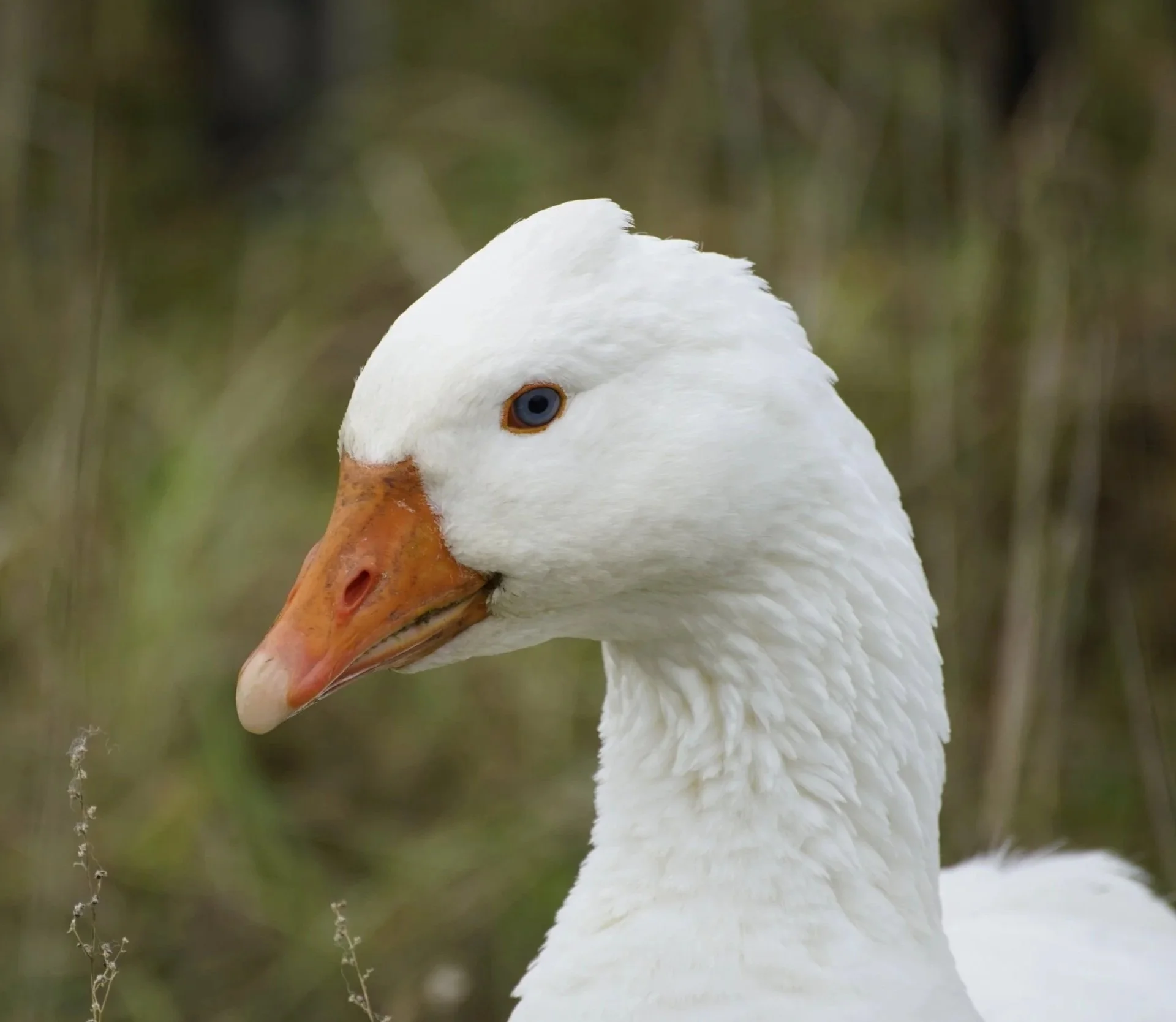
Foie gras is produced by repeatedly forcing long metal tubes down the throats of ducks and geese to pump them full of food far beyond what they would naturally consume. The process, known as gavage, causes the birds' livers to swell to six to ten times their normal size, intentionally inducing a debilitating condition known as fatty liver disease before they are slaughtered. Numerous veterinary experts and animal protection organizations have concluded that there is no humane way to produce foie gras.
This victory is a testament to the tireless work of Brazilian animal advocates and lawmakers who were willing to follow the evidence rather than political pressure. By unanimously rejecting one of the world's most entrenched forms of animal cruelty, Brazil has sent a powerful message that there is no longer any excuse for allowing this form of animal torture to continue in the name of an archaic culinary tradition.
Unfortunately, while Brazil is making historic progress for animals, the United States continues to fall behind. While Brazilian lawmakers concluded that foie gras production violates their animal welfare standards, foie gras should already be illegal in the United States under existing law. The Poultry Products Inspection Act requires diseased poultry to be condemned and kept out of the food supply. Independent laboratory testing has repeatedly confirmed that foie gras comes from birds suffering from severe fatty liver disease, yet the USDA continues to allow its sale.
You can speak out against this cruel industry by signing our petition calling on the USDA to respect the Poultry Products Inspection Act by banning foie gras in the United States. Brazil has shown the world that even the most entrenched forms of animal cruelty can be challenged and defeated, and we hope this historic victory inspires the United States to finally follow its example and bring an end to foie gras production for good.