
In September 2026, we shared the news that no criminal charges would be filed in the deaths of dozens of sloths at Sloth World Orlando, a tragic miscarriage of justice for the 58 individuals who were stolen from the wild and lost their lives in connection with a Central Florida animal entertainment facility.
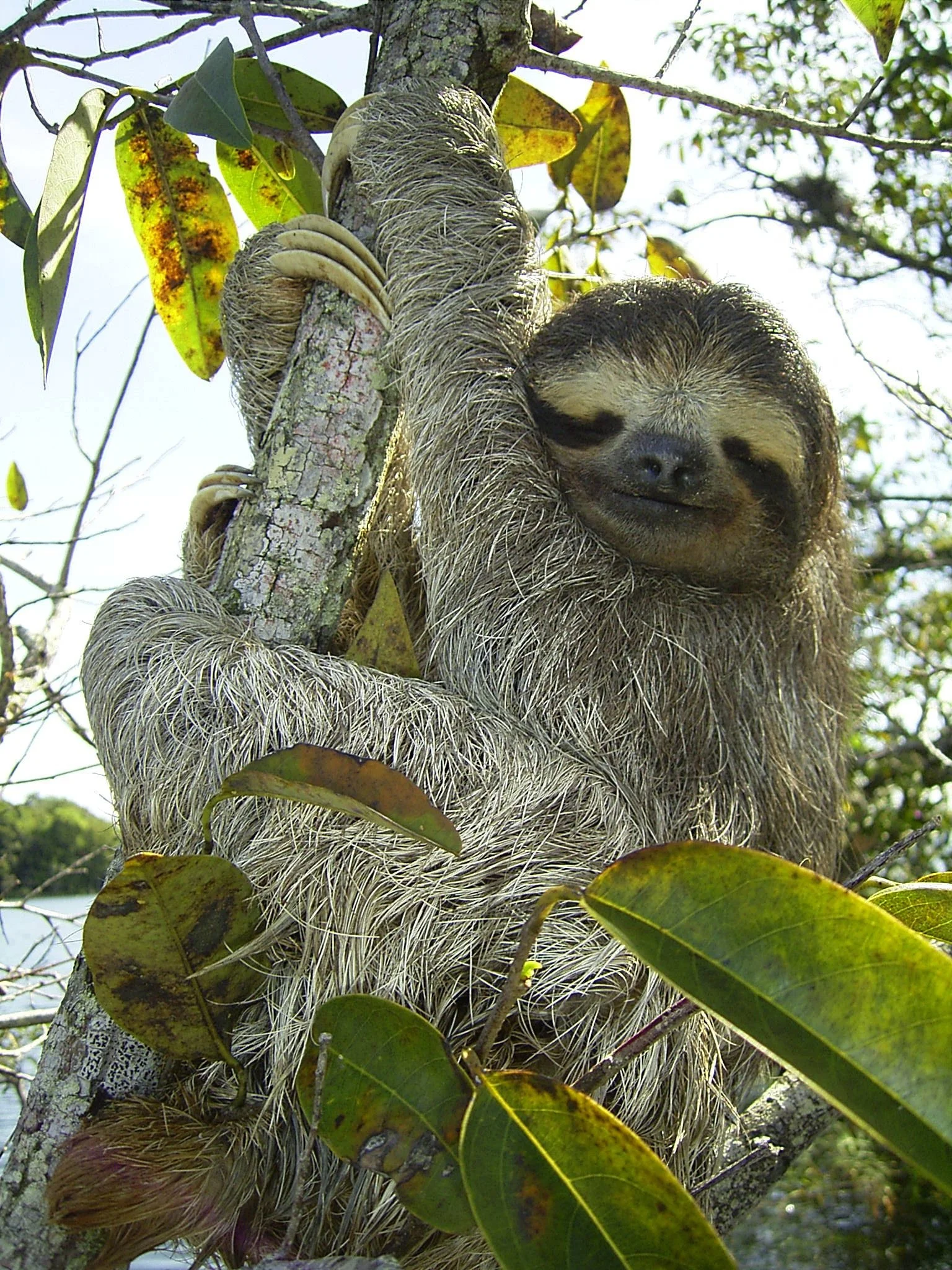
Sloth World, which marketed itself as the “world’s first Slotharium,” imported approximately 69 wild-caught sloths from Peru and Guyana to be used for public display and entertainment in the United States. Before the attraction could even open, dozens of these innocent animals were already dead. State records documented the deaths of 31 sloths between December 2024 and February 2025 alone, including animals housed in a facility without running water or electricity, and none of these deaths were disclosed until state wildlife officials made an unannounced inspection months later. Despite the heavy losses, the operation continued with further imports, and by April of this year, 11 more sloths had died. The final 13 surviving sloths were rescued and transferred to the Central Florida Zoo & Botanical Gardens, where five more later died.
Even with dozens of sloths dead, the Orange County Sheriff’s Office concluded its investigation without bringing any criminal charges. Experts consulted in the investigation found that the sloths were likely already sick before they arrived, with their health problems beginning as soon as they were captured from the wild and held in facilities prior to export, and that the stress of transportation, poor housing conditions, and overcrowding likely played a significant role in their deaths. Under Florida law as it exists today, no one has been held accountable.
Thankfully, two members of Congress from Florida have taken steps to ensure this case does not end there. Democratic Representative Maxwell Alejandro Frost and Republican Representative Laurel Lee have introduced the Stopping Legalized Organized Trafficking and Harm to Sloths Act, or the SLOTHS Act (H.R. 10867), which would ban the import of sloths into the United States, with limited exceptions for scientific research involving deceased sloths and for transferring eligible captive sloths to accredited zoos for conservation breeding programs. The bill would carry civil penalties of up to $20,000 and criminal fines of up to $100,000 for those who knowingly violate the ban.
The two Florida representatives announced the legislation on International Sloth Day, October 20th. On introducing the bill, Representative Lee noted that “More than 50 sloths died in Orlando, yet investigators found no violation of existing laws. That outcome should make all of us take a hard look at whether our laws are doing enough to protect these animals,” while Representative Frost added, “We owe it to these animals, and to the people in our community who spoke up, to make sure a tragedy like this never happens again.” According to Dr. Rebecca Cliffe, founder of the Sloth Conservation Foundation, up to 90% of sloths taken from the wild die during capture and transport, a grim statistic that highlights the importance of this new legislation.
In light of this new bill, Species Unite has updated the target of our original petition. Rather than calling on the U.S. Fish and Wildlife Service to shut down the wild-caught sloth trade, we are now focused on building support for legislative change in Congress. We have submitted more than 4,000 signatures from the first version of our petition to the U.S. Fish and Wildlife Service, and we have now updated our petition to a direct letter campaign to members of Congress in support of the SLOTHS Act. If you already signed our original petition and are based in the United States, you can now use the form to reach out directly to your member of Congress and ask them to cosponsor this important legislation.