
Roadside zoo in east Texas may still be operating despite suspension, allege campaigners
An animal rights group is demanding a full investigation into Canton Grand Safari, which had its license suspended earlier this year for multiple animal welfare violations, including keeping lemurs in rat-infested enclosures.
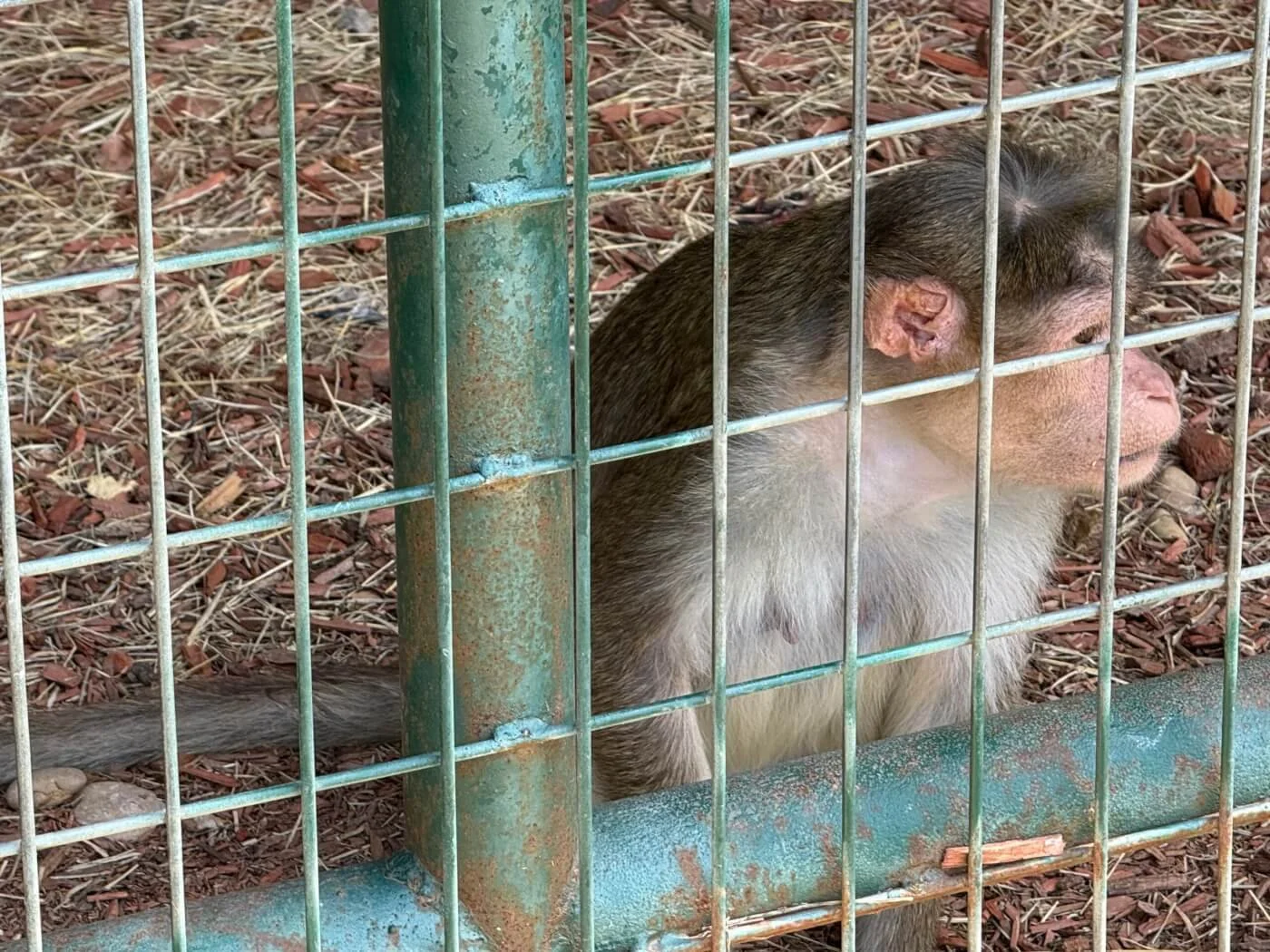
Credit: PETA
Animal rights groups are calling for a roadside zoo in East Texas to be shut down permanently, following reports that it is still operating despite having its license suspended.
Canton Grand Safari, in Grand Saline, had its license suspended on January 2 by the United States Department of Agriculture (USDA) after inspectors found several violations of the Animal Welfare Act (AWA) had been committed between August and December of last year.
The suspension was to last for 21 days. However, PETA has now uncovered evidence that the zoo may still have been displaying animals during this time. On January 22, PETA filed a new complaint with the USDA, demanding a full investigation into the zoo.
An online petition, calling for the USDA to permanently revoke the Canton Grand Safari’s license, has also been set up.
“When a facility continues harmful behavior even after a license suspension, it sends a clear message that temporary penalties are not enough,” reads the petition. “Allowing Canton Grand Safari to continue operating only prolongs animal suffering and increases the risk of serious injury to both animals and the public.”
PETA has been a vocal critic of Canton Grand Safari since videos circulated online showing the zoo allowed direct, unsupervised interactions between visitors and monkeys.
This endangers both humans and animals, with the risk of injury as well as the spread of disease. A ‘true’ animal sanctuary, said PETA, never allows hands-on interactions with animals, and indeed, public contact with big cats was outlawed in the USA in 2022.
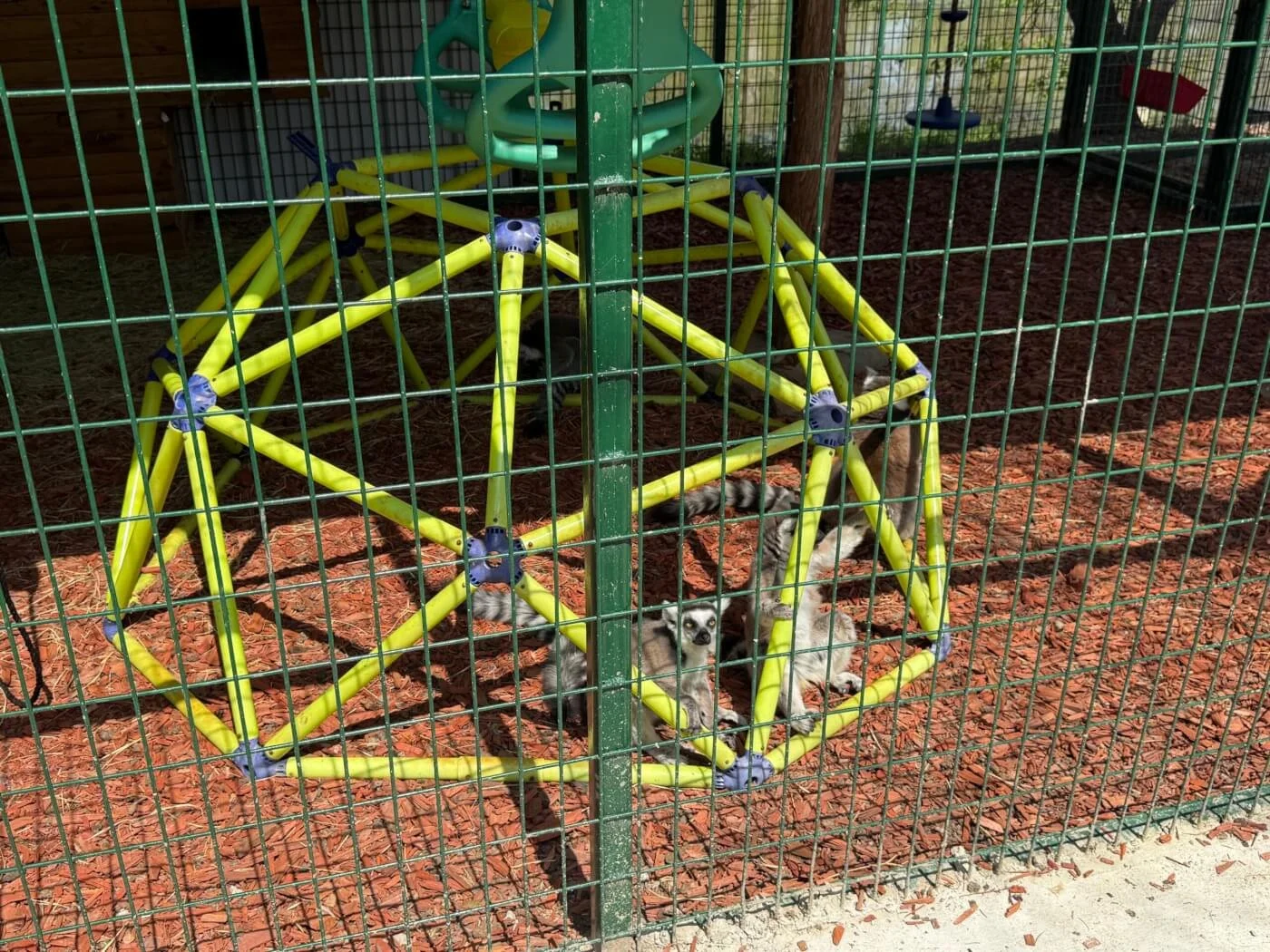
Credit: PETA
A routine inspection of Canton Grand Safari in September of last year found that animals were exposed to numerous hazards and potential injuries, with others kept in rat-infested enclosures.
According to the USDA’s report, a baboon was observed chewing on a hair tie inside its enclosure; a capuchin was observed reaching outside his primary enclosure flipping open the covers for an electrical outlet; and in a large outdoor enclosure there were several railroad ties that had metal rods with sharp points exposed to the deer, blackbuck, goats, sheep, and zebra housed within. Inspectors also observed ‘many’ rats living among the zoo’s ring-tailed lemurs.
Furthermore, the report found that two baboons had recently been bought from an individual who did not have a USDA license. This is illegal as well as unethical, since animals sold by unlicensed individuals may suffer from poor welfare due to lack of compliance with AWA regulations.
The report documented a total of 151 animals living at the zoo, which includes sixteen sheep, five different species of macaques, and a red kangaroo.
“Roadside zoos are a living hell for the animals trapped inside them,” said Sara Oliver, of PETA. “Many of these shoddy facilities use misleading terms like ‘sanctuary’ or 'rescue' in their names to appear legitimate, but what they actually do is breed, buy, sell, and exhibit animals for profit.”
We Have A Favor To Ask…
Species Unite amplifies well-researched solutions to some of the most abusive animal industries operating today.
At this crucial moment, with worldwide momentum for change building, it’s vital we share these animal-free solutions with the world - and we need your help.
We’re a nonprofit, and so to keep sharing these solutions, we’re relying on you - with your support, we can continue our essential work in growing a powerful community of animal advocates this year.


A new study has implanted human brain tissue into bioengineered mice, leading to debate over animal welfare.