
At the close of 2025, Belgium achieved a major victory for wildlife when their Constitutional Court upheld a ban on the importation of certain types of hunting trophies in order to protect rhinos, elephants, lions, and other species. The legislation, passed unanimously by Belgium's Parliament and upheld by their Constitutional Court in December 2025, went even further than the parliamentary resolution that first called for the ban, extending protections to a broader range of species than originally proposed.
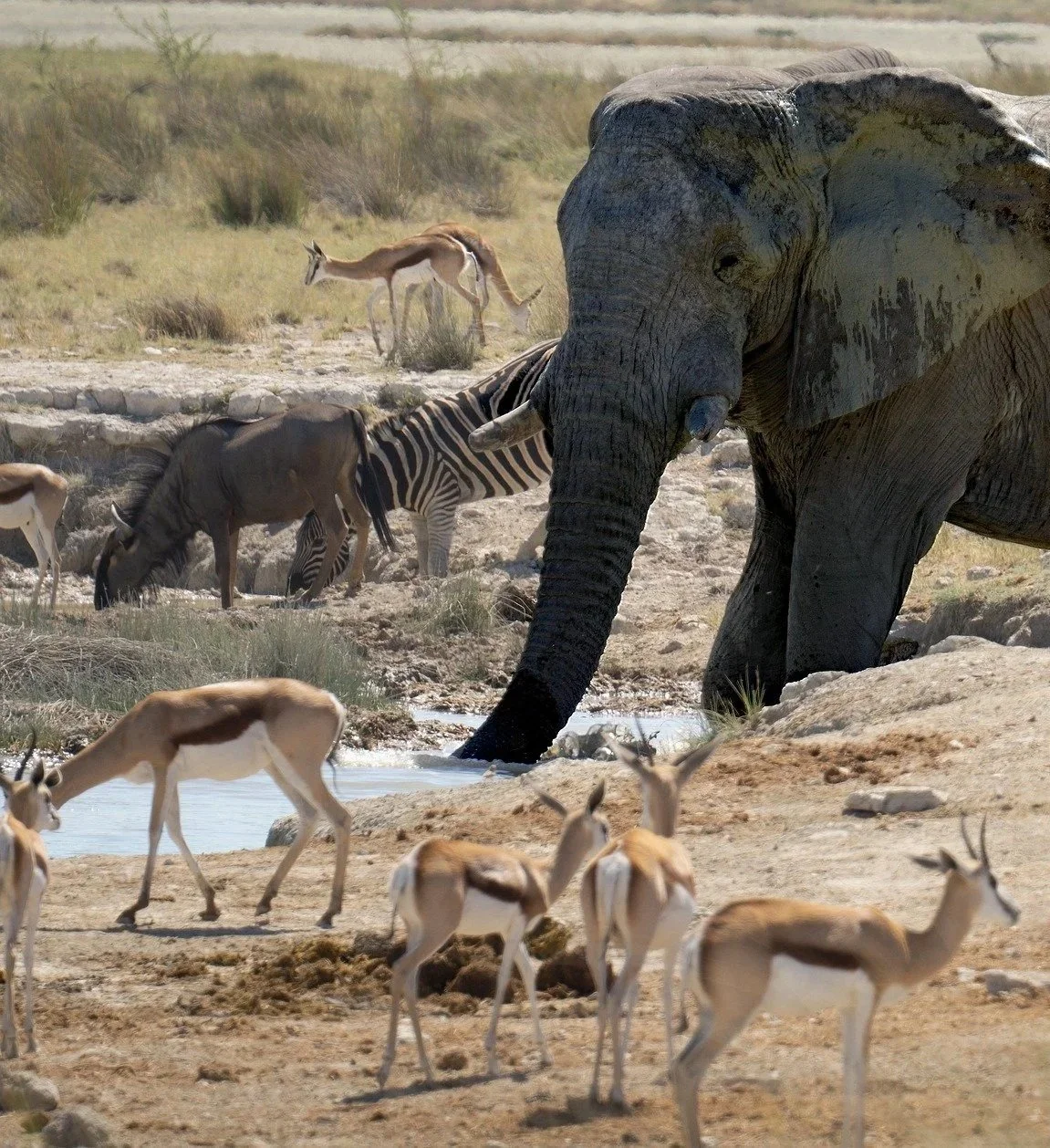
The law reflects growing opposition in the small European nation to trophy hunting, where polling has found as many as 91% of Belgians oppose the practice and 88% are in favor of a full ban on the importation of hunting trophies. The new protections cover all species listed under Annex A of European Regulation 338/97, a category that includes jaguars, cheetahs, leopards, certain brown bears, Cape mountain zebras, chimpanzees, and African elephants. A selection of Annex B species are also included, among them African lions, Southern white rhinos, hippos, and argali sheep. The new regulations are in sharp contrast to laws before the ban, when species like cheetahs, polar bears, hippos, and others vulnerable to extinction could be brought in by trophy hunters.
Belgium's change comes at a crucial time, as animals across the world face increasing risk from stressors including trophy hunting, and South Africa — home to some of the world's most iconic and biodiverse wildlife populations — has just published disturbing draft export quotas that would permit international trade and trophy hunting of leopards, elephants, and black rhinos. Although the limits are still under review and can be opposed through public comment, if they proceed as currently planned South Africa will allow up to 300 elephant tusks from 150 individual elephants to be shipped out of the country, along with the body parts of 12 black rhinos and 11 leopards.
The choice by some nations to allow this kind of recreational slaughter of their resident animals, when it has repeatedly been proven that non-lethal wildlife tourism and conservation provide far greater economic benefits and tourism revenue for South Africa, shows why other nations must also do their part to stop this gruesome international trade by banning the import of violent trophies. While European nations like Belgium continue to make progress, the United States lags behind.
It is time the United States passed the ProTECT Act, which would ban the importation of endangered and threatened species trophies into the United States. If you have not already, you can help make sure this issue gains the momentum needed to move forward by signing and sharing our petition in support of this important bill. The US should look to Belgium as an example and do the right thing for wildlife by making sure this bill becomes law.