
Victory! Etsy Goes Fur-Free
When this community speaks, progress is possible. More than 5,000 Species Unite members joined animal advocates around the world in demanding that Etsy remove fur from its marketplace, and last week, Etsy announced it will do exactly that. This is a huge win, and it would not have happened without you.
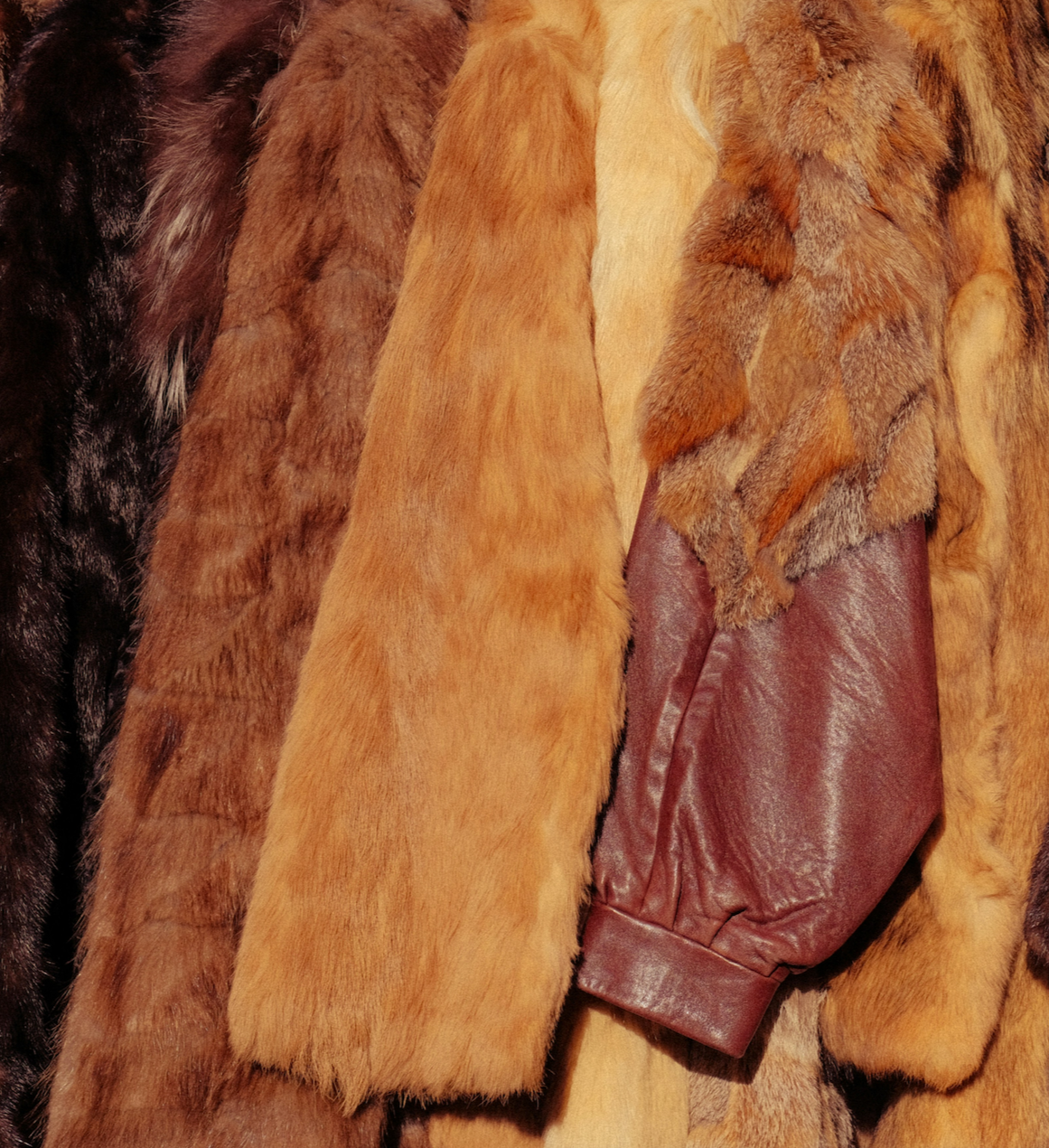
The change, announced last week, expands Etsy's existing Animal Products Policy, which previously only banned fur from threatened or endangered species, to prohibit the sale of all animal fur beginning August 11, 2026. This includes both new and vintage items, such as raw pelts, finished garments, and accessories made from animals like mink, fox, and rabbit. While the new policy does not yet extend to materials like wool, leather, or sheepskin, and taxidermy will still be permitted, this remains a significant and meaningful step forward for the animals who suffer most in the fur trade.
This is a major step forward. Both animals held on fur farms and animals caught in the wild suffer tremendously for this industry. On fur farms, animals are confined to small wire cages where they cannot run, swim, or engage in natural behaviors, often leading to extreme stress and injury. In the wild, animals can be trapped for hours or even days in painful devices, sometimes dying from their injuries, exposure, or predation. All of this suffering is inflicted in the name of an outdated and unnecessary industry.
Etsy has long positioned itself as a platform for thoughtful, sustainable commerce, and this decision brings its policies more in line with those values. It also reflects growing global momentum to move away from the cruelty of the fur trade.
Thank you to everyone who signed, shared, and spoke out. Your voices made a real impact. Because of you, this movement continues to build real progress for animals. We will be closing this petition and sending the final list of signatures to Etsy along with our appreciation for this compassionate decision.
What You Fought Against
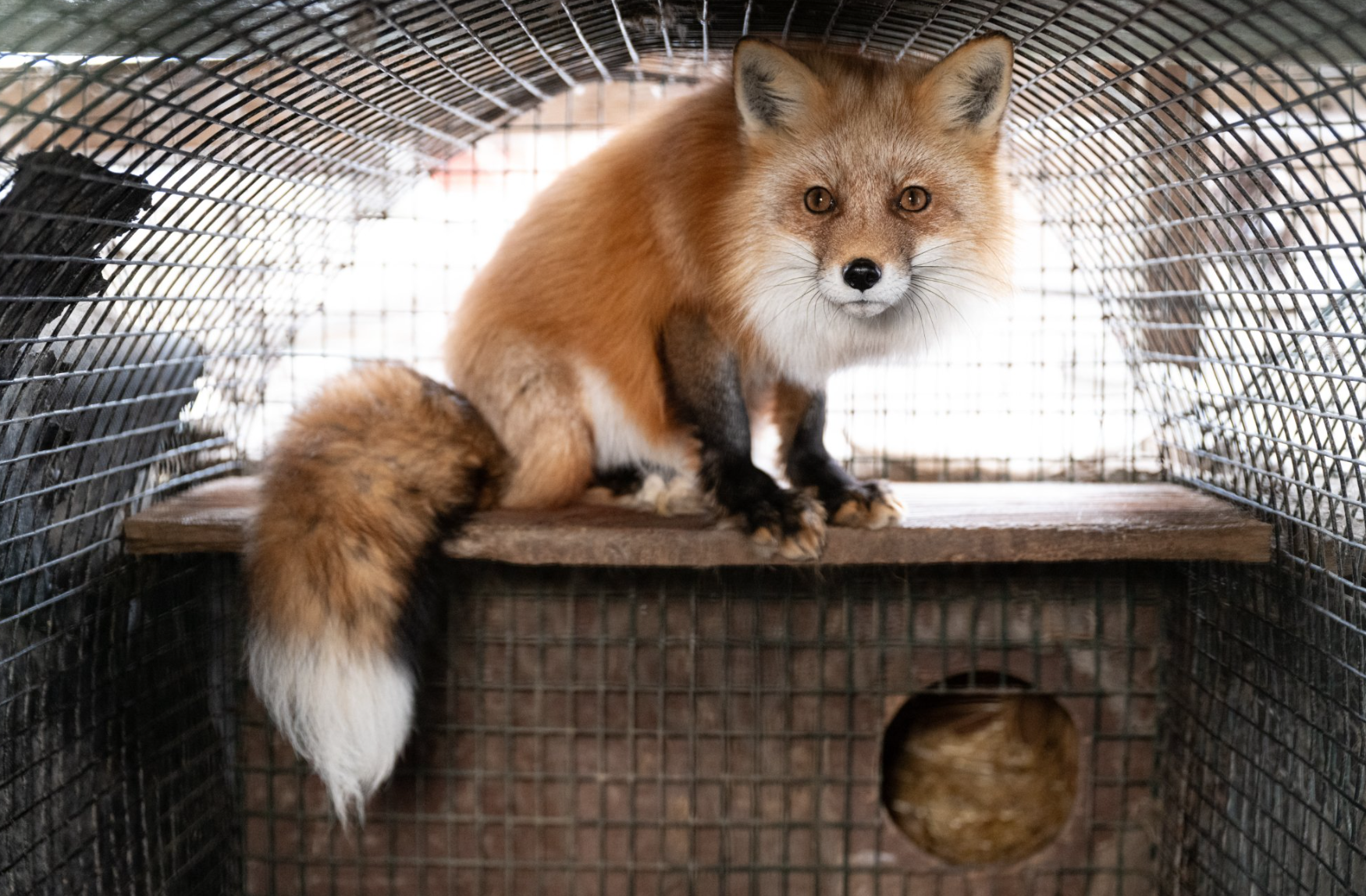
Photo: HSUS
Etsy is a global online marketplace that specializes in vintage, handmade, and artisanal products from independent entrepreneurs who can connect to the platform's vast network of more than 93 million shoppers. The site has a hip, charming, and personal vibe that hid the fact that, beyond supporting small businesses, Etsy was profiting from immense animal suffering.
By selling the wares of animal trappers and furriers, Etsy was helping keep a declining industry built on pain and animal cruelty afloat.
Rabbits, foxes, mink, coyotes, beavers, lynx, and more were all killed so that individuals could buy and sell their pelts on Etsy.
Animals held on fur farms are subjected to miserable and often torturous lives before they are eventually killed through violent means, including electrocution, gassing, or bludgeoning. Species such as mink and foxes, who are naturally active and wide-ranging in the wild, are typically confined to small wire cages where they cannot run, swim, dig, or engage in other natural behaviors. The extreme confinement and stress can lead to severe psychological distress, including well documented self-mutilation. Fur farms have also been shown to be fertile breeding grounds for infectious diseases, including zoonotic pathogens that can pass to humans.
Undercover investigations, even on farms that claimed to maintain high welfare standards in Europe, have documented animals with festering sores, open wounds, missing limbs, and untreated infections. In some particularly grim cases, investigators have found the bodies of dead animals left in cages alongside living mink.
Animals trapped in the wild for their fur do not escape the suffering of this industry either. Fur-bearing animals are commonly caught in body-gripping traps and snares that cause extreme pain. These devices can break bones, tear ligaments, and cause deep wounds as animals struggle to escape. Trapped animals may endure hours or even days of agony before traps are checked. During that time, some animals die slowly from dehydration and exposure, while others succumb to internal injuries. Still others are killed by predators while immobilized and unable to defend themselves.
These animals do not deserve to die for the vanity of the fashion industry, and a brand like Etsy, one that prided itself on being a hub of human-centered, handcrafted, artisanal products, should not have supported the kind of violence, suffering, and disease risk that are so intricately tied to the fur trade.
Etsy claimed to value sustainability, but despite what many believe, fur is far from environmentally friendly. Fur production is highly energy-intensive, has a significant carbon footprint, requires toxic chemicals for processing and preservation, and fur farming generates large amounts of waste and pollution.
Etsy already had policies in place to prevent the sale of materials derived from endangered species, such as ivory, and it prohibited the sale of pelts from cats and dogs. The company has now finally taken its concern a step further and done the right thing by banning fur.