
Victory! CITES Grants Landmark Protections for Sharks
Thanks to the hard work of wildlife advocates around the world, including thousands of members of the Species Unite community who have been sounding the alarm about the devastating declines in global shark populations, these ancient animals have just secured unprecedented protections from international trade. For the first time in history, certain shark species have been uplisted to Appendix I.
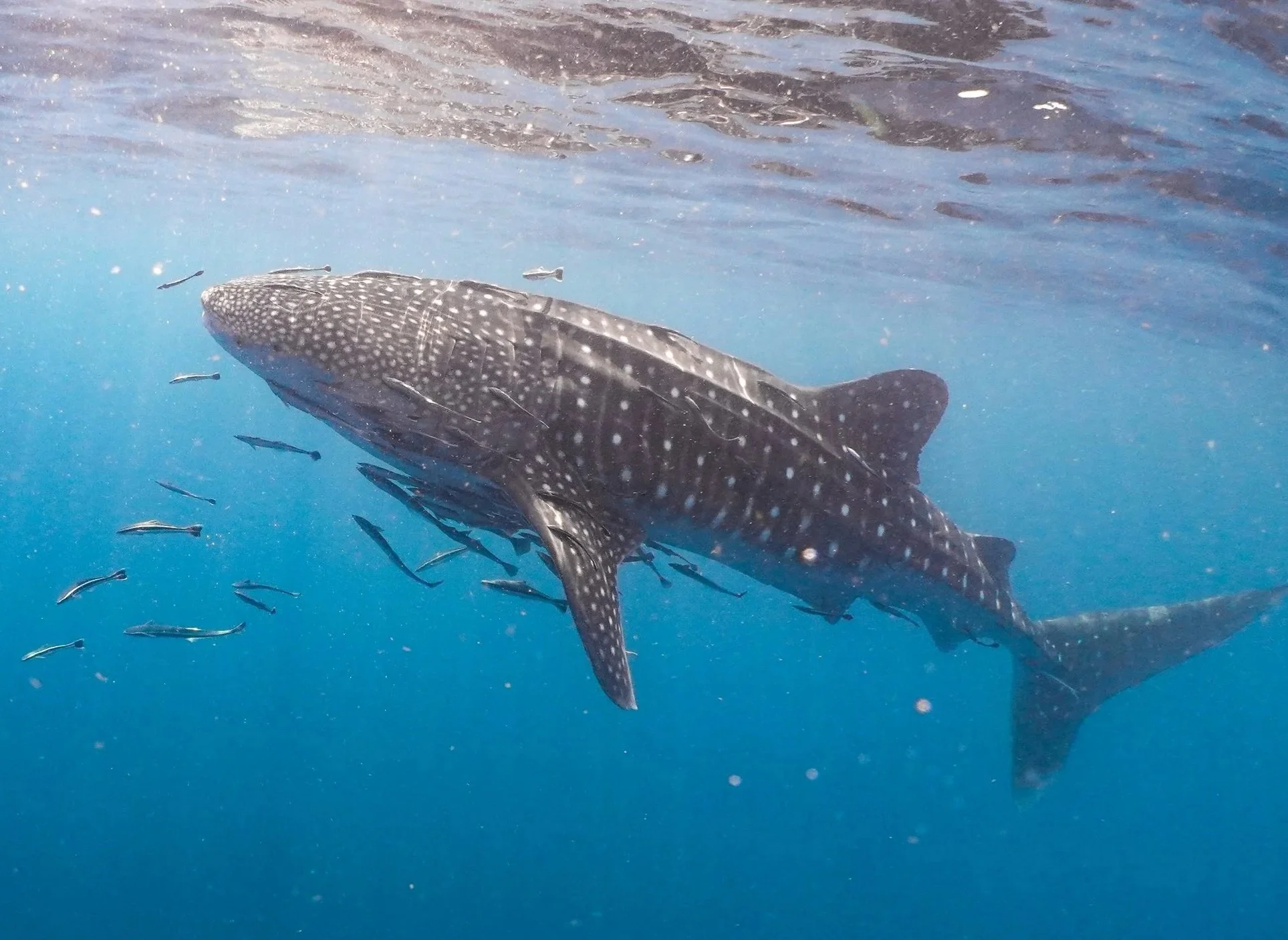
Last week at the Convention on International Trade in Endangered Species of Wild Fauna and Flora (CITES) 20th Conference of the Parties in Samarkand, Uzbekistan, over 100 governments voted to grant sweeping international protections to declining shark and ray populations. This is a landmark victory for ocean wildlife and a significant step forward toward helping end the horrific and environmentally devastating shark fin trade.
More than 70 shark and ray species received increased protections or were listed for the first time. Tope and smooth-hound sharks, species commonly used in fish and chips, and deepwater gulper sharks, heavily exploited for liver oil used in cosmetics, were listed under Appendix II, meaning their trade is only allowed if proven sustainable, while several guitarfish and wedgefish species, many already critically endangered, received zero-export quotas, effectively banning their trade. Most significantly, critically endangered oceanic whitetip sharks, endangered whale sharks, critically endangered gulper sharks, and all manta and devil rays were uplisted to Appendix I, the highest level of protection under CITES, which prohibits their international trade except under exceptional circumstances.
This is a major milestone in marine conservation not only because sharks are intelligent, emotionally complex, and socially sophisticated animals who have roamed the oceans for hundreds of millions of years, but also because of the essential ecological role they play. As apex predators, sharks are essential to maintaining balance in marine ecosystems. When they disappear, the ripple effects can harm coral reefs, fish populations, and the health of entire oceans.
The CITES decision echoes the landmark move to list African elephants under Appendix I, a step that helped curb poaching and allowed their populations to begin recovering. Now sharks have a genuine chance to follow that path. These new protections mark the most significant progress yet toward ending the gruesome shark fin trade, which kills tens of millions of sharks each year and destabilizes ocean ecosystems.
This victory is the result of years of work by scientists, advocates, and nations around the world who have recognized the urgent need to protect these extraordinary animals. Species Unite is deeply heartened that our calls for CITES to take bold action did not go unanswered, and we are profoundly grateful to the nearly 7,000 members of this community who joined this effort, including in our final push in the days leading up to CITES CoP20. This victory belongs to all of us. It is a win for sharks, for ocean lovers, and for every species that depends on healthy, balanced marine ecosystems.
What You Fought Against
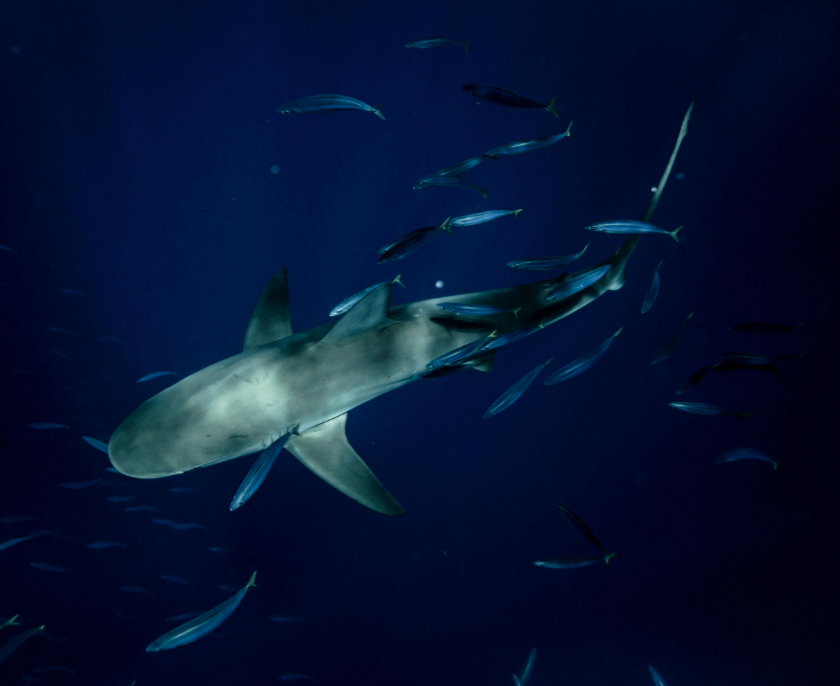
Photo: Hannah Gabrielson
Sharks. For many, these ancient and majestic creatures evoke fear and repulsion, leading to a significant lack of empathy on their behalf, even among some of the most ardent animal lovers. However, sharks are deeply misunderstood animals that play a crucial role in maintaining healthy marine ecosystems and are highly intelligent, emotionally complex, social, and sentient. They deserve not only our respect but also protection from the horrors of the shark fin trade, which is driving many species of these critical predators, who have freely roamed our oceans for hundreds of millions of years, predating both trees and dinosaurs, to the brink of extinction.
Shark finning is one of the cruelest practices in the animal trade and involves cutting the fins off of live sharks, which are then thrown back into the ocean to die slow, agonizing deaths. Sharks cannot swim once their fins are viciously cut from their bodies, meaning the sharks who fall victim to this industry may die of suffocation, starvation, bleed to death, or be eaten alive by other animals while they are helpless and immobile.
Sharks have often been portrayed as vicious, solitary creatures villainized in popular culture. In reality, research has shown that this is a misleading depiction. Sharks have distinct personalities, with some being bold and curious while others are shy and cautious. Studies on shark socialization have revealed that sharks can form long-lasting friendships, spending days with preferred companions. They are capable of social interactions once considered only possible in higher-order mammals like chimpanzees, and some sharks even recognize and form attachments to human divers. Like any animal, sharks deserve compassion and to live in peace without being violently mutilated and thrown back to die a slow, torturous death.
Every year, around 73 million sharks are killed due to the international shark fin trade. This massive loss of life has led to a 71% decline in shark and ray populations over the last 50 years, which, beyond the cruelty of the industry, has far-reaching negative consequences for marine ecosystems. When shark populations rapidly decline, it can trigger an effect called a “trophic cascade,” meaning shark prey populations also increase at unsustainable rates. The smaller predatory fish that sharks typically feed on may then overconsume algae-eating fish, disrupting the balance of the ecosystem. This leads to algae blooms that can kill coral reefs. In addition, an overabundance of smaller fish and sea turtles, which would normally be kept in check by sharks, eat seagrasses. Seagrasses are crucial for storing carbon, and their overconsumption can contribute to more rapid global warming.
The shark fin trade is primarily fueled by the demand for shark fin soup, considered a delicacy in China and other parts of East Asia. Despite shark fins being made of cartilage and therefore tasteless, a bowl of shark fin soup can cost over $100 in China due to the mistaken belief that the fins have special medicinal benefits. Shark fins are also used in traditional Asian medicine without evidence of real healing effects, even though shark meat has been found to be highly contaminated with methylmercury, which can be dangerous to human health.
Although East Asian countries, particularly China, Hong Kong, Taiwan, Japan, and Thailand, are the largest importers of shark fins, the shark fin trade involves nations across the globe. Countries around the world are complicit through shark fishing and the export of fins to markets where the demand remains high. In recent years, many nations have taken individual steps to curb the trade. For instance, the United States, once the fourth-largest exporter of shark products, passed the Shark Fin Sales Elimination Act in 2022, effectively banning the trade. While this is a positive move, such actions alone are insufficient as the demand for shark fins remains high in countries where the trade is still legal, making enforcement difficult in countries where it is banned.
Mexico, for example, has its own ban on shark fin exports, yet it continues to be a major exporter. Similarly, Spain and Portugal, as members of the European Union, are subject to EU regulations aimed at limiting shark fin exports, but unfortunately, both countries remain significant players in the trade.
It is clear that nothing short of a global ban will be sufficient to end this horrific, cruel, and environmentally disastrous trade. One international body that could make a real difference is CITES, the Convention on International Trade in Endangered Species of Wild Fauna and Flora. CITES has the power to designate certain species under Appendix I, which means the species is considered threatened with extinction and is therefore prohibited from international trade unless under exceptional circumstances. This classification provides the highest level of protection to species at risk of extinction. CITES used this power to list African elephant under Appendix I, which led to a ban on the international trade of ivory, helped curb poaching and allowed elephant populations to recover. Sharks, however, do not receive the same protection, despite the fact that many species are threatened or endangered and tens of millions are being slaughtered each year for their fins.
While some shark species are listed under CITES Appendix II, allowing regulated trade, this system is often exploited, continuing overfishing and illegal finning. To truly protect sharks, CITES should uplist threatened shark species to Appendix I, effectively banning the international shark fin trade as it did for ivory. Without decisive action, shark populations will continue to decline, disrupting marine ecosystems and endangering biodiversity.