
Two More States Take Action Against Cruel Traveling Animal Acts
This month brought major progress in the fight to end the suffering of wild animals used in traveling circus acts as two more states passed legislation restricting this cruel form of entertainment.
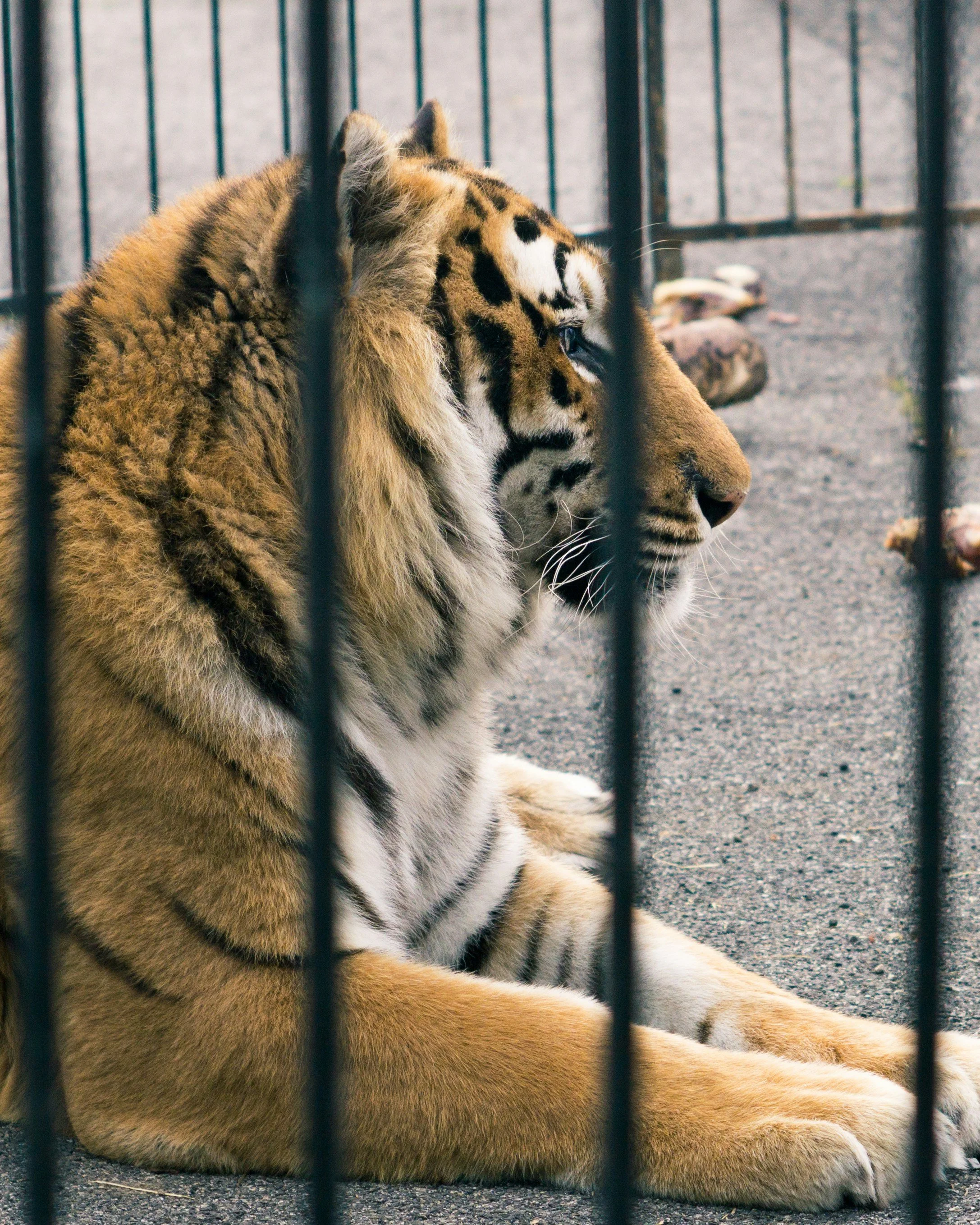
In early May, New York passed S.3629-A/A.5850, a bill that would prohibit the use of big cats, non-human primates, bears, and other wild animals in traveling performances throughout the state. The legislation passed with broad bipartisan support as part of a larger animal welfare package and now awaits Governor Kathy Hochul’s signature. The bill builds on New York’s continued progress on protecting wild animals following earlier restrictions, including a 2014 law banning public contact with big cats and the 2017 Elephant Protection Act, which prohibited the use of elephants in entertainment acts statewide.
Just weeks later, Illinois followed with the passage of HB 4255, another major victory for animals exploited in circuses and traveling shows. Illinois already made history in 2017 as the first state in the nation to ban the use of elephants in traveling acts, but that law left loopholes that still allowed many other wild animals to continue being used in performances. The newly passed legislation expands protections to include lions, tigers, leopards, cougars, jaguars, bears, nonhuman primates, and all elephant species, as well as hybrid animals of those species. Sponsored by Representative Kelly Cassidy (D-14) and Senator Linda Holmes (D-42), the bill passed both chambers with bipartisan support and now heads to Governor JB Pritzker’s desk. Once signed, the law will take effect on July 1.
These victories are an important sign of growing public awareness around the cruelty involved in traveling animal acts. Wild animals used in circuses and roadside performances endure constant confinement, stressful transport, violent training methods, and severe psychological distress, all so they can be forced to perform unnatural tricks for entertainment. Many exhibitors that continue to tour with animals have also faced repeated allegations and citations involving inadequate veterinary care, unsafe handling practices, neglect, and dangerous public safety incidents.
While progress at the state level is worth celebrating, animals still urgently need federal protections. The late Representative Raúl M. Grijalva was a passionate advocate for animals and championed the Traveling Exotic Animal and Public Safety Protection Act (TEAPSPA), bipartisan legislation that would finally prohibit the use of wild and exotic animals in traveling acts nationwide. The momentum now building in states like New York and Illinois demonstrates that the public is ready for change and that Congress must act to carry this work forward.
Please join Species Unite in continuing to call on Congress to reintroduce and pass TEAPSPA in honor of Representative Grijalva’s legacy and in the name of all the animals who are still suffering while they wait for meaningful federal protection. The time for a nationwide ban on traveling wild animal acts is now.