
New reporting reveals trainers linked to criminal horse doping made millions from taxpayer-funded racing despite FBI evidence
New investigative reporting has revealed that the New York State Gaming Commission ignored FBI evidence of widespread criminal activity in the horse racing industry for years, allowing trainers linked to an illegal horse doping ring to continue racing, profiting, and receiving taxpayer support without consequence.
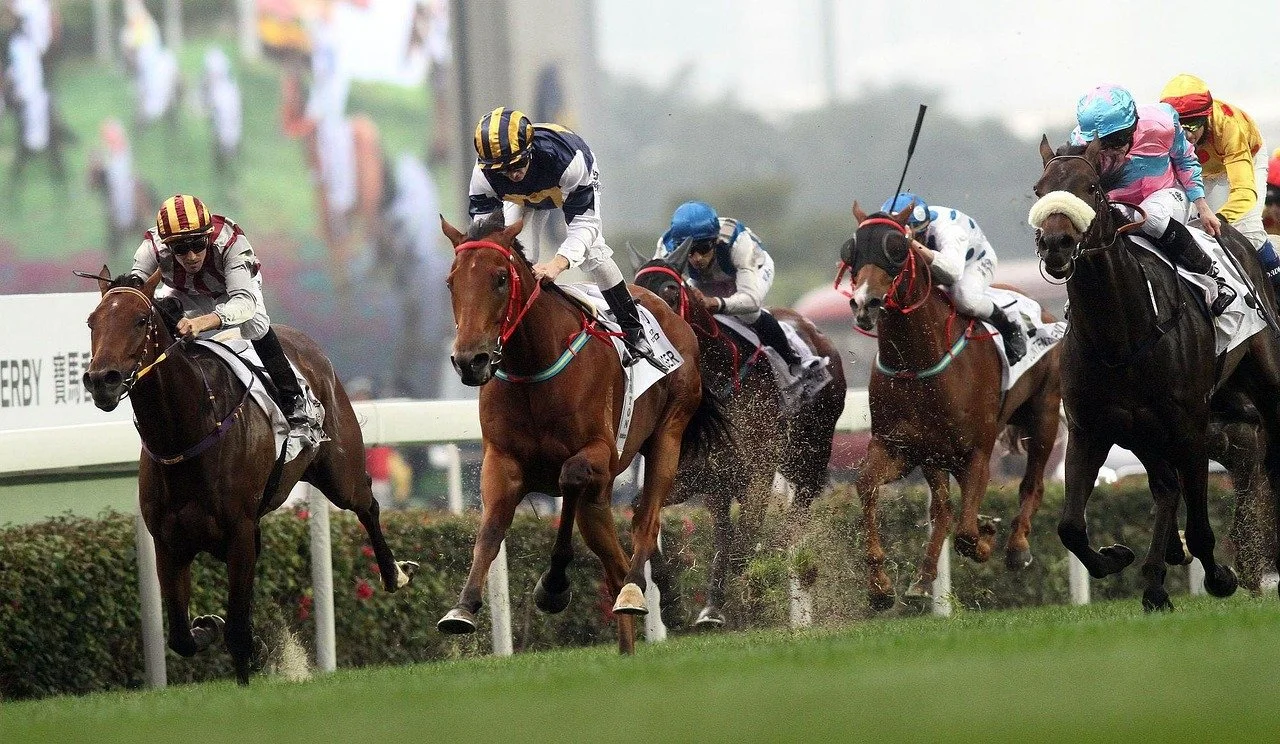
The reporting centers on a massive doping scandal that led to the 2022 conviction and 11-year prison sentence of Florida veterinarian Seth Fishman, who supplied illegal performance-enhancing drugs to trainers across the country to make horses run faster. At least 20 horses are believed to have died as a result of the drugs Fishman sold. Despite this, hundreds of New York–based trainers implicated in the scandal faced no meaningful repercussions and remain active in the industry today.
According to the investigation, trainers who allegedly purchased illegal drugs as part of this operation have since gone on to win more than $40 million in race purses, much of it funded by New York taxpayers. Every year, the state funnels roughly $230–$250 million in public subsidies into the horse racing industry, propping up a sport that is increasingly unpopular, dangerous for horses, and unable to sustain itself without government support.
In 2023, a New York State Gaming Commission inspector was given detailed records by former FBI agent Naushaun Richards identifying numerous New York trainers and owners who had purchased illegal drugs from Fishman. The evidence went nowhere. As recently as last month, senior Gaming Commission officials publicly denied that any evidence had been ignored. Only after sustained pressure from investigative journalists did the Commission reopen the case, placing the inspector who initially received the records on leave.
This scandal underscores a deeper truth: horse racing is not just cruel, it is fundamentally corrupt. Doping is not a victimless offense. Most racehorses begin training when they are just two years old, long before their bodies are fully developed. Many spend up to twenty-three hours a day confined in small, isolated stalls. They are forced to run at extreme speeds, whipped during races to push them harder, and routinely suffer catastrophic injuries. Some collapse from heart failure, others break their legs on the track. Those who survive often live with chronic pain and long-term health problems, and when they are no longer profitable, as many as ten thousand racehorses are sold for slaughter each year.
And yet, despite declining attendance and overwhelming public opposition, New York continues to pour money into this industry. A 2021 Marist Poll found that 91 percent of New Yorkers have no intention of ever attending a horse race, yet taxpayers are now also on the hook for a $450 million state-backed loan to rebuild Belmont Park. While plans call for a smaller facility due to dwindling crowds, the decision to invest hundreds of millions of public dollars into rebuilding a failing racetrack only underscores the absurdity of continuing to subsidize this industry at all.
The reopening of the investigation may lead to further accountability, which is a positive development, but accountability after the fact is not enough. As long as New York continues to subsidize horse racing, it will continue to reward an industry built on animal suffering, regulatory failure, and public deception.
It is long past time for New York to stop bailing out horse racing. These subsidies should be ended entirely and redirected toward public priorities that New Yorkers actually support, including education, infrastructure, and community well-being. Protecting horses means dismantling the systems that exploit them, not continuing to fund them with taxpayer dollars.